AcrylicWallArtPrimitive Surrealism
 1956
1956 47.0 x 63.0 cm
ტილოზე შესრულებული ფერწერიანი ზეთប្រდათი, თქვენთვის სასურველი ზომისა და ჩარჩოსთვის, ჩვენი ხელოვანების მიერ შეკვეთის საფუძველზე დამზადებული. ( გადართვა ბეჭდვაზე გადართვა სურათზე)





























აირჩიეთ ჩვენს მიერ წინასწარ განსაზღვრული ზომებიდან, რომლებიც ნაწარმოების ორიგინალურ პროპორციებს შეესაბამება.

თქვენ შეგიძლიათ მიუთითოთ თქვენთვის სასურველი ზომები კონკრეტული ჩარჩოს ან სივრცის შესაბამისად. თუ თქვენ მიერ არჩეული ზომა არ შეესაბამება ორიგინალი გამოსახულების პროპორციებს, ჩვენ ან შევაჭრებთ ნაწარმოებს, ან ტილოზე დავამატებთ ხელით მოხატულ ელემენტებს. წარმოების დაწყებამდე, დამტკიცებისთვის გამოგეგზავნებათ ციფრული მაკეტი.
გთხოვთ, გაითვალისწინოთ, რომ ეკრანზე ნაჩვენები წინასწარი შეხედულება არ ასახავს რეალურ შეჭრას ან გაფართოებას. საბოლოო კომპოზიციას ზუსტად მხოლოდ მაკეტი წარმოაჩენს.
მიუხედავად იმისა, რომ შესაძლებელია ინდივიდუალური ზომების შერჩევა, ორიგინალური პროპორციების შენარჩუნებისათვის გირჩევთ, გამოიყენოთ წინასწარ განსაზღვრული სიის ზომები.
მიწოდება მსოფლიო მასშტაბით -ში 3/4 კვირაში, სტანდარტული 5 კვირის ნაცვლად. (11 აგვისტო). ხარისხზე კომპრომისის გაკეთება არ მოხდება.


David
რეკლამაციის ზომა
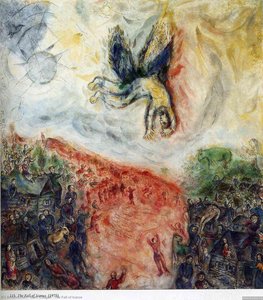
Marc Chagall’s “David,” painted in 1956, isn't merely a depiction of biblical grandeur; it’s an embodiment of Chagall’s lifelong preoccupation with dreams and recollections—a visual distillation of Vitebsk itself. The painting captures a solitary blue bird perched atop a branch laden with verdant leaves, its gaze directed towards the viewer, establishing an immediate connection between the natural world and the contemplative spirit.
Chagall's artistic approach aligns powerfully with the tenets of naive art, or primitivism. Rejecting academic conventions and striving for an unfiltered expression of emotion, he eschewed meticulous realism in favor of a stylized visual language characterized by flattened perspectives and simplified forms. The vibrant color palette—dominantly blues and greens—is applied with loose, expressive brushstrokes that convey movement and spontaneity. These techniques prioritize feeling over precise representation, mirroring the artist’s own internal landscape.
“David” is inextricably linked to Chagall’s formative years in Vitebsk, Belarus—a town steeped in the traditions of both Russian Orthodox Christianity and Hasidic Judaism. This duality profoundly shaped his artistic vision, informing his recurring motifs of flying figures, representing aspiration and transcendence, alongside depictions of animals imbued with spiritual significance. The artist's engagement with Jewish folklore reflects a desire to preserve cultural memory amidst the upheavals of the Soviet era.
The central figure—the blue bird—serves as a potent symbol of hope and spiritual renewal. Its posture suggests contemplation and observation, inviting the viewer to share in Chagall’s meditative gaze. The branch and leaves represent stability and connection to nature, anchoring the bird's symbolic journey within a familiar earthly realm. These elements coalesce into a harmonious composition that speaks to themes of innocence, faith, and the enduring power of imagination.
"David" encapsulates the essence of Chagall's artistic philosophy—a commitment to conveying profound emotional truths through a deceptively simple visual language. The painting exudes a dreamlike atmosphere, transporting the viewer into Chagall’s inner world where logic yields to intuition and memory reigns supreme. Ultimately, it stands as a testament to his ability to distill complex spiritual ideas into evocative imagery, securing its place among the most cherished works of 20th-century art.
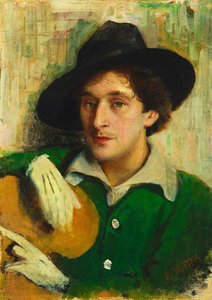
1887 - 1985 , Belarusi

აღმოაჩინეთ მარკ შაგალის 25 გამორჩეული შედევრი! ფერების პოეზია, სიყვარულის თემები და ისტორიული მნიშვნელობა. შეიძინეთ უმაღლესი ხარისხის ტილოები BuyPopArt.com-ზე და შექმნით თქვენი ოცნების ინტერიერი.

Immerse yourself in the captivating world of slate blue! Explore 10 iconic paintings by Monet, Van Gogh & Renoir. Discover their stories, techniques & find museum-quality art reproductions for your home at .

გაიცანით კაცუსიკა ჰოკუსაის 25 შედევრი! იაპონური ხელოვნების გენიალური ნაწარმოებები, უქიო-ე სტილი და ფუჯის მთის გამოსახულებები. შეიძინეთ ხატვის რეკონსტრუქციები BuyPopArt.com-ზე და შექმნით თქვენი სახლისთვის განსაკუთრებული ინტერიერი.
Journey through 10 breathtaking landscape paintings by Monet, Van Gogh & more! Explore iconic artworks, artistic techniques & find inspiration for your home decor. Museum-quality reproductions at BuyPopArt.com. Discover all masterpieces on BuyPopArt.com

აღმოფრთოვანდით რომანტიზმის ეპოქის 10 საუკეთესო ლანშაფტური შედევრით! ტერნერი, კორტო და სხვა მხატვრების ნაწარმოებები. იხილეთ მათი ისტორია და აღმოგეყვინებათ ხელოვნების márgali. შეიძინეთ მაღალი ხარისბის რესტავრაციული ასლები BuyPopArt.com-ზე!


ყოველთვის პირველი იყავით უახლესი ხელოვნების სიახლეების, ექსკლუზიური შეთავაზებებისა და დეკორაციის იდეების შესახებ ინფორმირებული.
გვიამარტეთ თქვენი პროექტის შესახებ და ჩვენი ხელოვნების ექსპერტები მოგაწვდით 3 პერსონალიზებულ რეკომენდაციას.
დაგვიძlinეთ სამი ვარიანტის შერჩევა სპეციალურად თქვენთვის – უფასოდ!


 წინასწარი ნახვა
 გაგზავნა
 გაზიარება
 დეტალები

 ჩამოტვირთვა
 მსგავსები
 რენტგენოგრაფიული კვლევა
 სლაიდშოუ
 გადასართად დაწვრილებით ნახეთ







 მინის ჩარჩოს არჩევანი ხელმისაწვდომია მხოლოდ 110 სმ-ზე ნაკლები ზომისთვის