Acrylic On CanvasWallArtSurrealist Art
 1960Modern
 32.0 x 24.0 cm
ტილოზე შესრულებული ფერწერიანი ზეთប្រდათი, თქვენთვის სასურველი ზომისა და ჩარჩოსთვის, ჩვენი ხელოვანების მიერ შეკვეთის საფუძველზე დამზადებული. ( შეიძინეთ პრინტი შეიძინეთ გამოსახულება)





























აირჩიეთ ჩვენს მიერ წინასწარ განსაზღვრული ზომებიდან, რომლებიც ნაწარმოების ორიგინალურ პროპორციებს შეესაბამება.

თქვენ შეგიძლიათ მიუთითოთ თქვენთვის სასურველი ზომები კონკრეტული ჩარჩოს ან სივრცის შესაბამისად. თუ თქვენ მიერ არჩეული ზომა არ შეესაბამება ორიგინალი გამოსახულების პროპორციებს, ჩვენ ან შევაჭრებთ ნაწარმოებს, ან ტილოზე დავამატებთ ხელით მოხატულ ელემენტებს. წარმოების დაწყებამდე, დამტკიცებისთვის გამოგეგზავნებათ ციფრული მაკეტი.
გთხოვთ, გაითვალისწინოთ, რომ ეკრანზე ნაჩვენები წინასწარი შეხედულება არ ასახავს რეალურ შეჭრას ან გაფართოებას. საბოლოო კომპოზიციას ზუსტად მხოლოდ მაკეტი წარმოაჩენს.
მიუხედავად იმისა, რომ შესაძლებელია ინდივიდუალური ზომების შერჩევა, ორიგინალური პროპორციების შენარჩუნებისათვის გირჩევთ, გამოიყენოთ წინასწარ განსაზღვრული სიის ზომები.
მიწოდება მსოფლიო მასშტაბით -ში 3/4 კვირაში, სტანდარტული 5 კვირის ნაცვლად. (13 აგვისტო). ხარისხზე კომპრომისის გაკეთება არ მოხდება.


The Circus
რეკლამაციის ზომა
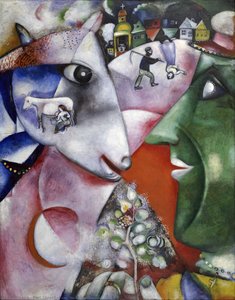
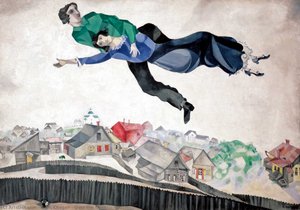
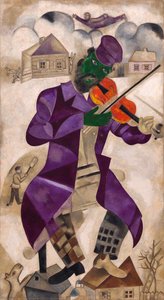
Marc Chagall's "The Circus," created in 1960, transcends mere representation; it embodies the very spirit of Naïve Art (Primitivism), transporting viewers into a realm where logic yields to imagination and memory dances with fantasy. Measuring 32 x 24 cm, this lithograph is more than just an image—it’s a portal to Chagall's deeply personal vision of childhood recollections and Jewish tradition.
Chagall’s stylistic approach aligns perfectly with the tenets of Naïve Art, a movement characterized by artists devoid of formal artistic training who nevertheless produce strikingly original works. Unlike academic painting, which strives for meticulous realism, Chagall deliberately eschews precision, favoring exaggerated proportions and flattened perspectives—techniques that heighten emotional impact and prioritize expressive color palettes. The stark black and white rendering of the central figure is juxtaposed with bursts of vibrant yellow, creating a dynamic tension that underscores the artwork’s dreamlike quality.
The composition itself narrates a story—a tale of wonder and movement. At its core stands a dancer, rendered in bold black and white, whose upward gaze embodies grace and aspiration. Surrounding him are symbolic elements that enrich the narrative: a clown figure on the right, representing humor and absurdity; and a horse’s head emerging from the left, symbolizing fertility and primal instinct—references to Chagall's formative years spent in Vitebsk, where he witnessed firsthand the confluence of Orthodox faith and Jewish culture.
Dominating the canvas is a pervasive yellow hue, not merely decorative but profoundly emotive. Yellow represents joy, optimism, and enlightenment—themes central to Chagall’s artistic worldview. It illuminates the figures and landscape alike, fostering an atmosphere of enchantment and inviting contemplation. The artist's deliberate use of color serves as a conduit for conveying feelings rather than documenting reality.
Born Moishe Shagal in 1887 in Liovana, Belarus, Chagall’s artistic journey coincided with the burgeoning modernist movement. Yet, he steadfastly championed Naïve Art (Primitivism), rejecting academic conventions and prioritizing intuitive expression. This decision reflects a broader trend within art history—a yearning for authenticity and an appreciation of unfiltered emotion—and secures “The Circus”'s place as a cornerstone of Chagall’s legacy.
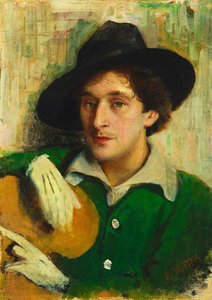
1887 - 1985 , Belarusi

Ditch the boring decor. Discover why Naive Art's raw, bold, and unfiltered aesthetic is the ultimate trend for modern urban spaces. Learn how to use vibrant colors and unstudied sincerity to create a high-impact, authentic vibe in your home or studio.


ყოველთვის პირველი იყავით უახლესი ხელოვნების სიახლეების, ექსკლუზიური შეთავაზებებისა და დეკორაციის იდეების შესახებ ინფორმირებული.
გვიამარტეთ თქვენი პროექტის შესახებ და ჩვენი ხელოვნების ექსპერტები მოგაწვდით 3 პერსონალიზებულ რეკომენდაციას.
დაგვიძlinეთ სამი ვარიანტის შერჩევა სპეციალურად თქვენთვის – უფასოდ!


 წინასწარი ნახვა
 გაგზავნა
 გაზიარება
 დეტალები

 ჩამოტვირთვა
 მსგავსები
 რენტგენოგრაფიული კვლევა
 სლაიდშოუ
 გადასართად დაწვრილებით ნახეთ







 მინის ჩარჩოს არჩევანი ხელმისაწვდომია მხოლოდ 110 სმ-ზე ნაკლები ზომისთვის