Preview
 სურათის შეძენა გამოსახულების შეძენა
 გაგზავნა
 დეტალები
 დამატება ფავორიტებში
 ჩამოტვირთვა
 მსგავსები
 რენტგენოგრაფიული კვლევა
 სლაიდშოუ
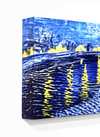
მუზეუმის დონის ჟიკლე ან ტილოზე ბეჭდვა სწრაფი წარმოებისა და დასრულების მოქნილი ვარიანტებით.
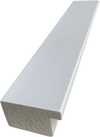

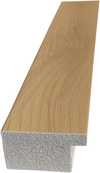
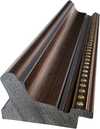
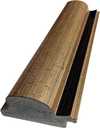
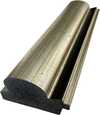
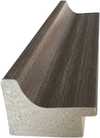
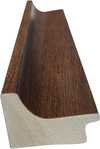
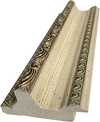

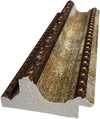
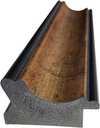
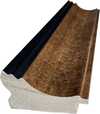
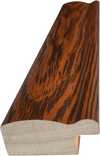
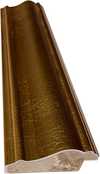
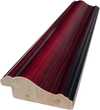
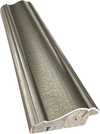

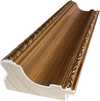
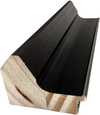
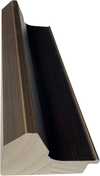
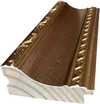
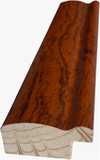
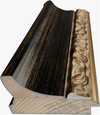

აირჩიეთ ჩვენს მიერ წინასწარ განსაზღვრული ზომებიდან, რომლებიც ნაწარმოების ორიგინალურ პროპორციებს შეესაბამება.

თქვენ შეგიძლიათ მიუთითოთ საკუთარი ზომები კონკრეტული ჩარჩოსთვის ან სივრცისთვის მოსარგებლებლად. თუ თქვენ მიერ არჩეული ზომა არ შეესაბამება ორიგინალი გამოსახულების პროპორციებს, ჩვენ ან დავჭრით ნამუშევარს, ან გავაფართოვებთ გამოსახულებას სარკული ან ერთფეროვანი კიდეებით. წარმოების დაწყებამდე თქვენს დასამტკიცებლად გამოგეგზავნებათ ციფრული მაკეტი.
გთხოვთ, გაითვალისწინოთ, რომ ეკრანზე ნაჩვენები წინასწარი ნახვა არ ასახავს რეალურ ჭრას ან გაფართოებას. მხოლოდ მაკეტზე იქნება ზუსტად წარმოდგენილი საბოლოო კომპოზიცია.
მიუხედავად იმისა, რომ ინდივიდუალური ზომები ხელმისაწვდომია, ორიგინალური პროპორციების შესანარჩუნებლად გირჩევთ, აირჩიოთ ზომა წინასწარ განსაზღვრული სიისგან.
მიწოდება მთელ მსოფლიოში () 2 კვირაში, სტანდარტული 4/5 კვირის ნაცვლად. (24 ივლისი)


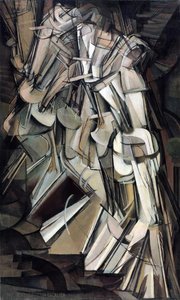
After love
რეკლამაციის ზომა
Marcel Duchamp’s “After love” presents a deceptively simple visual statement—a pair of figures embracing—yet it encapsulates profound ideas about intimacy, vulnerability, and the very essence of artistic expression. Executed in 1968, this drawing exemplifies Duchamp's signature minimalist style, prioritizing essential forms conveyed through delicate linework on textured paper.
Historical Context: Created in the twilight years of Duchamp’s career, “After love” reflects the artist's ongoing preoccupation with conceptual art—a movement that questioned traditional artistic conventions by elevating ideas over visual representation. It stands as a testament to Duchamp’s unwavering belief that art could transcend mere aesthetic pleasure and engage viewers on an intellectual level.
Symbolic Significance: The artwork speaks volumes about human connection and emotional vulnerability. Its minimalist style—a hallmark of Duchamp's oeuvre—amplifies the feeling of quiet intimacy, inviting contemplation on themes of affection and tenderness. Like many of his works, “After love” eschews explicit narrative, allowing viewers to interpret its symbolism through their own experiences.
Style & Technique: Duchamp’s approach aligns perfectly with the principles of Conceptual Art—a movement he profoundly influenced. The drawing technique prioritizes capturing fundamental forms with effortless lines, mirroring his fascination with geometric abstraction and challenging notions of artistic skill. It's a deliberate rejection of representational art in favor of exploring conceptual ideas.
Materials Used: Crafted from handmade or textured paper and black ink, “After love” exemplifies Duchamp’s dedication to utilizing readily available materials—a characteristic that underscores the artwork’s simplicity and its grounding in tangible reality. This understated materiality contributes to the piece's contemplative mood.

1887 - 1968 , საფრანგო

Explore the revolutionary art of Marcel Duchamp! Discover how his Dadaist readymades challenged artistic conventions & redefined modern art. A deep dive into 'Fountain', conceptual shifts, and his lasting impact.

Explore the revolutionary Dada art movement! Discover its origins, key artists like Duchamp & Arp, and lasting impact on modern art. A deep dive into anti-art & challenging conventions.

Explore the power of conceptual custom art. Discover how hand-painted oil paintings embody personal & political narratives. Expert guidance for collectors seeking meaningful, impactful artwork.

Explore the profound impact of Conceptual Art with BuyPopArt. Discover its history, key artists like Duchamp & Kosuth, and learn how to collect this influential movement. Expert insights for discerning art collectors.

Explore the revolutionary Dada art movement! Discover its origins in WWI, key artists like Duchamp & Höch, core principles, and lasting impact on modern and contemporary art. A comprehensive guide for enthusiasts.


ყოველთვის პირველი იყავით უახლესი ხელოვნების სიახლეების, ექსკლუზიური შეთავაზებებისა და დეკორაციის იდეების შესახებ ინფორმირებული.
გვიამარტეთ თქვენი პროექტის შესახებ და ჩვენი ხელოვნების ექსპერტები მოგაწვდით 3 პერსონალიზებულ რეკომენდაციას.
დაგვიძlinეთ სამი ვარიანტის შერჩევა სპეციალურად თქვენთვის – უფასოდ!


 გაზიარება


 გადასართად დაწვრილებით ნახეთ



 მინის ჩარჩოს არჩევანი ხელმისაწვდომია მხოლოდ 110 სმ-ზე ნაკლები ზომისთვის