Acrylic On CanvasWallArtEarly Netherlandish Painting
 1485
1485 191.0 x 84.0 cm
 შტატსგალერი
ტილოზე შესრულებული ფერწერიანი ზეთប្រდათი, თქვენთვის სასურველი ზომისა და ჩარჩოსთვის, ჩვენი ხელოვანების მიერ შეკვეთის საფუძველზე დამზადებული. ( შეიძინეთ პრინტი შეიძინეთ გამოსახულება)





























აირჩიეთ ჩვენს მიერ წინასწარ განსაზღვრული ზომებიდან, რომლებიც ნაწარმოების ორიგინალურ პროპორციებს შეესაბამება.

თქვენ შეგიძლიათ მიუთითოთ თქვენთვის სასურველი ზომები კონკრეტული ჩარჩოს ან სივრცის შესაბამისად. თუ თქვენ მიერ არჩეული ზომა არ შეესაბამება ორიგინალი გამოსახულების პროპორციებს, ჩვენ ან შევაჭრებთ ნაწარმოებს, ან ტილოზე დავამატებთ ხელით მოხატულ ელემენტებს. წარმოების დაწყებამდე, დამტკიცებისთვის გამოგეგზავნებათ ციფრული მაკეტი.
გთხოვთ, გაითვალისწინოთ, რომ ეკრანზე ნაჩვენები წინასწარი შეხედულება არ ასახავს რეალურ შეჭრას ან გაფართოებას. საბოლოო კომპოზიციას ზუსტად მხოლოდ მაკეტი წარმოაჩენს.
მიუხედავად იმისა, რომ შესაძლებელია ინდივიდუალური ზომების შერჩევა, ორიგინალური პროპორციების შენარჩუნებისათვის გირჩევთ, გამოიყენოთ წინასწარ განსაზღვრული სიის ზომები.
მიწოდება მსოფლიო მასშტაბით -ში 3/4 კვირაში, სტანდარტული 5 კვირის ნაცვლად. (15 აგვისტო). ხარისხზე კომპრომისის გაკეთება არ მოხდება.


Bathsheba
რეკლამაციის ზომა
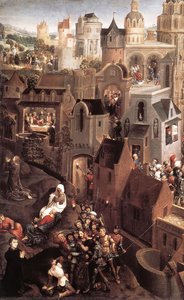
Hans Memling’s “Bathsheba,” completed around 1485 in Bruges, Belgium, stands as a cornerstone of Early Netherlandish painting—a movement renowned for its meticulous realism, profound psychological insight, and unwavering devotion to religious iconography. More than just a depiction of a biblical scene, the artwork embodies the humanist spirit burgeoning during the Renaissance, skillfully blending observation of human anatomy with symbolic representation to convey a complex tapestry of emotion.
Subject Matter & Narrative Context: The painting portrays Bathsheba, wife of King David, bathing in a luxurious bedchamber. This intimate tableau captures a moment of vulnerability and grace—Bathsheba kneels before her husband, accepting a robe from a maidservant. The narrative draws upon the biblical tale recounted in Psalm 27:13-14, where David confesses his sins to Bathsheba and seeks forgiveness for his transgression against Uriah the Hittite.
Style & Technique: Memling’s masterful execution exemplifies the stylistic hallmarks of Bruges painting. Employing oil paint on panel—a technique pioneered by Jan van Eyck—Memling achieved unparalleled luminosity and textural detail. The artist meticulously rendered skin tones, drapery folds, and subtle nuances of light and shadow, creating an illusionistic depth that transcends mere representation. His meticulous attention to anatomical accuracy reflects the influence of humanist scholarship prevalent at the time.
Symbolism & Emotional Impact: Beyond its narrative content, “Bathsheba” is laden with symbolic significance. The bedchamber itself represents domestic tranquility and marital harmony—a deliberate contrast to David’s moral failings. The maidservant symbolizes purity and humility, offering Bathsheba comfort and support as she seeks divine grace. Memling's use of chiaroscuro – the dramatic interplay between light and dark – amplifies the emotional resonance of the scene, conveying a palpable sense of tenderness and spiritual contemplation.
Influence & Legacy: “Bathsheba”’s impact on subsequent artists is undeniable. Its meticulous realism and expressive handling of emotion served as inspiration for generations of painters striving to capture the human condition with unwavering fidelity. The artwork continues to captivate viewers today, prompting reflection on themes of repentance, forgiveness, and the enduring power of faith—a testament to Memling's genius and the enduring beauty of Early Netherlandish art.
Additional Resources: For a deeper understanding of Bathsheba’s artistic context and Memling’s oeuvre, we encourage you to explore:

გერმანია

Explore the breathtaking precision of Early Netherlandish painting. From Jan van Eyck’s luminous oil glazes to hidden Renaissance symbolism, discover how Northern masters mastered detail and light in this expert guide for art enthusiasts.


ყოველთვის პირველი იყავით უახლესი ხელოვნების სიახლეების, ექსკლუზიური შეთავაზებებისა და დეკორაციის იდეების შესახებ ინფორმირებული.
გვიამარტეთ თქვენი პროექტის შესახებ და ჩვენი ხელოვნების ექსპერტები მოგაწვდით 3 პერსონალიზებულ რეკომენდაციას.
დაგვიძlinეთ სამი ვარიანტის შერჩევა სპეციალურად თქვენთვის – უფასოდ!


 წინასწარი ნახვა
 გაგზავნა
 გაზიარება
 დეტალები

 ჩამოტვირთვა
 მსგავსები
 რენტგენოგრაფიული კვლევა
 სლაიდშოუ
 გადასართად დაწვრილებით ნახეთ







 მინის ჩარჩოს არჩევანი ხელმისაწვდომია მხოლოდ 110 სმ-ზე ნაკლები ზომისთვის