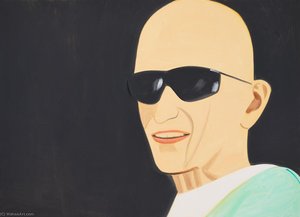
ტილოზე შესრულებული ფერწერიანი ზეთប្រდათი, თქვენთვის სასურველი ზომისა და ჩარჩოსთვის, ჩვენი ხელოვანების მიერ შეკვეთის საფუძველზე დამზადებული. ( შეიძინეთ პრინტი შეიძინეთ გამოსახულება)
აირჩიეთ ჩვენს მიერ წინასწარ განსაზღვრული ზომებიდან, რომლებიც ნაწარმოების ორიგინალურ პროპორციებს შეესაბამება.

თქვენ შეგიძლიათ მიუთითოთ თქვენთვის სასურველი ზომები კონკრეტული ჩარჩოს ან სივრცის შესაბამისად. თუ თქვენ მიერ არჩეული ზომა არ შეესაბამება ორიგინალი გამოსახულების პროპორციებს, ჩვენ ან შევაჭრებთ ნაწარმოებს, ან ტილოზე დავამატებთ ხელით მოხატულ ელემენტებს. წარმოების დაწყებამდე, დამტკიცებისთვის გამოგეგზავნებათ ციფრული მაკეტი.
გთხოვთ, გაითვალისწინოთ, რომ ეკრანზე ნაჩვენები წინასწარი შეხედულება არ ასახავს რეალურ შეჭრას ან გაფართოებას. საბოლოო კომპოზიციას ზუსტად მხოლოდ მაკეტი წარმოაჩენს.
მიუხედავად იმისა, რომ შესაძლებელია ინდივიდუალური ზომების შერჩევა, ორიგინალური პროპორციების შენარჩუნებისათვის გირჩევთ, გამოიყენოთ წინასწარ განსაზღვრული სიის ზომები.
მიწოდება მსოფლიო მასშტაბით -ში 3/4 კვირაში, სტანდარტული 5 კვირის ნაცვლად. (18 აგვისტო). ხარისხზე კომპრომისის გაკეთება არ მოხდება.


Metamorphose
რეკლამაციის ზომა
Born in the historic heart of Damascus, Syria, in 1979, Mohammad Omran has emerged as a profound voice in contemporary art, weaving a narrative that bridges the ancient weight of Middle Eastern history with the visceral anxieties of the modern era. His journey began within the hallowed halls of the Faculty of Fine Arts at Damascus University, where he first mastered the tactile language of sculpture. This early foundation in three-dimensional form would later become the cornerstone of his aesthetic, allowing him to manipulate mass and void to express the complexities of the human condition. As his path led him from the Levant to the academic rigor of France, Omran’s work underwent a transformative evolution, shaped by deep scholarly inquiry and the turbulent political landscapes of his homeland.
The transition to Europe marked a pivotal chapter in his creative odyssey. Pursuing advanced studies at the University of Lyon, Omran earned both a Master’s degree and a PhD in art history. This academic immersion did not merely supplement his technical skill; it fundamentally altered his artistic lens. By studying the historical trajectories of human representation, he gained the tools to critique the present through the echoes of the past. His relocation to Paris in 2007 provided a cosmopolitan stage where his sculptural roots could merge with new explorations in painting and video art, creating a multidisciplinary practice that is as intellectually dense as it is visually arresting.
To encounter an Omran piece is to confront the raw, unvarnished reality of existence. Moving far beyond the idealized proportions of classical models, his work delves into the shadows of humanity, focusing on the beauty found within flaws, distortions, and imperfections. He often utilizes the motif of the tortured or exhausted human body to serve as a metaphor for broader social and political struggles. His sculptures frequently feature distorted faces and slumped figures that evoke a sense of profound empathy, yet they are simultaneously laced with a sharp, cynical edge that can provoke disgust or even dark humor.
The symbolism in his work is deeply intertwined with the socio-political climate of Syria and the global repercussions of violence. Through his use of animal metaphors and the depiction of physically burdened figures, Omran critiques the mechanisms of tyranny, the abuse of power, and the pervasive nature of systemic violence. His art does not merely observe suffering; it embodies it, using the very texture of the medium—whether the ruggedness of a bronze bust or the delicate, weary lines of a drawing—to mirror the resilience and anguish of those caught in the crossfire of history.
The significance of Mohammad Omran’s contribution to contemporary art lies in his ability to translate localized trauma into a universal language of human endurance. His reach extends far beyond the borders of Syria and France, with his works finding homes in some of the world's most prestigious institutions. His artistic impact is reflected in several key areas:
Ultimately, Mohammad Omran stands as a storyteller of the modern age. His work serves as a vital bridge between cultures, using the language of deformity and strength to illuminate the shared stories that connect us all. In an era defined by fragmentation, his art seeks a profound, albeit painful, interconnectedness, reminding the viewer that even in our most broken states, the human element remains indomitable.

1979 - , Syrian Arab Republic


ყოველთვის პირველი იყავით უახლესი ხელოვნების სიახლეების, ექსკლუზიური შეთავაზებებისა და დეკორაციის იდეების შესახებ ინფორმირებული.
გვიამარტეთ თქვენი პროექტის შესახებ და ჩვენი ხელოვნების ექსპერტები მოგაწვდით 3 პერსონალიზებულ რეკომენდაციას.
დაგვიძlinეთ სამი ვარიანტის შერჩევა სპეციალურად თქვენთვის – უფასოდ!


 წინასწარი ნახვა
 გაგზავნა
 გაზიარება
 დეტალები

 ჩამოტვირთვა
 მსგავსები
 რენტგენოგრაფიული კვლევა
 სლაიდშოუ

 გადასართად დაწვრილებით ნახეთ




































 მინის ჩარჩოს არჩევანი ხელმისაწვდომია მხოლოდ 110 სმ-ზე ნაკლები ზომისთვის