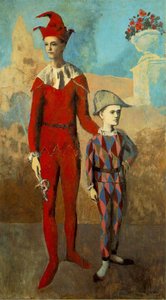
მუზეუმის დონის ჟიკლე ან ტილოზე ბეჭდვა სწრაფი წარმოებისა და დასრულების მოქნილი ვარიანტებით. ( გადართვა ხელით შესრულებულ ნახატზე გადართვა სურათზე)





























აირჩიეთ ჩვენს მიერ წინასწარ განსაზღვრული ზომებიდან, რომლებიც ნაწარმოების ორიგინალურ პროპორციებს შეესაბამება.

თქვენ შეგიძლიათ მიუთითოთ საკუთარი ზომები კონკრეტული ჩარჩოსთვის ან სივრცისთვის მოსარგებლებლად. თუ თქვენ მიერ არჩეული ზომა არ შეესაბამება ორიგინალი გამოსახულების პროპორციებს, ჩვენ ან დავჭრით ნამუშევარს, ან გავაფართოვებთ გამოსახულებას სარკული ან ერთფეროვანი კიდეებით. წარმოების დაწყებამდე თქვენს დასამტკიცებლად გამოგეგზავნებათ ციფრული მაკეტი.
გთხოვთ, გაითვალისწინოთ, რომ ეკრანზე ნაჩვენები წინასწარი ნახვა არ ასახავს რეალურ ჭრას ან გაფართოებას. მხოლოდ მაკეტზე იქნება ზუსტად წარმოდგენილი საბოლოო კომპოზიცია.
მიუხედავად იმისა, რომ ინდივიდუალური ზომები ხელმისაწვდომია, ორიგინალური პროპორციების შესანარჩუნებლად გირჩევთ, აირჩიოთ ზომა წინასწარ განსაზღვრული სიისგან.
მიწოდება მთელ მსოფლიოში () 2 კვირაში, სტანდარტული 4/5 კვირის ნაცვლად. (10 აგვისტო)


Spring
რეკლამაციის ზომა
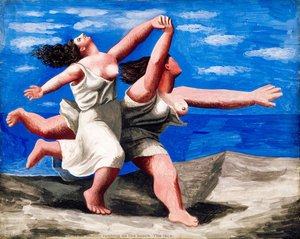
Pablo Picasso's "Spring," painted in 1956, isn’t merely a depiction of a pastoral scene; it’s a profoundly layered meditation on loss, memory, and the enduring power of human connection. The painting immediately draws the eye with its vibrant palette – a riot of yellows, blues, and greens that seem to pulse with an almost feverish energy. Yet, beneath this initial exuberance lies a palpable sense of melancholy, a quiet sorrow woven into every brushstroke. At the heart of the composition are two figures: a man seated on a simple chair, his hand gently resting upon the horns of a goat, and a woman standing beside him, her gaze directed upwards with an expression that hints at both longing and acceptance.
Picasso’s stylistic choices firmly situate “Spring” within the context of his mature Cubist period. While retaining elements of his earlier explorations with fractured forms and multiple perspectives, here he employs a more fluid and expressive approach. The figures are not sharply delineated but rather emerge from a hazy atmosphere, their bodies subtly distorted and imbued with an almost dreamlike quality. This deliberate ambiguity invites the viewer to actively participate in constructing meaning, prompting us to consider the unspoken narratives that lie beneath the surface of the scene. The use of color is particularly noteworthy; it’s not applied realistically but rather strategically, creating a sense of depth and movement while simultaneously reinforcing the painting's emotional resonance.
Each element within “Spring” carries significant symbolic weight. The goat, often interpreted as representing fertility and abundance, is here presented in a surprisingly tender manner – its horns cradled by the man’s hand. This gesture suggests a protective embrace, a quiet acknowledgment of life's cyclical nature even amidst hardship. The chair, simple and unassuming, acts as a grounding element, anchoring the scene and providing a space for contemplation. The woman’s upward gaze is perhaps the most compelling aspect of the composition; she seems to be searching for something beyond the immediate present, possibly a lost loved one or a distant memory. The presence of two chairs – one occupied, one standing empty – subtly underscores themes of solitude and separation.
Interestingly, Picasso himself offered little direct explanation for the painting’s meaning, preferring to let it speak for itself. However, considering his personal life at the time—he was grappling with the recent loss of his mistress, Dora Maar, and navigating a complex relationship with Françoise Gilot—it's reasonable to interpret “Spring” as an exploration of grief, resilience, and the enduring capacity for love in the face of adversity. The painting’s quiet intimacy suggests a desire to find solace in shared experience, even if that experience is tinged with sadness.
“Spring” stands as a testament to Picasso's extraordinary ability to distill complex emotions into visual form. It’s not a painting that shouts for attention; rather, it invites quiet contemplation and rewards repeated viewing with new insights. The work exemplifies his mastery of color, composition, and symbolism—elements he honed throughout a remarkably prolific career.
Furthermore, the painting's enduring appeal lies in its universality. The themes of loss, longing, and connection resonate deeply with viewers across generations, making “Spring” not just a masterpiece of 20th-century art but also a poignant reflection on the human condition. Reproductions of this iconic work capture much of the original’s emotional depth, offering an accessible way to experience Picasso's profound artistic vision within one’s own space.
Originally executed in oil on canvas, “Spring” showcases Picasso’s characteristic layering technique—thin washes of color applied over a textured ground. The brushwork is loose and expressive, contributing to the painting's overall sense of movement and vitality. When considering reproductions, it’s crucial to select high-quality prints that accurately capture the nuances of color and texture. Archival inks and canvas materials are recommended to ensure long-lasting vibrancy and prevent fading.
The scale of the original is significant (3.49 meters x 7.76 meters), but reproductions in various sizes offer flexibility for interior design applications. “Spring”’s evocative imagery would complement a range of styles, from modern minimalist spaces to more traditionally decorated rooms—its inherent emotional depth lending an air of sophistication and quiet contemplation to any setting.
პაოლო რუიზ ი პიკასო, სახელწოდება რომელიც სინონიმად არის ქცეული მხატვრული რევოლუციისა, დაიბადა ესპანეთის მალაგაში, 1881 წლის 25 ოქტომბერს. როგორც ლეგენდა მოგვიყვებოდა, მისი პირველი სიტყვები იყო “piz, piz”, რაც სათითაო ძილის გამეორება იყო. ეს ადრეული ნათესავი კითხულობდა მის მამას, ხოსე რუიზ ი ბლასკოს, მხატვრსა და ხელოვნების მასწავლებელს, რომელმაც პაბლო უწოდა საფუძველიანი ტრენინგი. თუმცა, მოსწავლე მალევე აჯობა მასწავლებელს, გამოაჩნდა გამორჩეული ნიჭი ბუნებრივი აღქმის მიმართ, რაც მოგვიანებით მისი გენიოსის წინასწარი ნიშანი იყო. ოჯახის შემდგომი გადასვლები – ჯერ ა კორუñამდე, შემდეგ ბარსელონაში – დასრულდა პირადი ტრაგედით, განსაკუთრებით მისი და ლოლის დაკარგვით, გამოცდილებებმა რომელმაც ფარულად შეიტანა მისი შემდგომი ნამუშევრების თემებში მელანქოლია და სიკვდილი. ფორმალური სწავლის დროს ბარსელონის სამხატვრო აკადემიასა და მადრიდის სან ფერნანდოს სამეფო აკადემიის მოკლე პერიოდში, პიკასო ეწინააღმდეგებოდა მკაცრ აკადემიურ შეზღუდვებს, preferring instead to immerse himself in the works of masters like Velázquez and Goya, forging his own path toward artistic innovation.
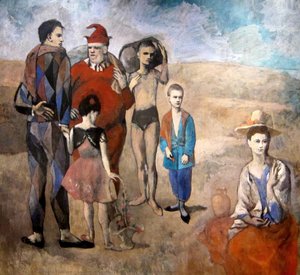
მეოცე საუკუნის დასაწყლში პიკასოს შემოქმედებაში გამოჩნდა ორი განსხვავებული პერიოდი: ლურჯი პერიოდი (დაახლოებით 1901-1904) და ვარდოვანი პერიოდი (1904-1906). ლურჯი პერიოდი, რომელიც დაიბადა პირადი ტრაგედიიდან და სოციალური ტანჯვისადმი მწვავე აღქმისგან, ხასიათდება ტილოებით, რომლებიც სავსეა ღიმღმინით ლურჯი და ლურჯ-녹색 ფერებით. ამ ნამუშევრებში გვხვდება გამდიდრებული ფიგურები – ბოროტები, ყოველთაგანი, პროსტიტუტები – რომლებიც აღქმულია თვალწრალა თანაგრძნობით, რაც საუბრობს იზოლაციისა და იმედგვრევის თემებზე. La Vie (1903) და The Old Guitarist (1903-1904) ამ გულმომტკინებულ ფაზას აღწერენ. პირადი ცხოვრების შეცვლა, რომელიც თან ახლდა პარიზში გადასვლით, გამოაცხადა ვარდოვანი პერიოდი. 팔레ტი მნიშვნელოვნად შეიცვალა, მოიცავდა ვარდისფერს, ნარინჯისფერ და წითელს, რაც ასახავს უფრო ოპტიმისტურ განწყობას. ეს პერიოდი ხასიათდება ცირკის შემსრულებლებისკენ ინტერესით – ჰარლეკინები, აკრობატები და საოჯახო ჯგუფები – ფიგურები რომლებიც წარმოადგენდნენ როგორც სუსტობას ასევე გამძლეობას. Family of Saltimbanques (1905) მშვენივრად ასახავს ამ გარდამოსვლისას, რაც მიანიშნებს მომავალში არსებულ სტილისტურ გამოკვლევებზე.
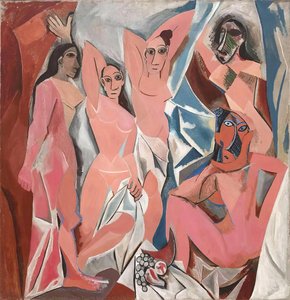
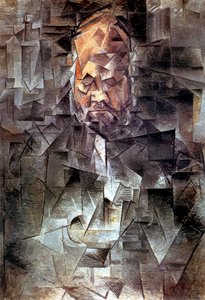
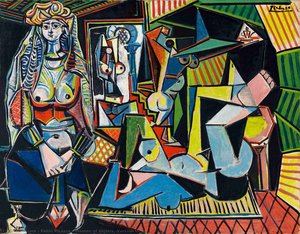
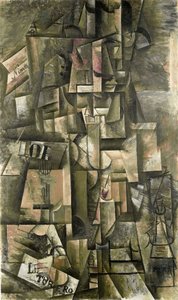
1907 წელი იყო გადამწყვეტი მომენტი ხელოვნების ისტორიაში Les Demoiselles d'Avignon-ის შექმნით. იბერიული ქანდაკებისა და აფრიკის ნიღბების ზემოქმედებით, ეს გამორჩეული ტილო გატ碎ა ტრადიციული პერსპექტივის და აღქმის განწყობა. ეს იყო რადიკალური გადახვევა, საუკუნეობით დამკვირვებული კონვენციების მიზნით, რომელიც გზა გაიხსნა კუბიზმისთვის. გიორგ ბრაკთან მჭიდრო თანამშემས་ებლობით, პიკასომ თანაზინდოვადა ეს რევოლუციური მოძრაობა, რომელიც ძირითადად შეცვალა როგორ აღქმავს და წარმოადგენს ადამიანებს რეალობას. ანალიტიკური კუბიზმი (1909-1912) მოიცავდა ობიექტების ფრაგმენტაციას გეომეტრიულ ფორმებად, რომელიც აღწერილია დამონებულ ფერებში. ეს განვითარდა სინთეტიკურ კუბიზმში (1912-1919), რომელმაც დამატებულიყო კოლაჟის ელემენტები – გაზეთის გადარეშები, ქსოვილის ნატეხები – დაამატა ტექსტურა და ახალი ვიზუალური სიძრწოლის στρώσεις. პიკასოს არ უნდა უბრალოდ წარმოედგინა სამყარო; მან სცადა მისი დე-კონსტრუქცია და რეკონსტრუქცია საკუთარი პირობების მიხედვით.
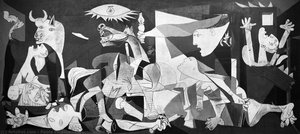
1920-იან წლებში პიკასო ხანმოკლეമായി გამოიკვლია ნეოკლასიციური სტილები, შექმნა მონუმენტალური ფიგურები, რომლებიც მოიცავდა კლასიკურ ფორმებს, ხოლო შენარჩუნებდა განსხვავებულ თანამედროვე გრძნობას. პარალელურად, მან ჩართო სწრაფად მზარდი სურრეალისტური მოძრაობაში, თუმცა არც თუ ისე მთლიანადaligned himself with its principles. მისი ნამუშევრები ამ პერიოდში შერწყმავდა ადრეულ სტილისტურ გავლენებს სურრეალისტურ იმიჯებთან და დეფორმირებულ პერსპექტივებთან, რაც აჩვენა მისი შეუდარებელი ექსპერიმენტებისადმი სწრაფვა. ესპანეთის občanská válka-ს ტრაგიკული შედეგები βαθιά επηρέασαν τον Πικάσο, που οδήγησε στη δημιουργία του Guernica (1937), μια ζωντανή και συναισθηματικά καταστροφική απάντηση στον βομβαρδισμό της Γουέρνικα. ეს მონუმენტალური ნამუშევარი გახდა ომის საშინელებების გამუდმებული სიმბოლო, რაც დაადასტურა პიკასოს როლი მხატვრად, მაგრამ ასევე ძლიერი ხმა მშვიდობისა და სოციალური δικαιοებისთვის. 1950-იან და 60-იან წლებში მან განაგრძო საზღვრების გადაკვრა, გამოიკვლია კერამიკა, ქანდაკება და გრავირება შეუდარებელი სიყურადღებით და უნარით. მის γάμος Jacqueline Roque-ს 1961 წელს მოუტანა ახალი განზომილება მის προσωπικό ცხოვრებაში και καλλιτεχνική έκφραση.
პაოლო პიკასო გარდაიცვალა 1973 წლის 8 აპრილს, მოუgins-ში, საფრანგეთში, დატოვა წარმოუდგენელი ნამუშევრების კორპუსი – რომელიც შეფასებულია 50,000-ზე მეტი ნაწილად –

1881 - 1973 , ესპანეთი

Explore 10 Cubist masterpieces by Picasso, Braque & more! Delve into the history of this revolutionary art movement. Find museum-quality reproductions and elevate your home decor with BuyPopArt. Discover all masterpieces on BuyPopArt.com

Explore the evolution of cityscape painting from Realism to contemporary art with BuyPopArt. Discover key artists & invest in timeless urban visions. Expert guidance, museum-quality reproductions.

აღმოფხვარე კუბიზმის 10 გამორჩეული შედევრი! პიკასო, ბრაკი და სხვა მოწინავე ხელოვანების ნამუშევრები. შეიგრძნობით რევოლუცია ხელოვნებაში. შეიძინეთ მაღალი ხარისბის რეპროდუქციები BuyPopArt.com-ზე!
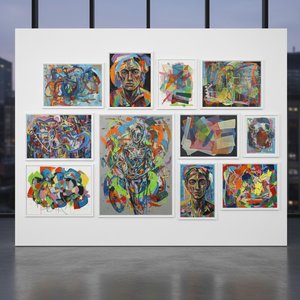
Explore 10 legendary acrylic paintings that revolutionized modern art! From Helen Frankenthaler's color fields to Richter’s abstract power, discover the stories behind these iconic masterpieces. Find museum-quality reproductions & elevate your home decor on BuyPopArt.com.

გაიცანით ჟორჟ ბრაკის 25 გამორჩეული შედევრი! კუბიზმის ისტორია, ფერწერის სტილი და ხელოვნების უნიკალური სამყარო BuyPopArt.com-ზე. ნახატების რეპროდუქციები თქვენი სახლისთვის - ექსკლუზიური დეკორი და ინტერიერის იდეები. აღმოაჩინეთ მთელი კოლექცია ონლაინ!


ყოველთვის პირველი იყავით უახლესი ხელოვნების სიახლეების, ექსკლუზიური შეთავაზებებისა და დეკორაციის იდეების შესახებ ინფორმირებული.
გვიამარტეთ თქვენი პროექტის შესახებ და ჩვენი ხელოვნების ექსპერტები მოგაწვდით 3 პერსონალიზებულ რეკომენდაციას.
დაგვიძlinეთ სამი ვარიანტის შერჩევა სპეციალურად თქვენთვის – უფასოდ!


 წინასწარი ნახვა
 გაგზავნა
 გაზიარება
 დეტალები

 ჩამოტვირთვა
 მსგავსები
 რენტგენოგრაფიული კვლევა
 სლაიდშოუ
 გადასართად დაწვრილებით ნახეთ







 მინის ჩარჩოს არჩევანი ხელმისაწვდომია მხოლოდ 110 სმ-ზე ნაკლები ზომისთვის