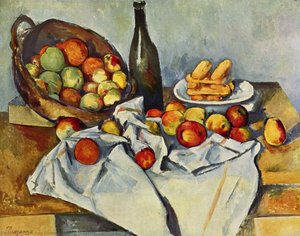
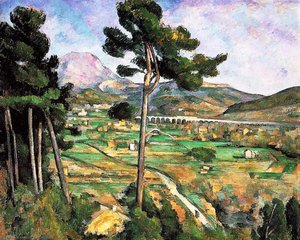
მუზეუმის დონის ჟიკლე ან ტილოზე ბეჭდვა სწრაფი წარმოებისა და დასრულების მოქნილი ვარიანტებით. ( გადართვა ხელით შესრულებულ ნახატზე გადართვა სურათზე)





























აირჩიეთ ჩვენს მიერ წინასწარ განსაზღვრული ზომებიდან, რომლებიც ნაწარმოების ორიგინალურ პროპორციებს შეესაბამება.

თქვენ შეგიძლიათ მიუთითოთ საკუთარი ზომები კონკრეტული ჩარჩოსთვის ან სივრცისთვის მოსარგებლებლად. თუ თქვენ მიერ არჩეული ზომა არ შეესაბამება ორიგინალი გამოსახულების პროპორციებს, ჩვენ ან დავჭრით ნამუშევარს, ან გავაფართოვებთ გამოსახულებას სარკული ან ერთფეროვანი კიდეებით. წარმოების დაწყებამდე თქვენს დასამტკიცებლად გამოგეგზავნებათ ციფრული მაკეტი.
გთხოვთ, გაითვალისწინოთ, რომ ეკრანზე ნაჩვენები წინასწარი ნახვა არ ასახავს რეალურ ჭრას ან გაფართოებას. მხოლოდ მაკეტზე იქნება ზუსტად წარმოდგენილი საბოლოო კომპოზიცია.
მიუხედავად იმისა, რომ ინდივიდუალური ზომები ხელმისაწვდომია, ორიგინალური პროპორციების შესანარჩუნებლად გირჩევთ, აირჩიოთ ზომა წინასწარ განსაზღვრული სიისგან.
მიწოდება მთელ მსოფლიოში () 2 კვირაში, სტანდარტული 4/5 კვირის ნაცვლად. (11 აგვისტო)


Bread and Eggs
რეკლამაციის ზომა
Paul Cézanne's “Bread and Eggs,” painted in 1865, isn’t merely a still life; it’s a profound exploration of form, color, and the very essence of perception. This unassuming scene – a loaf of bread, two oranges, a wine glass, a knife, and three eggs arranged on a simple table – belies a revolutionary approach to painting that would irrevocably alter the course of modern art. Born into a family with financial stability thanks to his father’s banking success, Cézanne was afforded the rare luxury of dedicating himself entirely to his artistic pursuits, a freedom that allowed him to meticulously dissect and rebuild reality onto canvas. This early work, painted during what is often referred to as his “dark period,” reveals a nascent desire to move beyond the fleeting impressions of Impressionism towards a more structured and enduring representation of the world.
Cézanne’s approach was radical for its time. He wasn't interested in capturing a momentary snapshot; instead, he sought to distill the underlying geometry and structure of his subjects. The painting exemplifies this with its deliberate flattening of space – the table, the objects upon it, all seem to exist on a single plane, devoid of traditional perspective. This isn’t an accident; Cézanne was actively rejecting the academic rules of linear perspective that had dominated Western art for centuries. Instead, he employed small, exploratory brushstrokes—a technique he famously described as “building up” his paintings like a sculptor—to create complex fields of color and texture. Notice how the loaf of bread isn’t rendered with smooth gradients but rather with distinct planes of ochre, brown, and yellow, each meticulously applied to suggest volume and form. The oranges, too, are broken down into their constituent colors – vibrant yellows, reds, and hints of green – creating a dynamic interplay of light and shadow.
“Bread and Eggs” is considered one of Cézanne’s earliest masterpieces, a pivotal work that foreshadowed the developments of Cubism. While Impressionism focused on capturing the effects of light and atmosphere, Cézanne was more concerned with defining the essential shapes and forms of his subjects. This shift in emphasis—from fleeting impressions to enduring structures—laid the groundwork for artists like Picasso and Braque who would later dismantle objects into geometric fragments. The painting’s deliberate simplification and abstraction were revolutionary, challenging viewers to see beyond the surface appearance and consider the underlying structure of reality.
Interestingly, recent research has revealed a hidden layer beneath this seemingly straightforward still life: an earlier portrait, likely a self-portrait, painted over Cézanne's initial composition. This discovery underscores the artist’s constant experimentation and his willingness to revise and transform his work. The presence of the portrait adds another dimension to the painting, suggesting a deeper exploration of identity and representation. It highlights Cézanne’s relentless pursuit of artistic innovation and his desire to push the boundaries of what was considered possible in art.
Despite its apparent simplicity, “Bread and Eggs” is rich in symbolic meaning. The loaf of bread represents sustenance, nourishment, and perhaps even life itself – a fundamental element of human existence. The oranges, with their vibrant color and association with warmth and abundance, further reinforce this theme. The wine glass hints at conviviality and shared moments, while the knife suggests preparation and transformation. Yet, beyond these literal interpretations, the painting evokes a sense of quiet contemplation and domestic tranquility. It’s a moment frozen in time—a simple scene imbued with an underlying sense of stillness and serenity.
A handmade oil painting reproduction of “Bread and Eggs” offers a unique opportunity to bring this iconic work into your home or office. BuyPopArt.com specializes in creating meticulously crafted reproductions that capture the essence of Cézanne’s style, color palette, and brushwork. Our skilled artists use traditional techniques and high-quality materials to faithfully recreate the painting's intricate details and emotional depth. Whether you are an art enthusiast, a collector, or simply seeking a stunning piece of décor, a custom reproduction is a beautiful and enduring way to celebrate Cézanne’s legacy. Explore our extensive collection and discover how we can transform your vision into a breathtaking work of art – visit BuyPopArt.com today.
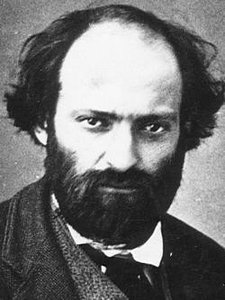
1839 - 1906 , საფრანგეთი

Explore the profound evolution of art from Impressionism to Post-Impressionism. Discover how masters like Van Gogh revolutionized color and emotion, shaping modern art history through structural innovation and expressive technique.


ყოველთვის პირველი იყავით უახლესი ხელოვნების სიახლეების, ექსკლუზიური შეთავაზებებისა და დეკორაციის იდეების შესახებ ინფორმირებული.
გვიამარტეთ თქვენი პროექტის შესახებ და ჩვენი ხელოვნების ექსპერტები მოგაწვდით 3 პერსონალიზებულ რეკომენდაციას.
დაგვიძlinეთ სამი ვარიანტის შერჩევა სპეციალურად თქვენთვის – უფასოდ!


 წინასწარი ნახვა
 გაგზავნა
 გაზიარება
 დეტალები

 ჩამოტვირთვა
 მსგავსები
 რენტგენოგრაფიული კვლევა
 სლაიდშოუ

 გადასართად დაწვრილებით ნახეთ







 მინის ჩარჩოს არჩევანი ხელმისაწვდომია მხოლოდ 110 სმ-ზე ნაკლები ზომისთვის