

მუზეუმის დონის ჟიკლე ან ტილოზე ბეჭდვა სწრაფი წარმოებისა და დასრულების მოქნილი ვარიანტებით. ( შეიძინეთ ხელით შესრულებული ნახატი შეიძინეთ გამოსახულება)





























აირჩიეთ ჩვენს მიერ წინასწარ განსაზღვრული ზომებიდან, რომლებიც ნაწარმოების ორიგინალურ პროპორციებს შეესაბამება.

თქვენ შეგიძლიათ მიუთითოთ საკუთარი ზომები კონკრეტული ჩარჩოსთვის ან სივრცისთვის მოსარგებლებლად. თუ თქვენ მიერ არჩეული ზომა არ შეესაბამება ორიგინალი გამოსახულების პროპორციებს, ჩვენ ან დავჭრით ნამუშევარს, ან გავაფართოვებთ გამოსახულებას სარკული ან ერთფეროვანი კიდეებით. წარმოების დაწყებამდე თქვენს დასამტკიცებლად გამოგეგზავნებათ ციფრული მაკეტი.
გთხოვთ, გაითვალისწინოთ, რომ ეკრანზე ნაჩვენები წინასწარი ნახვა არ ასახავს რეალურ ჭრას ან გაფართოებას. მხოლოდ მაკეტზე იქნება ზუსტად წარმოდგენილი საბოლოო კომპოზიცია.
მიუხედავად იმისა, რომ ინდივიდუალური ზომები ხელმისაწვდომია, ორიგინალური პროპორციების შესანარჩუნებლად გირჩევთ, აირჩიოთ ზომა წინასწარ განსაზღვრული სიისგან.
მიწოდება მთელ მსოფლიოში () 2 კვირაში, სტანდარტული 4/5 კვირის ნაცვლად. (14 აგვისტო)


Stool
რეკლამაციის ზომა
The artwork “Stool” by Pelagio Palagi, created in 1835, stands as a testament to the Neoclassical aesthetic prevalent during Carlo Alberto’s reign and embodies the meticulous craftsmanship characteristic of Bolognese furniture design. This gilded wooden bench transcends mere functionality; it's an opulent symbol of royal patronage and reflects Palagi’s profound understanding of classical principles.
Palagi, deeply influenced by Count Aldrovandi’s academy and its emphasis on drawing and perspective, honed his skills in replicating sculptural forms with remarkable accuracy. The bench’s design incorporates elements reminiscent of Roman temples—specifically the Doric order—demonstrating Palagi's commitment to reviving classical ideals within contemporary art.
The meticulous gilding process highlights Palagi’s mastery of decorative techniques, elevating the piece beyond a simple seat. Red trim accentuates the bench’s contours, adding visual dynamism and emphasizing its grandeur. Two angelic figures positioned on either side bestow upon it an aura of serenity and divine protection—a deliberate choice intended to convey nobility and spiritual significance.
Located within the Palazzo Reale in Turin, Italy, “Stool” serves as a tangible link to Turin’s artistic heritage during the Romantic era. Its presence speaks volumes about the importance placed on refined taste and artistic excellence by the royal court. The artwork's enduring appeal lies not only in its exquisite craftsmanship but also in its ability to evoke feelings of grandeur and contemplation.
Further research into Palagi’s oeuvre reveals a prolific artist who produced numerous sculptures and architectural projects alongside his furniture designs. His fascination with archaeological discoveries—particularly the Etruscan tombs—fueled his artistic vision, inspiring him to incorporate motifs from ancient civilizations into his works. This dedication to scholarly pursuits underscores Palagi's belief that art should be informed by knowledge and rooted in historical tradition.
The Palazzo Reale’s collection showcases “Stool” alongside other masterpieces of Neoclassical sculpture and painting, cementing its place as a cornerstone of Turin’s artistic legacy. Its enduring beauty continues to captivate visitors today, reminding us of the transformative power of art to transcend time and inspire awe.

1775 - 1860 , Italy
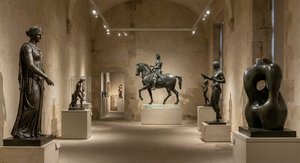
Journey through art history with our Top 10 bronze sculptures! Explore masterpieces by Rodin, Michelangelo & more. Discover stories behind iconic statues and find museum-quality reproductions for your home decor at BuyPopArt.com.

Explore the rich history of sculpture from ancient masterpieces to contemporary innovations. Discover key techniques, influential artists & investment potential for discerning art collectors.

Journey through art history with 10 legendary bronze sculptures – from Michelangelo's David to Rodin’s Thinker. Explore the stories, techniques & timeless beauty of these masterpieces. Find museum-quality reproductions & elevate your home decor on BuyPopArt.com.
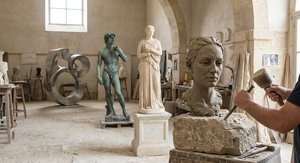
Explore the rich history of sculpture with BuyPopArt. Discover key techniques, influential artists & investment potential for discerning collectors. Expert insights into valuing and collecting timeless masterpieces.

Explore the life & art of Antonio Canova, the greatest Neoclassical sculptor. Discover his masterpieces, innovative techniques, and lasting influence on fine art collecting. Expert insights for discerning investors.


ყოველთვის პირველი იყავით უახლესი ხელოვნების სიახლეების, ექსკლუზიური შეთავაზებებისა და დეკორაციის იდეების შესახებ ინფორმირებული.
გვიამარტეთ თქვენი პროექტის შესახებ და ჩვენი ხელოვნების ექსპერტები მოგაწვდით 3 პერსონალიზებულ რეკომენდაციას.
დაგვიძlinეთ სამი ვარიანტის შერჩევა სპეციალურად თქვენთვის – უფასოდ!


 წინასწარი ნახვა
 გაგზავნა
 გაზიარება
 დეტალები

 ჩამოტვირთვა
 მსგავსები
 რენტგენოგრაფიული კვლევა
 სლაიდშოუ


 გადასართად დაწვრილებით ნახეთ







 მინის ჩარჩოს არჩევანი ხელმისაწვდომია მხოლოდ 110 სმ-ზე ნაკლები ზომისთვის


