ტილოზე შესრულებული ფერწერიანი ზეთប្រდათი, თქვენთვის სასურველი ზომისა და ჩარჩოსთვის, ჩვენი ხელოვანების მიერ შეკვეთის საფუძველზე დამზადებული. ( შეიძინეთ პრინტი შეიძინეთ გამოსახულება)





























აირჩიეთ ჩვენს მიერ წინასწარ განსაზღვრული ზომებიდან, რომლებიც ნაწარმოების ორიგინალურ პროპორციებს შეესაბამება.

თქვენ შეგიძლიათ მიუთითოთ თქვენთვის სასურველი ზომები კონკრეტული ჩარჩოს ან სივრცის შესაბამისად. თუ თქვენ მიერ არჩეული ზომა არ შეესაბამება ორიგინალი გამოსახულების პროპორციებს, ჩვენ ან შევაჭრებთ ნაწარმოებს, ან ტილოზე დავამატებთ ხელით მოხატულ ელემენტებს. წარმოების დაწყებამდე, დამტკიცებისთვის გამოგეგზავნებათ ციფრული მაკეტი.
გთხოვთ, გაითვალისწინოთ, რომ ეკრანზე ნაჩვენები წინასწარი შეხედულება არ ასახავს რეალურ შეჭრას ან გაფართოებას. საბოლოო კომპოზიციას ზუსტად მხოლოდ მაკეტი წარმოაჩენს.
მიუხედავად იმისა, რომ შესაძლებელია ინდივიდუალური ზომების შერჩევა, ორიგინალური პროპორციების შენარჩუნებისათვის გირჩევთ, გამოიყენოთ წინასწარ განსაზღვრული სიის ზომები.
მიწოდება მსოფლიო მასშტაბით -ში 3/4 კვირაში, სტანდარტული 5 კვირის ნაცვლად. (14 აგვისტო). ხარისხზე კომპრომისის გაკეთება არ მოხდება.


Breadbag
რეკლამაციის ზომა
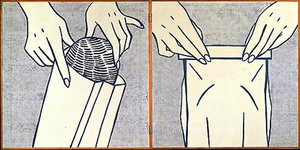
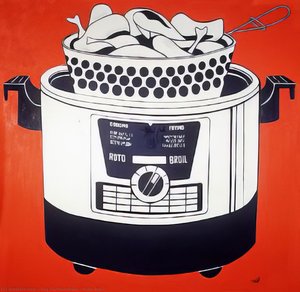
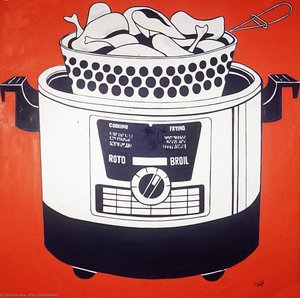
Roy Lichtenstein's "Breadbag," painted in 1961, isn’t a grand statement or a complex allegory; it’s deceptively simple. Yet, within its stark black and white palette and precise execution lies a potent distillation of the Pop Art movement’s core tenets – an interrogation of mass culture through the lens of familiar imagery. The artwork depicts two hands, rendered with bold, graphic lines characteristic of Lichtenstein's style, engaged in the mundane act of folding a paper bag containing bread. It’s a scene utterly devoid of drama or narrative, yet profoundly evocative of the era and the artist’s unique approach to representation.
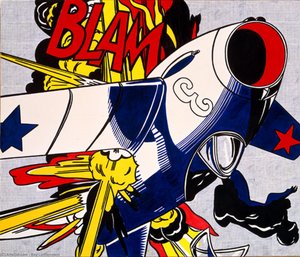
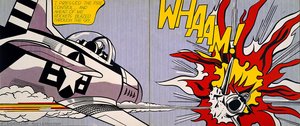
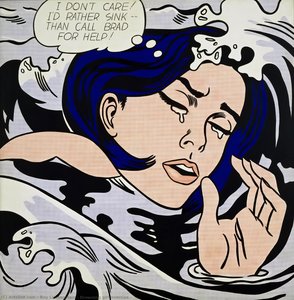
The painting’s power resides in its meticulous detail and deliberate flatness. Lichtenstein consciously rejected traditional notions of illusionistic depth, opting instead for a style that mimicked the look of commercial printing – specifically, the flat, colored areas and Ben-Day dots found on comic books and advertisements. This technique, borrowed from the world of mass production, elevates an ordinary domestic task to the level of art. The thick outlines defining the hands and bag aren’t meant to create a realistic image; they are deliberately stylized, emphasizing the graphic nature of the work and echoing the visual language of advertising and popular culture.
“Breadbag” exemplifies Lichtenstein's signature Pop Art style with remarkable clarity. The limited color palette – a stark contrast between black and white – immediately draws attention to the composition’s structure and the precision of the lines. The hands, simplified into geometric shapes, are rendered with an almost mechanical accuracy, reflecting the artist’s fascination with industrial processes and consumer goods. Notice how Lichtenstein utilizes subtle variations in tone within the black areas, creating a sense of texture that mimics the appearance of printed paper. This attention to detail, combined with the deliberate flatness of the image, reinforces the artwork's connection to its source materials – commercial printing and mass-produced imagery.
The painting’s construction is remarkably straightforward. Lichtenstein likely employed oil paint on canvas, applying it in layers to achieve the desired effect. The use of Ben-Day dots, though subtle here, would have been a key element in creating the image's characteristic mottled appearance – a technique borrowed from comic book printing that adds visual interest and simulates the effects of halftone patterns.
While seemingly innocuous, “Breadbag” can be interpreted as a subtle critique of consumer culture. By focusing on such a commonplace activity—the simple act of preparing food—Lichtenstein forces us to consider the pervasiveness of packaging and the way in which everyday objects are transformed into symbols of consumption. The repetitive nature of the hands folding the bag mirrors the relentless cycle of production and consumption that defined much of 1960s America. The artwork’s stark simplicity serves as a reminder of the often-overlooked beauty and significance found within the mundane aspects of daily life.
Reproductions of “Breadbag” offer a compelling way to experience Lichtenstein's artistic vision. BuyPopArt’s hand-painted reproductions capture the essence of the original, faithfully recreating the bold lines, limited color palette, and subtle textures that define this iconic work. Whether displayed in a contemporary interior or as a collector’s piece, “Breadbag” continues to resonate with viewers today, serving as a testament to Lichtenstein's innovative approach to art and his enduring influence on Pop Art.

1923 - 1997 , สหรัฐอเมริกา
Explore 10 legendary 'Acrylic On Canvas' masterpieces by artists like Rothko, Warhol & Frankenthaler. Discover the stories behind these iconic paintings and their impact on modern art. Find museum-quality reproductions at – elevate your home with timeless beauty.
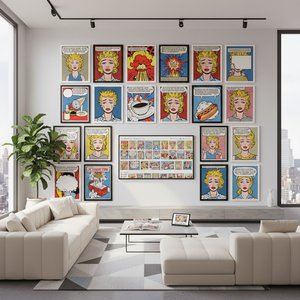
გაიცანით როი ლიხტენშტაინის 25 გამორჩეული ნაწარმოები! პოპ-არტის ხელოვნება, კომიკსების სტილი და უნიკალური ფერები BuyPopArt-ზე. ნახატები იყიდეთ მუზეუმის ხარისხით და შექმნით განსაცვიფრებელი ინტერიერი. აღმოაჩინეთ მეტი BuyPopArt.com-ზე!

გაიგეთ, როგორ შექმნათ ელეგანტური და ფუნქციონალური ინტერიერი მინიმალიზმის პრინციპების გამოყენებით. შავი, თეთრი და ნაცრისფერი ფერების ჰარმონია სასტუმროს დიზაინისთვის და კომფორტის ზრდისთვის. ექსპერტული რჩევები BuyPopArt-ისგან.
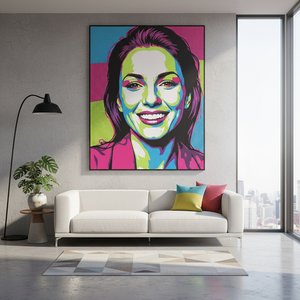
BuyPopArt.com - გადაიქცეთ თქვენი ფოტოები ხელოვნებად! ხელით შექმნილი პოპ-არტის ტილოები, უმაღლესი ხარისხითა და ინდივიდუალური მიდგომით. შექმენით განსაკუთრებული სივრცე და დატოვეთ თქვენი მემკვიდრეობა.
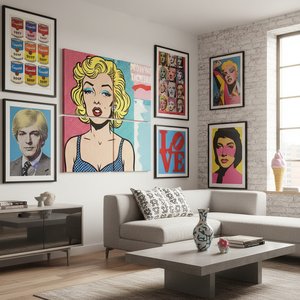
გაიცანით პოპ-არტის 10 შედევრი, რომლებმაც შეცვალეს ხელოვნების ისტორია! ენდი უორჰოლი, როი ლიხტენშტაინი და სხვა ცნობილი მხატვრები. შეიძინეთ მუზეუმის ხარისხის რეპლიკები BuyPopArt.com-ზე.


ყოველთვის პირველი იყავით უახლესი ხელოვნების სიახლეების, ექსკლუზიური შეთავაზებებისა და დეკორაციის იდეების შესახებ ინფორმირებული.
გვიამარტეთ თქვენი პროექტის შესახებ და ჩვენი ხელოვნების ექსპერტები მოგაწვდით 3 პერსონალიზებულ რეკომენდაციას.
დაგვიძlinეთ სამი ვარიანტის შერჩევა სპეციალურად თქვენთვის – უფასოდ!


 წინასწარი ნახვა
 გაგზავნა
 გაზიარება
 დეტალები

 ჩამოტვირთვა
 მსგავსები
 რენტგენოგრაფიული კვლევა
 სლაიდშოუ

 გადასართად დაწვრილებით ნახეთ







 მინის ჩარჩოს არჩევანი ხელმისაწვდომია მხოლოდ 110 სმ-ზე ნაკლები ზომისთვის