Acrylic On CanvasWallArtPop Art
 1990
1990 145.0 x 182.0 cm
ტილოზე შესრულებული ფერწერიანი ზეთប្រდათი, თქვენთვის სასურველი ზომისა და ჩარჩოსთვის, ჩვენი ხელოვანების მიერ შეკვეთის საფუძველზე დამზადებული. ( შეიძინეთ პრინტი შეიძინეთ გამოსახულება)





























აირჩიეთ ჩვენს მიერ წინასწარ განსაზღვრული ზომებიდან, რომლებიც ნაწარმოების ორიგინალურ პროპორციებს შეესაბამება.

თქვენ შეგიძლიათ მიუთითოთ თქვენთვის სასურველი ზომები კონკრეტული ჩარჩოს ან სივრცის შესაბამისად. თუ თქვენ მიერ არჩეული ზომა არ შეესაბამება ორიგინალი გამოსახულების პროპორციებს, ჩვენ ან შევაჭრებთ ნაწარმოებს, ან ტილოზე დავამატებთ ხელით მოხატულ ელემენტებს. წარმოების დაწყებამდე, დამტკიცებისთვის გამოგეგზავნებათ ციფრული მაკეტი.
გთხოვთ, გაითვალისწინოთ, რომ ეკრანზე ნაჩვენები წინასწარი შეხედულება არ ასახავს რეალურ შეჭრას ან გაფართოებას. საბოლოო კომპოზიციას ზუსტად მხოლოდ მაკეტი წარმოაჩენს.
მიუხედავად იმისა, რომ შესაძლებელია ინდივიდუალური ზომების შერჩევა, ორიგინალური პროპორციების შენარჩუნებისათვის გირჩევთ, გამოიყენოთ წინასწარ განსაზღვრული სიის ზომები.
მიწოდება მსოფლიო მასშტაბით -ში 3/4 კვირაში, სტანდარტული 5 კვირის ნაცვლად. (15 აგვისტო). ხარისხზე კომპრომისის გაკეთება არ მოხდება.


The den
რეკლამაციის ზომა
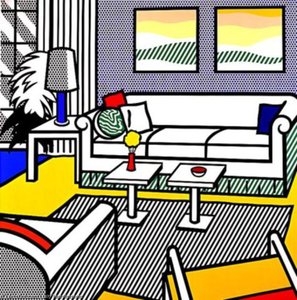
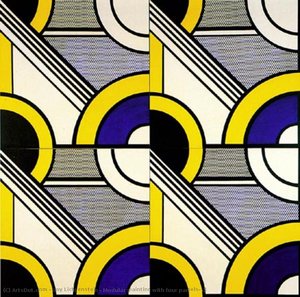
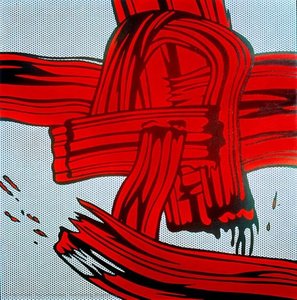
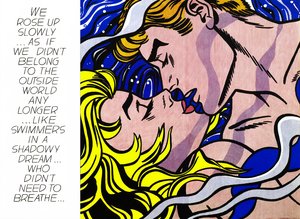
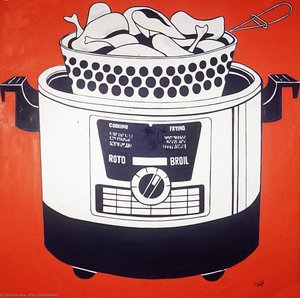
Roy Lichtenstein's "The Den," completed in 1990, isn’t merely a depiction of an interior living room; it’s a masterful distillation of Pop Art principles—a deliberate provocation against the perceived seriousness of traditional fine art. Produced by Gemini G.E.L., this woodcut and screenprint embodies Lichtenstein's signature aesthetic: bold color blocks juxtaposed with meticulously crafted Ben-Day dots, creating an illusion of texture and depth that belies its deceptively simple composition.
The color palette—primarily reds, yellows, blues, black, and white—is aggressively reductive, mirroring the limited color palettes found in commercial printing. Lichtenstein’s technique relies heavily on Ben-Day dots – tiny colored squares meticulously applied to create shading and texture. This method mimics the halftone printing process used in comic books, instantly conveying a sense of immediacy and artificiality. The resulting surface is strikingly graphic, prioritizing visual impact over nuanced tonal variation.
"The Den" emerged during Lichtenstein’s peak period as a Pop Artist, responding to the cultural anxieties of the 1960s and ’70s. He deliberately adopted the conventions of mass media—comic strips and advertising—to critique consumer culture and challenge artistic elitism. By flattening perspective and simplifying forms, Lichtenstein aimed to dismantle illusionistic painting techniques and engage viewers in a dialogue about representation itself. The artwork serves as a testament to Lichtenstein's unwavering commitment to pushing boundaries within the art world.
Despite its apparent simplicity, “The Den” carries significant symbolic weight. The vase of flowers represents beauty and fragility—themes frequently explored in Romantic art—but presented within a deliberately stylized framework. Lichtenstein’s use of bold colors and geometric shapes evokes the energy and dynamism of Pop Art, conveying a sense of playful detachment from emotional expression. Ultimately, “The Den” invites contemplation on how we perceive reality and celebrates the transformative power of artistic innovation.


1923 - 1997 , สหรัฐอเมริกา

Master your space with bold Pop Art. Discover trend-setting ways to use high-impact colors and iconic pieces like Lichtenstein to create visual harmony. Elevate your home with premium, hand-painted reproductions and custom art commissions designed for the modern collector.


ყოველთვის პირველი იყავით უახლესი ხელოვნების სიახლეების, ექსკლუზიური შეთავაზებებისა და დეკორაციის იდეების შესახებ ინფორმირებული.
გვიამარტეთ თქვენი პროექტის შესახებ და ჩვენი ხელოვნების ექსპერტები მოგაწვდით 3 პერსონალიზებულ რეკომენდაციას.
დაგვიძlinეთ სამი ვარიანტის შერჩევა სპეციალურად თქვენთვის – უფასოდ!


 წინასწარი ნახვა
 გაგზავნა
 გაზიარება
 დეტალები

 ჩამოტვირთვა
 მსგავსები
 რენტგენოგრაფიული კვლევა
 სლაიდშოუ
 გადასართად დაწვრილებით ნახეთ







 მინის ჩარჩოს არჩევანი ხელმისაწვდომია მხოლოდ 110 სმ-ზე ნაკლები ზომისთვის