
 Oil On CanvasWallArtCubism
 1919Modern
 98.0 x 63.0 cm




























작품의 원본 비율을 유지하는 미리 설정된 크기 중에서 선택하세요.

특정 프레임이나 공간에 맞도록 직접 크기를 입력할 수 있습니다. 선택하신 크기가 원본 이미지의 비율과 일치하지 않는 경우, 작품을 자르거나 추가적인 손으로 그린 요소를 사용하여 그림을 확장합니다. 제작 시작 전 승인을 위해 디지털 목업을 보내드립니다.
화면 미리 보기는 실제 자르기 또는 확장을 반영하지 않습니다. 최종 구성은 목업을 통해서만 정확하게 확인하실 수 있습니다.
맞춤 크기 제작도 가능하지만, 원본 비율을 유지하기 위해 사전 정의된 목록에서 크기를 선택하시는 것을 권장합니다.

Pink Blouse
복제본 크기
In the vast, often turbulent landscape of early 20th-century modernism, few works capture the delicate intersection of serenity and sorrow as poignantly as Amedeo Clemente Modigliani’s 1919 masterpiece, “Pink Blouse.” This oil on canvas is far more than a mere depiction of a seated woman; it is an invitation into a world of profound stillness and melancholic beauty. As the viewer encounters this piece, they are immediately drawn into the subject's quiet presence, a moment frozen in time that embodies the very essence of Expressionist emotion. The painting, which currently resides in the prestigious Musée Angladon in France, serves as a testament to Modigliani’s ability to transform a simple portrait into a deeply psychological experience.
The composition is masterfully orchestrated to guide the eye through a subtle visual narrative. At the center of the canvas sits a woman, her figure rendered with the characteristic grace and elongated elegance that became the hallmark of Modigliani’s style. Clad in a soft, luminous pink blouse, she anchors the scene with an air of contemplative dignity. The artist utilizes perspective not merely to create depth, but to focus our attention on the subject's inner life. A secondary, partially visible silhouette in the background introduces a layer of intimacy and mystery, suggesting a shared space or a fleeting memory that adds a haunting, spectral quality to the atmosphere.
To understand “Pink Blouse,” one must delve into Modigliani’s revolutionary approach to form. Moving away from the rigid anatomical accuracy demanded by academic traditions, the artist embraced a style heavily influenced by the fragmentation of Cubism and the expressive freedom of Expressionism. His signature technique—the surreal elongation of necks, faces, and bodies—is on full display here. These stretched forms are not mere stylistic flourishes; they are deliberate tools used to convey a heightened sense of spiritual and emotional depth. By deforming the physical reality, Modigliani reaches toward a higher, more poetic truth.
The technical execution of the painting further enhances its evocative power. The surface of the canvas is smooth and polished, allowing for a seamless transition between colors and shapes. This fluidity creates an illusion of stillness, as if the subject is suspended in a dreamlike state. The interplay of light and shadow across the pink fabric of the blouse provides a tactile quality that contrasts beautifully with the more abstract, simplified features of the face. For collectors and interior designers, this balance of soft color palettes and bold, structural lines makes the piece an extraordinary focal point, capable of bringing both warmth and intellectual intrigue to any sophisticated space.
The historical context of “Pink Blouse” is inseparable from the tragic and romanticized life of Amedeo Modigliani himself. Born in Livorno, Italy, his journey through the bohemian circles of Paris was marked by personal hardship, illness, and a relentless pursuit of artistic truth. This sense of fragility and longing is woven into the very fabric of his work. When viewing this portrait, one cannot help but feel the weight of the artist's sensitivity—a sensitivity that allowed him to capture the fleeting nuances of human vulnerability.
For those seeking to bring a piece of art history into their homes, a high-quality reproduction of “Pink Blouse” offers more than just decoration; it offers a connection to the soul of modernism. The painting’s ability to evoke emotion through its soft hues and striking silhouettes makes it a timeless choice for any curated collection. It stands as a symbol of quiet elegance, reminding us that even in moments of profound stillness, there is a powerful, enduring beauty that transcends time.
아메데오 모디글리아니(Amedeo Modigliani, 1884-1920)는 20세기 초 파리 화단에서 독특한 개성을 드러낸 이탈리아 출신의 화가이자 조각가입니다. 그의 작품은 길게 늘어진 인물과 섬세하게 표현된 눈, 그리고 어딘가 모르게 슬픔이 깃든 분위기로 유명하며, 오늘날까지도 많은 사랑을 받고 있습니다. 모디글리아니의 삶은 예술적 천재성과 비극적인 고독이 뒤섞인 채 전개되었고, 그의 작품들은 이러한 삶의 흔적을 고스란히 담아내고 있습니다.
1884년 이탈리아 리보르노에서 유대인 가정에서 태어난 모디글리아니는 어린 시절부터 병약했습니다. 폐렴과 결핵으로 수차례 생사를 헤매면서, 그는 세상의 아름다움과 덧없음을 더욱 깊이 느끼게 되었을 것입니다. 가족의 경제적 어려움 속에서도 어머니와 할아버지로부터 니체, 보들레르, 랭보 등 당대 지성인들의 사상을 접하며 예술적 감수성을 키워나갔습니다. 리보르노에서 미술 교육을 받은 후, 그는 1906년 파리로 건너가 본격적인 예술 활동을 시작했습니다.
파리는 당시 유럽 예술의 중심지였고, 모디글리아니는 이곳에서 피카소, 브랑쿠시 등 당대 최고의 화가들과 교류하며 영감을 얻었습니다. 초기에는 입체주의에 심취하기도 했지만, 곧 자신만의 독자적인 스타일을 구축하기 위해 노력했습니다. 그는 아프리카 조각과 고대 로마네스크 양식의 영향을 받아 인물의 형태를 길게 늘리고 단순화하는 기법을 발전시켰습니다. 특히 그의 초상화는 길고 가느다란 목, 둥글고 커다란 눈, 그리고 어딘가 모르게 슬픔이 느껴지는 표정으로 특징지어집니다. 이러한 표현은 인물의 내면 심리를 섬세하게 포착하며 보는 이의 마음을 사로잡습니다.
모디글리아니는 또한 조각에도 몰두하여 인간 형태를 추상적으로 단순화한 작품들을 제작했습니다. 그의 조각들은 브랑쿠시의 영향을 받았지만, 더욱 유기적이고 부드러운 곡선으로 표현되어 독자적인 매력을 지닙니다. 그러나 당시 파리 미술계에서는 그의 작품이 난해하고 기괴하다는 평가를 받으며 큰 호응을 얻지 못했습니다.
예술적 성공과는 달리 모디글리아니의 삶은 경제적인 어려움과 건강 악화로 가득했습니다. 그는 종종 굶주림에 시달렸고, 결핵으로 인해 고통받았습니다. 1917년, 젊은 화가 잔 에뷔트른(Jeanne Hébuterne)과 사랑에 빠졌지만, 그들의 관계는 비극적인 운명을 맞이합니다. 잔은 모디글리아니의 모델이자 뮤즈였으며, 그의 작품에서 가장 아름다운 초상화들을 탄생시켰습니다. 그러나 1920년, 잔은 임신한 채 스스로 목숨을 끊었고, 모디글리아니는 슬픔에 잠긴 채 얼마 뒤 결핵으로 세상을 떠났습니다.
모디글리아니가 생전에 큰 성공을 거두지 못했지만, 그의 죽음 이후 그의 작품은 점차 재평가를 받기 시작했습니다. 20세기 미술사에서 중요한 위치를 차지하게 되었고, 오늘날에는 세계적인 명성을 얻고 있습니다. 그의 초상화는 인간의 내면 심리를 섬세하게 포착하고 있으며, 슬픔과 아름다움이 공존하는 독특한 분위기를 자아냅니다. 모디글리아니의 작품은 단순함 속에 담긴 깊은 사유와 예술적 진실을 보여주는 대표적인 사례로 평가받고 있습니다.
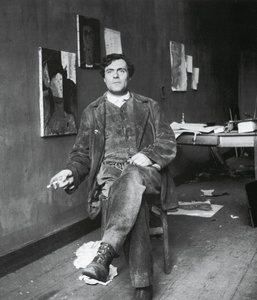
1884 - 1920 , 이탈리아

Ditch the boring decor. Discover why Expressionist art is the ultimate vibe for your space. Explore bold colors, raw emotions, and how to commission custom, hand-painted masterpieces that transform your home into a high-impact gallery of pure, unfiltered energy.


최신 미술 뉴스, 특별 혜택 및 인테리어 아이디어를 가장 먼저 만나보세요.
프로젝트에 대해 알려주시면 저희 미술 전문가들이 맞춤형 아트 제안 3가지를 전달해 드립니다.
당신만을 위한 맞춤형 옵션 3가지를 무료로 추천해 드립니다!


 미리보기
미리보기
 프린트 구매
 공유하기
공유하기 공유하기
공유하기
 상세 정보
상세 정보

 다운로드
다운로드
 유사 작품
유사 작품 X-레이
X-레이 슬라이드 쇼
 더 보기
더 보기









 유리 옵션은 110cm 미만 크기에서만 선택 가능합니다.


