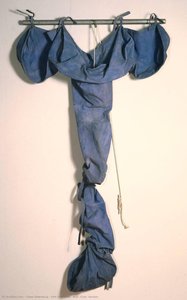
1800
1800 43.0 x 58.0 cm
빠른 제작과 다양한 마감 옵션을 제공하는 박물관 품질의 지클레이 또는 캔버스 프린트. ( 손으로 그린 그림 구매 이미지 구매)
작품의 원본 비율을 유지하는 미리 설정된 크기 중에서 선택하세요.

특정 프레임이나 공간에 맞춰 직접 치수를 입력하실 수 있습니다. 선택하신 사이즈가 원본 이미지의 비율과 일치하지 않을 경우, 작품을 크롭(자르기)하거나 이미지를 대칭 또는 단색 채우기로 확장하여 제작합니다. 제작 시작 전, 최종 확인을 위해 디지털 목업이 전송됩니다.
화면상의 미리보기는 실제 크롭이나 확장 상태를 반영하지 않으므로, 최종 구도는 오직 목업을 통해서만 정확하게 확인하실 수 있습니다.
맞춤 사이즈 제작도 가능하지만, 원본 비율을 유지하기 위해서는 사전 정의된 목록에서 치수를 선택하시는 것을 권장합니다.

River Scene
복제본 크기
Andrew Wilson, born in Edinburgh in 1780, was a figure deeply entwined with the artistic currents of his time—a Scottish landscape painter whose life unfolded as a compelling narrative of travel, connoisseurship, and dedication to capturing beauty. He wasn’t merely an artist; he was a bridge between cultures, a discerning collector who brought masterpieces to British shores, and a dedicated teacher who nurtured generations of talent. His story is one of Jacobite lineage, early artistic promise, and a lifelong pursuit of light and form, initially inspired by the Italian masters.
Wilson’s formative years were shaped by his family history and the burgeoning art scene in Scotland. Coming from an old Jacobite family instilled a sense of heritage, while his initial training under Alexander Nasmyth provided a solid foundation in artistic technique. At seventeen, he ventured to London, immersing himself in the rigorous study offered at the Royal Academy schools. However, it was his subsequent journeys to Italy that truly ignited his passion and defined his aesthetic direction. He embarked on multiple tours, absorbing the lessons of the Italian Renaissance and Baroque periods, forging connections with prominent collectors like Champernown and Irving, and meticulously sketching the architectural wonders of Rome and Naples.
Upon returning to London in 1803, Wilson recognized a significant opportunity: importing paintings by Old Masters. This marked a turning point in his career, transforming him from a promising painter into a shrewd art dealer. Despite the political turmoil of the Napoleonic Wars, he persevered, establishing himself in Genoa under the protection of the American consul and gaining membership to the Ligurian Academy. A pivotal moment occurred during Napoleon Bonaparte’s visit to an exhibition where Wilson's work was admired. When an envious academician revealed his English origins, Napoleon famously declared, “Le talent n'a pas de pays”—talent knows no borders—a testament to Wilson’s skill and artistic merit.
The year 1805 witnessed a triumphant return to London with over fifty acquired paintings. Among these treasures were Rubens’s *Brazen Serpent*, now gracing the halls of the National Gallery, and Jacopo Bassano's *Adoration of the Magi*, which found its home in the National Gallery of Scotland. These acquisitions weren’t simply commercial transactions; they represented Wilson’s discerning eye and his commitment to enriching British art collections.
Settling back in London, Wilson continued to paint, particularly in watercolour, and became a founding member of the Associated Artists in 1808. He also dedicated himself to education, serving as a drawing teacher at Sandhurst Military College. However, his appointment as master of the Trustees’ Academy in Edinburgh in 1818 proved to be a defining chapter. There, he profoundly influenced a generation of Scottish artists, including Robert Scott Lauder, William Simson, and David Octavius Hill—names that would become synonymous with the vibrant artistic landscape of Scotland.
Wilson wasn’t merely an instructor; he was a champion of art, actively supporting the Royal Institution and serving as both its manager and artist associate member. His commitment extended beyond his own studio, fostering a thriving artistic community in Edinburgh.
In 1826, Wilson once again turned his gaze towards Italy, embarking on a twenty-year sojourn that saw him living in Rome, Florence, and Genoa. During this period, he transitioned more fully into the role of art advisor and collector, securing significant works for prominent patrons like Lords Hopetoun and Pembroke, and Sir Robert Peel. He continued to paint until 1844 when a debilitating hand injury curtailed his artistic practice.
Andrew Wilson’s legacy extends far beyond his own canvases. His discerning eye brought masterpieces to Britain, enriching national collections and shaping the tastes of art lovers for generations. As a teacher, he nurtured a wealth of Scottish talent, leaving an indelible mark on the nation's artistic heritage. He was a man who understood that art transcends borders, and his life stands as a testament to the enduring power of beauty, connoisseurship, and dedication.

1780 - 1848


최신 미술 뉴스, 특별 혜택 및 인테리어 아이디어를 가장 먼저 만나보세요.
프로젝트에 대해 알려주시면 저희 미술 전문가들이 맞춤형 아트 제안 3가지를 전달해 드립니다.
당신만을 위한 맞춤형 옵션 3가지를 무료로 추천해 드립니다!


 미리보기
미리보기
 공유하기
공유하기 공유하기
공유하기
 상세 정보
상세 정보

 다운로드
다운로드
 유사 작품
유사 작품 X-레이
X-레이 슬라이드 쇼
 더 보기
더 보기






































 유리 옵션은 110cm 미만 크기에서만 선택 가능합니다.