빠른 제작과 다양한 마감 옵션을 제공하는 박물관 품질의 지클레이 또는 캔버스 프린트. ( 수제 페인팅으로 전환하기 이미지로 전환)





























작품의 원본 비율을 유지하는 미리 설정된 크기 중에서 선택하세요.

특정 프레임이나 공간에 맞춰 직접 치수를 입력하실 수 있습니다. 선택하신 사이즈가 원본 이미지의 비율과 일치하지 않을 경우, 작품을 크롭(자르기)하거나 이미지를 대칭 또는 단색 채우기로 확장하여 제작합니다. 제작 시작 전, 최종 확인을 위해 디지털 목업이 전송됩니다.
화면상의 미리보기는 실제 크롭이나 확장 상태를 반영하지 않으므로, 최종 구도는 오직 목업을 통해서만 정확하게 확인하실 수 있습니다.
맞춤 사이즈 제작도 가능하지만, 원본 비율을 유지하기 위해서는 사전 정의된 목록에서 치수를 선택하시는 것을 권장합니다.

Ali
복제본 크기
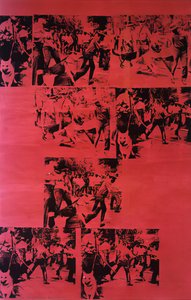
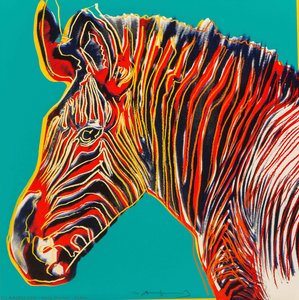
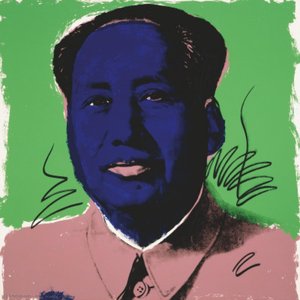
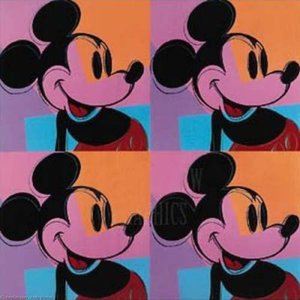
Andy Warhol’s “Ali,” painted in 1964, stands as a quintessential emblem of Pop Art—a movement that irrevocably shattered the conventions of fine art and ushered in an era defined by its engagement with popular culture. More than just a depiction of a boxer's arm clutching a red glove, it embodies Warhol’s revolutionary approach to artistic representation: stripping away illusionistic depth and embracing vibrant hues as primary vehicles for conveying emotion and meaning.
Warhol’s technique—silkscreen printing—was deliberately chosen to mimic the repetitive processes of mass production. Utilizing photographic images sourced from magazines, he meticulously transferred them onto canvases coated with emulsion paint. Then, through a series of screens imprinted with halftone dots – tiny circles that create a mottled effect – Warhol applied layers of pigment in bold blocks of color. This method wasn’t merely efficient; it was conceptually significant—demonstrating Warhol's belief that art could derive its power from mirroring the visual language of advertising and everyday life.
The painting’s historical context is inextricably linked to the burgeoning optimism of the mid-1960s, a period marked by social upheaval yet simultaneously fueled by unprecedented economic prosperity. Warhol positioned himself at the forefront of this cultural transformation, capturing the zeitgeist—the spirit of the age—with unflinching precision. “Ali” reflects the fascination with celebrity and spectacle that characterized the era, elevating the seemingly mundane image of a boxer’s hand to monumental proportions.
Symbolically, the red glove serves as a potent emblem of aggression and protection – mirroring the physical confrontation inherent in boxing but also representing Warhol's desire to safeguard his artistic vision amidst criticism from established art critics. The stark blue background amplifies the impact of the crimson hue, creating a dynamic interplay between color that underscores the painting’s emotional intensity.
Ultimately, “Ali” transcends its literal subject matter to resonate with viewers on a profound level. Warhol's masterful manipulation of color and texture compels us to confront questions about perception, representation, and the relationship between art and commerce. It remains an enduring testament to Pop Art’s audacious challenge to artistic dogma—a celebration of boldness, vibrancy, and the transformative potential of embracing the visual culture of our time.
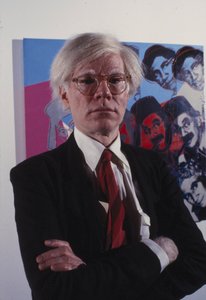
1928 - 1987 , 미국
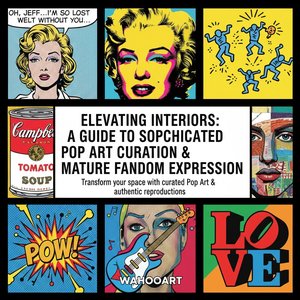
세련된 인테리어에 품격을 더하는 팝 아트 컬렉션의 모든 것! 시대적 배경부터 핵심 작가, 투자 가치, 맞춤 제작까지 전문가의 깊이 있는 정보를 담았습니다. 나만의 개성을 표현하고 공간을 예술로 채우는 노하우를 BuyPopArt에서 만나보세요.
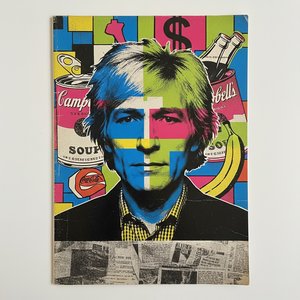
Explore the revolutionary art of Andy Warhol & the Pop Art movement. Discover his iconic techniques, cultural impact, and investment potential. A guide for discerning collectors.

Explore the fascinating relationship between color & emotion in art history. Discover how master artists like Matisse & Gauguin used vibrant hues to evoke feelings and cultural meanings. A deep dive for classic art enthusiasts.
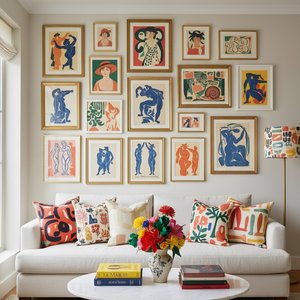
앙리 마티스의 시대를 초월하는 걸작 25선을 만나보세요. 색채주의, 야수파를 대표하는 그의 삶과 예술 세계를 탐험하고, BuyPopArt에서 명화 복제본으로 거실 인테리어에 감동을 더하세요. 지금 바로 컬렉션을 확인하세요!
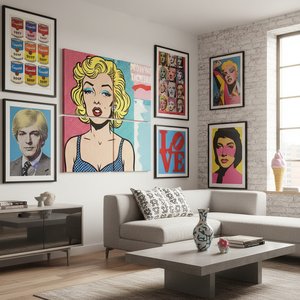
팝아트의 심장을 뛰게 한 10대 명작을 만나보세요! 안드로이 쇼팽, 앤디 워홀 등 거장의 작품 세계를 깊이 있게 탐구하고, 예술적 영감을 얻으세요. 와후아트에서 최고급 미술품 복제와 인테리어 아이디어를 지금 바로 확인하세요.


최신 미술 뉴스, 특별 혜택 및 인테리어 아이디어를 가장 먼저 만나보세요.
프로젝트에 대해 알려주시면 저희 미술 전문가들이 맞춤형 아트 제안 3가지를 전달해 드립니다.
당신만을 위한 맞춤형 옵션 3가지를 무료로 추천해 드립니다!


 미리보기
미리보기
 공유하기
공유하기 공유하기
공유하기
 상세 정보
상세 정보

 다운로드
다운로드
 유사 작품
유사 작품 X-레이
X-레이 슬라이드 쇼
 더 보기
더 보기









 유리 옵션은 110cm 미만 크기에서만 선택 가능합니다.