x

작품의 원본 비율을 유지하는 미리 설정된 크기 중에서 선택하세요.

특정 프레임이나 공간에 맞도록 직접 크기를 입력할 수 있습니다. 선택하신 크기가 원본 이미지의 비율과 일치하지 않는 경우, 작품을 자르거나 추가적인 손으로 그린 요소를 사용하여 그림을 확장합니다. 제작 시작 전 승인을 위해 디지털 목업을 보내드립니다.
화면 미리 보기는 실제 자르기 또는 확장을 반영하지 않습니다. 최종 구성은 목업을 통해서만 정확하게 확인하실 수 있습니다.
맞춤 크기 제작도 가능하지만, 원본 비율을 유지하기 위해 사전 정의된 목록에서 크기를 선택하시는 것을 권장합니다.

Two Cheeseburgers, with Everything (Dual Hamburgers)
복제본 크기
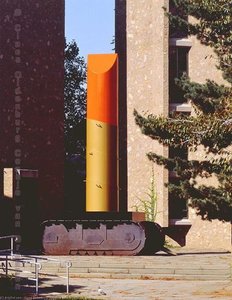
Claes Oldenburg’s “Two Cheeseburgers, with Everything,” created in 1962, stands as a cornerstone of Pop Art and a masterful demonstration of how sculpture can transform the mundane into the monumental. More than just a depiction of a hamburger—a symbol of American consumer culture—the piece embodies Oldenburg's signature approach: confronting grand artistic conventions with playful irreverence and celebrating the commonplace.
Born in Stockholm, Sweden, in 1929, Claes Oldenburg embarked on an artistic journey fueled by Surrealism and Dada’s questioning spirit. He honed his sculptural skills at Yale University before establishing himself as a prominent voice within the burgeoning Pop Art movement alongside fellow innovators like Jim Dine and Allan Kaprow. This collaborative ethos profoundly shaped his creative vision, resulting in groundbreaking installations that blurred the lines between art and architecture.
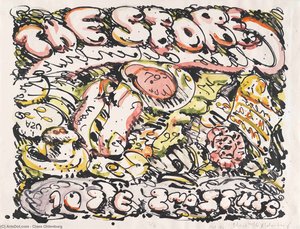
The genesis of “Two Cheeseburgers” occurred during Oldenburg’s ambitious project dubbed “The Store,” which debuted in December 1961 at a modest storefront on Manhattan's Lower East Side. Alongside fellow artists, including Lucas Samaras and Tom Wesselmann, Oldenburg presented three oversized soft sculptures—a hamburger, an ice cream cone, and a cake—each meticulously crafted from burlap soaked in plaster and painstakingly painted with enamel. This deliberate juxtaposition of scale challenged viewers’ perceptions of reality and underscored Oldenburg's fascination with the transformative potential of art.
Technically speaking, Oldenburg employed a technique that prioritized tactile experience alongside visual impact. The sculptures were constructed using chicken wire encased in plaster, creating a robust framework for layering textured surfaces—including lettuce, cheese slices, tomato wedges, and pickles—to mimic the appearance of a fully assembled cheeseburger. This meticulous attention to detail wasn’t merely decorative; it served as a deliberate provocation against the prevailing seriousness of Abstract Expressionism.
Beyond its formal qualities, “Two Cheeseburgers” carries significant symbolic weight. The oversized burger functions as an emblem of American prosperity and indulgence—a deliberately ironic commentary on societal values. Simultaneously, Oldenburg’s choice to represent a familiar food item within the context of monumental sculpture elevates it to the level of art, questioning hierarchies of taste and suggesting that beauty can be found in unexpected places. As Alfred H. Barr Jr., MoMA's founding director noted upon witnessing the installation, Oldenburg’s work was “brilliant,” marking a pivotal moment in redefining artistic boundaries.
The piece’s enduring legacy resides not only in its aesthetic achievements but also in its conceptual boldness—a testament to Oldenburg’s unwavering commitment to exploring humor and absurdity as avenues for artistic expression. Its inclusion in MoMA's collection solidified its place within the canon of 20th-century art, ensuring that “Two Cheeseburgers” continues to inspire contemplation on scale, materiality, and the role of art in shaping our understanding of the everyday world.

1929 - 2022 , 스웨덴
Explore the fascinating history of Pop Art, from its rebellious origins to its enduring influence on contemporary artists. Discover key figures like Warhol & Lichtenstein and learn about collecting this iconic movement.
Explore the revolutionary art of Kazimir Malevich & his groundbreaking Suprematism movement. Discover the origins, core principles, and lasting impact of this pivotal force in modern abstract painting.
Explore the compelling work of Ukrainian artist Pavlo Makov, renowned for his conceptual photography deconstructing Soviet legacy. Discover his unique artistic process and investment potential.
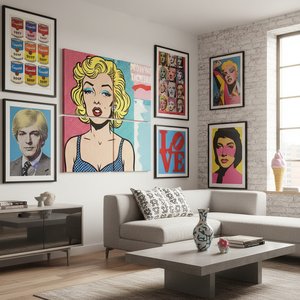
팝아트의 심장을 뛰게 한 10대 명작을 만나보세요! 안드로이 쇼팽, 앤디 워홀 등 거장의 작품 세계를 깊이 있게 탐구하고, 예술적 영감을 얻으세요. 와후아트에서 최고급 미술품 복제와 인테리어 아이디어를 지금 바로 확인하세요.
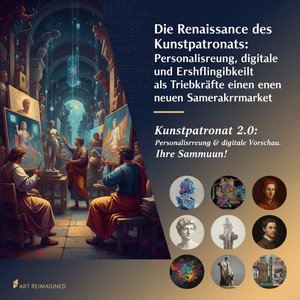
Discover how the digital age is transforming art patronage. Explore collecting trends, investment insights & expert guidance from BuyPopArt.com – museum-quality reproductions & custom artwork.


최신 미술 뉴스, 특별 혜택 및 인테리어 아이디어를 가장 먼저 만나보세요.
프로젝트에 대해 알려주시면 저희 미술 전문가들이 맞춤형 아트 제안 3가지를 전달해 드립니다.
당신만을 위한 맞춤형 옵션 3가지를 무료로 추천해 드립니다!


 프린트 구매하기
 공유하기
공유하기 공유하기
공유하기
 상세 정보
상세 정보

 다운로드
다운로드
 유사 작품
유사 작품 X-레이
X-레이 슬라이드 쇼


 더 보기
더 보기
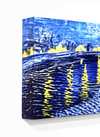
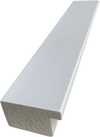
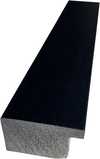
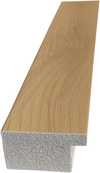
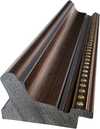
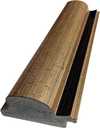
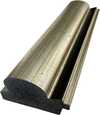
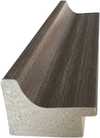
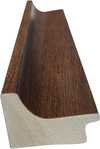
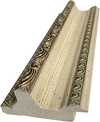
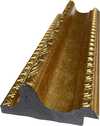
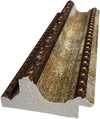
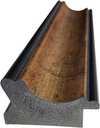
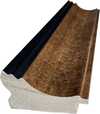
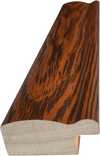
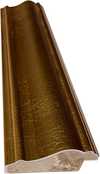
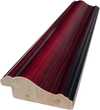
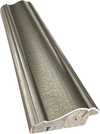
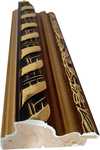
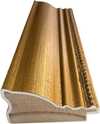
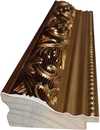
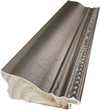
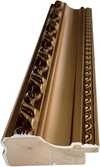
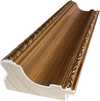
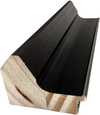
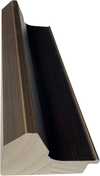
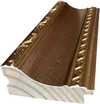
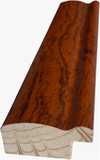
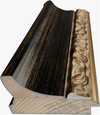
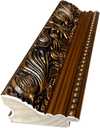
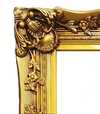
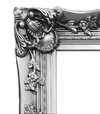
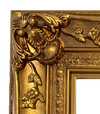
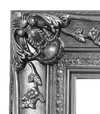


 유리 옵션은 110cm 미만 크기에서만 선택 가능합니다.