빠른 제작과 다양한 마감 옵션을 제공하는 박물관 품질의 지클레이 또는 캔버스 프린트. ( 수제 페인팅으로 전환하기 이미지로 전환)





























작품의 원본 비율을 유지하는 미리 설정된 크기 중에서 선택하세요.

특정 프레임이나 공간에 맞춰 직접 치수를 입력하실 수 있습니다. 선택하신 사이즈가 원본 이미지의 비율과 일치하지 않을 경우, 작품을 크롭(자르기)하거나 이미지를 대칭 또는 단색 채우기로 확장하여 제작합니다. 제작 시작 전, 최종 확인을 위해 디지털 목업이 전송됩니다.
화면상의 미리보기는 실제 크롭이나 확장 상태를 반영하지 않으므로, 최종 구도는 오직 목업을 통해서만 정확하게 확인하실 수 있습니다.
맞춤 사이즈 제작도 가능하지만, 원본 비율을 유지하기 위해서는 사전 정의된 목록에서 치수를 선택하시는 것을 권장합니다.

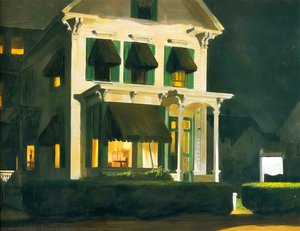
untitled (3714)
복제본 크기
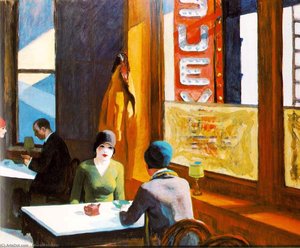
Edward Hopper's "Untitled (3714)," painted in 1942, isn’t merely a depiction of a diner interior; it’s a distilled essence of modern American loneliness. This deceptively simple scene—an elderly man perched on the steps of a modest house, leaning heavily on a cane—resonates with an almost unbearable quietude, a feeling that has become inextricably linked to Hopper's artistic vision and the anxieties of his era. The painting captures a fleeting moment of solitude, a tableau of human existence stripped bare of connection, rendered in a palette of muted earth tones and punctuated by the stark geometry of urban architecture.
Hopper’s mastery lies not just in observation but in translating that observation into a potent emotional experience. He wasn't interested in grand narratives or dramatic action; instead, he focused on the subtle gestures, the unspoken anxieties, and the pervasive sense of detachment that characterized much of 20th-century American life. The composition is meticulously controlled—the vertical thrust of the building, the horizontal sweep of the steps, all contribute to a feeling of contained stillness. The man’s posture, his slight stoop and the weight of the cane, immediately convey vulnerability and a quiet resignation. It's a portrait not of a specific individual, but of a universal experience: the feeling of being adrift in a vast, impersonal world.
The painting’s power is deeply rooted in Hopper’s distinctive technique. He employed a predominantly realistic style, yet infused it with a modernist sensibility—a deliberate simplification of forms and an acute awareness of light and shadow. Notice how the diffused afternoon light streams through the windows, casting long, soft shadows that flatten the space and heighten the sense of isolation. The use of ochre, brown, and yellow creates a warm, aged atmosphere, suggesting both time and decay. Hopper’s brushwork is remarkably smooth, almost impersonal—a deliberate choice that reinforces the painting's detached mood. He favored oil paints on canvas, allowing for rich color saturation and subtle gradations of tone.
The meticulous rendering of the building’s facade – the slightly weathered siding, the precise lines of the windows – speaks to Hopper’s painstaking attention to detail. Yet, this precision serves not to create a realistic representation but rather to emphasize the rigidity and artificiality of the urban environment. The rectangular shapes dominate the composition, creating a sense of order that ironically underscores the underlying feeling of alienation.
“Untitled (3714)” is rich in symbolic resonance. The elderly man himself represents aging, vulnerability, and perhaps even mortality. The cane isn’t simply a walking aid; it's a symbol of dependence and a reminder of time passing. The house, modest and unassuming, suggests a longing for stability and connection—a desire that remains unfulfilled. The darkened street outside the diner further amplifies this sense of isolation, creating a visual barrier between the man and the world beyond.
Hopper’s work frequently explored themes of loneliness, alienation, and the search for meaning in a rapidly changing society. “Untitled (3714)” is a quintessential example of this preoccupation, capturing the quiet desperation of individuals struggling to find their place in an increasingly impersonal world. It's a painting that invites contemplation—a silent conversation about the human condition.
Edward Hopper’s influence on American art and culture is undeniable. “Untitled (3714)” stands as one of his most iconic works, embodying his signature style and thematic concerns. Reproductions of this painting continue to resonate with viewers today, offering a poignant glimpse into the complexities of modern life. Its enduring appeal lies in its ability to evoke a powerful emotional response—a sense of melancholy, introspection, and perhaps even a touch of recognition for the quiet solitude that resides within us all.
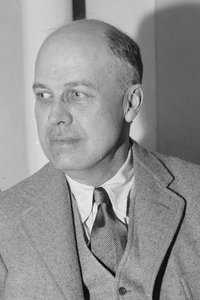
1931 - 1967 , 미국

Explore the revolutionary Ashcan School! Discover how artists like Henri & Sloan challenged tradition with gritty realism, capturing urban life in early 20th-century America. Learn about their impact on American art history.

에드워드 호퍼의 시대를 초월하는 25개의 명작을 만나보세요. 미국의 고독과 도시 풍경을 담은 회화 작품들을 감상하고, BuyPopArt.com에서 고품질 미술 복제본으로 당신의 공간을 특별하게 꾸며보세요. 지금 바로 컬렉션을 탐험하세요!

Explore the life & legacy of Robert Henri, a pivotal figure in American Realism. Discover his captivating portraits, influence on the Ashcan School, and enduring impact on art history. Learn more at BuyPopArt.

Explore the captivating world of realism in art history! Discover iconic street scenes & genre paintings from masters like Courbet & Brown. Expert analysis & museum-quality reproductions at BuyPopArt.

Explore the profound world of Edward Hopper's American realism. Discover the symbolism, themes & enduring legacy of this iconic artist – from 'Nighthawks' to his lesser-known masterpieces. Expert analysis and insights.


최신 미술 뉴스, 특별 혜택 및 인테리어 아이디어를 가장 먼저 만나보세요.
프로젝트에 대해 알려주시면 저희 미술 전문가들이 맞춤형 아트 제안 3가지를 전달해 드립니다.
당신만을 위한 맞춤형 옵션 3가지를 무료로 추천해 드립니다!


 미리보기
미리보기
 공유하기
공유하기 공유하기
공유하기
 상세 정보
상세 정보

 다운로드
다운로드
 유사 작품
유사 작품 X-레이
X-레이 슬라이드 쇼

 더 보기
더 보기









 유리 옵션은 110cm 미만 크기에서만 선택 가능합니다.