원하는 크기와 액자로 주문 제작되는, 작가들이 직접 캔버스에 손으로 그린 유화 작품입니다. ( 프린트 주문으로 전환 이미지로 전환)





























작품의 원본 비율을 유지하는 미리 설정된 크기 중에서 선택하세요.

특정 프레임이나 공간에 맞도록 직접 크기를 입력할 수 있습니다. 선택하신 크기가 원본 이미지의 비율과 일치하지 않는 경우, 작품을 자르거나 추가적인 손으로 그린 요소를 사용하여 그림을 확장합니다. 제작 시작 전 승인을 위해 디지털 목업을 보내드립니다.
화면 미리 보기는 실제 자르기 또는 확장을 반영하지 않습니다. 최종 구성은 목업을 통해서만 정확하게 확인하실 수 있습니다.
맞춤 크기 제작도 가능하지만, 원본 비율을 유지하기 위해 사전 정의된 목록에서 크기를 선택하시는 것을 권장합니다.

Composition
복제본 크기
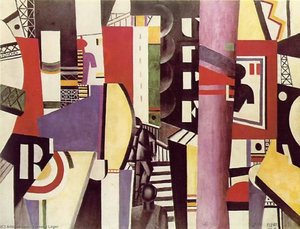
Fernand Léger's "Composition" is not merely a painting; it’s an assertion, a vibrant declaration of the burgeoning machine age rendered in bold, unapologetic color. Executed by one of the most significant figures of early 20th-century art, this work exemplifies Léger’s unique approach to Cubism – a style he deliberately sought to infuse with the energy and geometry of industrial forms rather than simply abstracting them into pure shapes. The painting immediately commands attention with its central red circle, a powerful motif that echoes both the sun and the mechanical heart of modern industry. Surrounding this dominant form are a carefully orchestrated array of geometric elements – blues, yellows, and browns – each contributing to a dynamic tension that reflects Léger’s fascination with movement and transformation.
Léger's artistic journey was profoundly shaped by his upbringing in rural Normandy. Witnessing the physical labor of farming instilled in him an appreciation for form, structure, and the raw materials of the world. This experience later translated into a deliberate engagement with the aesthetics of machinery – locomotives, factories, and urban landscapes – which he depicted not as romanticized subjects but as powerful, almost sculptural entities. “Composition” embodies this approach perfectly. The circles, particularly the prominent red one, can be interpreted as representations of wheels, gears, or even the sun itself, symbolizing both creation and destruction, progress and potential danger. The keyhole shape adds a layer of intrigue, perhaps suggesting access to hidden mechanisms or a glimpse into an unseen world.
While Léger was influenced by the pioneering work of Pablo Picasso and Georges Braque – the founders of Cubism – he forged his own distinct path. Unlike his contemporaries, who often fragmented objects into multiple viewpoints, Léger retained a sense of solidity and mass within his compositions. His use of color is particularly noteworthy; it’s not muted or restrained but intensely saturated, reflecting the vibrancy and energy of the industrial world. The application of paint – likely built up in thick impasto layers – adds to the tactile quality of the work, further emphasizing its connection to physical form. This technique contributes significantly to the painting's powerful presence.
"Composition" transcends a simple depiction of geometric shapes; it evokes a complex range of emotions and ideas. The juxtaposition of organic forms (the circles) with mechanical ones speaks to the ongoing tension between humanity and technology, nature and industry. The painting’s dynamism invites contemplation about the future – a future increasingly defined by machines and urban landscapes. Léger's work is ultimately optimistic, celebrating the potential for innovation and progress while acknowledging the inherent challenges of this transformative era. The bold colors and assertive forms create an immediate emotional impact, drawing the viewer into a world of powerful visual statements.

1881 - 1955 , 프랑스
페르낭 레제의 최고 걸작 25선을 만나보세요. 큐비즘, 추상 미술의 거장이 그린 명작들의 탄생 비화와 예술적 의미를 탐구합니다. BuyPopArt에서 고품질 아트 프린트와 인테리어 액자로 공간에 예술을 더하세요. 지금 바로 컬렉션을 확인하세요!

Explore the profound geometric mastery of Fernand Léger. Discover how his 'Tubism' and Machine Age aesthetics redefined modern art, offering timeless inspiration for discerning collectors seeking to integrate Cubist dynamism into sophisticated contemporary interiors.

Explore the art of transforming spaces with our comprehensive guide to wall decor. From historical movements to contemporary trends, discover how to curate impactful interiors and commission bespoke artwork for a truly personalized aesthetic.

Explore 10 iconic artworks capturing the Industrial Revolution’s grit & beauty. From Monet to Manet, discover realism, impressionism & powerful scenes of urban life. Find museum-quality reproductions for your home at BuyPopArt.com.

호텔 디자인에 프레스코를 활용하는 방법부터 기법, 트렌드까지 완벽 가이드! BuyPopArt.com에서 전문가의 아트 컨설팅을 받고 공간에 특별한 가치를 더하세요. 맞춤 제작 및 소싱 문의 환영.


최신 미술 뉴스, 특별 혜택 및 인테리어 아이디어를 가장 먼저 만나보세요.
프로젝트에 대해 알려주시면 저희 미술 전문가들이 맞춤형 아트 제안 3가지를 전달해 드립니다.
당신만을 위한 맞춤형 옵션 3가지를 무료로 추천해 드립니다!


 미리보기
미리보기
 공유하기
공유하기 공유하기
공유하기
 상세 정보
상세 정보

 다운로드
다운로드
 유사 작품
유사 작품 X-레이
X-레이 슬라이드 쇼

 더 보기
더 보기









 유리 옵션은 110cm 미만 크기에서만 선택 가능합니다.