빠른 제작과 다양한 마감 옵션을 제공하는 박물관 품질의 지클레이 또는 캔버스 프린트. ( 수제 페인팅으로 전환하기 이미지로 전환)





























작품의 원본 비율을 유지하는 미리 설정된 크기 중에서 선택하세요.

특정 프레임이나 공간에 맞춰 직접 치수를 입력하실 수 있습니다. 선택하신 사이즈가 원본 이미지의 비율과 일치하지 않을 경우, 작품을 크롭(자르기)하거나 이미지를 대칭 또는 단색 채우기로 확장하여 제작합니다. 제작 시작 전, 최종 확인을 위해 디지털 목업이 전송됩니다.
화면상의 미리보기는 실제 크롭이나 확장 상태를 반영하지 않으므로, 최종 구도는 오직 목업을 통해서만 정확하게 확인하실 수 있습니다.
맞춤 사이즈 제작도 가능하지만, 원본 비율을 유지하기 위해서는 사전 정의된 목록에서 치수를 선택하시는 것을 권장합니다.

Roofs
복제본 크기
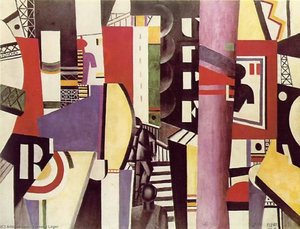
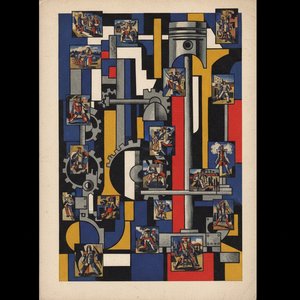
Fernand Léger's "Roofs," painted during a period of profound societal transformation, is more than just a depiction of a city scene; it’s a visceral embodiment of the anxieties and aspirations surrounding the rise of industrial modernity. The painting immediately commands attention with its dramatic composition – buildings choked by billowing smoke, figures scattered amidst the chaos, and two birds seemingly adrift in this turbulent landscape. Léger, born Joseph Fernand Henri Léger in 1881 in Argentan, Normandy, was a key figure in the development of Cubism, yet his work transcends simple geometric abstraction. He sought to translate the impact of the machine age – its raw power, its fragmented forms, and its unsettling influence on human life – into a powerfully expressive visual language.
Léger’s artistic journey began with an interest in architecture, but his relocation to Paris around 1900 proved transformative. He quickly immersed himself in the burgeoning avant-garde scene, rejecting purely abstract approaches that distanced art from reality. Instead, he embraced a method of “analytical cubism,” meticulously dissecting objects and figures into geometric components – cylinders, cones, and planes – before reassembling them in a fragmented yet dynamic composition. In "Roofs," this technique is evident in the angular forms of the buildings, rendered with a deliberate sense of distortion that reflects their mechanical nature. The smoke itself isn’t merely atmospheric; it's a visual representation of the industrial processes churning at the heart of the city, a tangible manifestation of its relentless energy.
The inclusion of two birds within the composition is particularly significant. Often interpreted as symbols of freedom and escape, their presence amidst the urban turmoil suggests a yearning for respite from the pressures of modern life. The scattered figures, rendered with varying degrees of detail, contribute to the painting’s sense of unease and urgency. They are not heroic or idealized; rather, they represent ordinary individuals grappling with the consequences of rapid industrialization – perhaps overwhelmed by its scale, or searching for meaning within its disorienting landscape. Léger masterfully evokes a feeling of both fascination and apprehension, inviting the viewer to contemplate the complex relationship between humanity and technology.
Léger’s technique in “Roofs” is characterized by bold brushstrokes and a deliberate use of color. While the palette leans towards muted tones – grays, browns, and ochres – punctuated by flashes of red and yellow within the smoke, this restraint amplifies the painting's dramatic impact. The artist employed a layering technique, building up the composition through multiple applications of paint, creating a textured surface that adds to the sense of depth and dynamism. This meticulous approach is characteristic of Léger’s commitment to capturing the essence of form and texture, reflecting his fascination with the physicality of industrial materials.
"Roofs" stands as a powerful testament to Fernand Léger's pioneering vision. It is a painting that speaks directly to our contemporary concerns about urbanization, technological advancement, and the human condition in an age of rapid change. Its enduring appeal lies not only in its formal qualities – its masterful use of cubist principles – but also in its profound emotional resonance. A hand-painted reproduction of this artwork offers a unique opportunity to experience Léger’s artistic genius firsthand, bringing a touch of modernist drama and intellectual depth to any interior space.
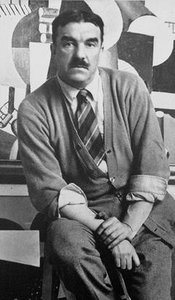
1881 - 1955 , 프랑스

Explore the rich history of figure painting from antiquity to the Renaissance! Discover iconic artworks, masterful techniques & enduring symbolism. Find museum-quality reproductions at BuyPopArt.
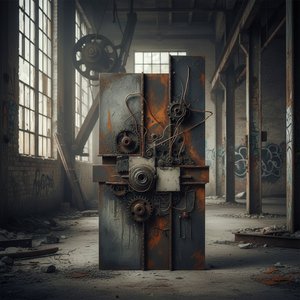
Explore the captivating world of industrial aesthetics in modern art. Discover key movements, influential artists & collecting insights at BuyPopArt.com – your source for museum-quality reproductions and expert art guidance.

Explore 10 iconic artworks capturing the Industrial Revolution’s grit & beauty. From Monet to Manet, discover realism, impressionism & powerful scenes of urban life. Find museum-quality reproductions for your home at BuyPopArt.com.

피카소, 브라크의 큐비즘 걸작 10선! 혁신적인 예술 세계를 만나보세요. 각 작품의 숨겨진 이야기와 감동을 BuyPopArt에서 경험하고, 당신의 공간에 특별한 예술적 영감을 더하세요. 지금 바로 BuyPopArt.com에서 모든 명작을 발견해보세요!
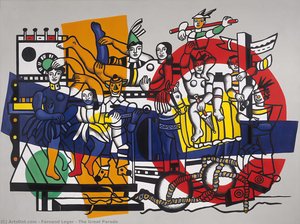
페르낭 레제의 최고 걸작 25선을 만나보세요. 큐비즘, 추상 미술의 거장이 그린 명작들의 탄생 비화와 예술적 의미를 탐구합니다. BuyPopArt에서 고품질 아트 프린트와 인테리어 액자로 공간에 예술을 더하세요. 지금 바로 컬렉션을 확인하세요!


최신 미술 뉴스, 특별 혜택 및 인테리어 아이디어를 가장 먼저 만나보세요.
프로젝트에 대해 알려주시면 저희 미술 전문가들이 맞춤형 아트 제안 3가지를 전달해 드립니다.
당신만을 위한 맞춤형 옵션 3가지를 무료로 추천해 드립니다!


 미리보기
미리보기
 공유하기
공유하기 공유하기
공유하기
 상세 정보
상세 정보

 다운로드
다운로드
 유사 작품
유사 작품 X-레이
X-레이 슬라이드 쇼

 더 보기
더 보기









 유리 옵션은 110cm 미만 크기에서만 선택 가능합니다.