
빠른 제작과 다양한 마감 옵션을 제공하는 박물관 품질의 지클레이 또는 캔버스 프린트. ( 손으로 그린 그림 구매 이미지 구매)
작품의 원본 비율을 유지하는 미리 설정된 크기 중에서 선택하세요.

특정 프레임이나 공간에 맞춰 직접 치수를 입력하실 수 있습니다. 선택하신 사이즈가 원본 이미지의 비율과 일치하지 않을 경우, 작품을 크롭(자르기)하거나 이미지를 대칭 또는 단색 채우기로 확장하여 제작합니다. 제작 시작 전, 최종 확인을 위해 디지털 목업이 전송됩니다.
화면상의 미리보기는 실제 크롭이나 확장 상태를 반영하지 않으므로, 최종 구도는 오직 목업을 통해서만 정확하게 확인하실 수 있습니다.
맞춤 사이즈 제작도 가능하지만, 원본 비율을 유지하기 위해서는 사전 정의된 목록에서 치수를 선택하시는 것을 권장합니다.

Seaport
복제본 크기
Born in The Hague around 1630, Hans de Jode – sometimes referred to as Jan de Jode – emerged as a significant figure in the Dutch Golden Age, though his life and career unfolded somewhat outside the conventional trajectory of many of his contemporaries. While Rembrandt van Rijn and Willem van der Velde undoubtedly influenced his early artistic development, De Jode’s path led him away from the familiar landscapes of Holland towards the vibrant, sun-drenched shores of Venice and the imperial grandeur of Vienna – a journey that profoundly shaped his distinctive style and subject matter. His relatively short life, ending after 1663, leaves us with a poignant collection of works that offer glimpses into a talented artist grappling with both artistic evolution and personal circumstance.
De Jode’s early years remain shrouded in some mystery. Information about his formal training is scarce, suggesting he may have honed his skills through independent study or perhaps under the tutelage of a local master before embarking on his travels. It's believed that the Dutch masters, particularly their emphasis on light and atmosphere, provided a foundational understanding for his later work. However, unlike many artists who spent years perfecting their craft in Holland, De Jode’s ambition led him to seek artistic stimulation and new perspectives abroad, a decision that ultimately defined much of his career.
De Jode's relocation to Venice around 1656 marked a pivotal moment in his artistic development. The city’s rich history as a center for trade and maritime activity, coupled with its stunning light and color, profoundly impacted his style. Here, he encountered artists like Johann Anton Eismann and Joseph Heintz the Younger, whose dramatic compositions and masterful use of light undoubtedly influenced his own approach to marine painting. The Venetian atmosphere fostered a shift towards bolder brushstrokes, brighter palettes, and a heightened sense of movement – characteristics that would become hallmarks of his later work.
Venice provided De Jode with an unparalleled opportunity to study the sea firsthand. He meticulously observed ships in harbor, capturing their intricate rigging, billowing sails, and the dynamic interplay of light on water. This direct engagement with maritime life fueled a passion for depicting harbors, shipwrecks, and coastal scenes – subjects that would dominate his oeuvre. His paintings are not merely representations of these scenes; they’re imbued with a palpable sense of drama and excitement, conveying the power and unpredictability of the ocean.
De Jode's artistic style is characterized by a remarkable blend of Dutch realism and Venetian theatricality. His marine paintings are particularly noteworthy for their attention to detail – from the individual planks of a ship’s hull to the subtle reflections on the water’s surface. Yet, he avoids mere documentation, instead imbuing his scenes with a dramatic intensity that elevates them beyond simple depictions of reality. His use of light is masterful, creating a sense of atmosphere and depth that draws the viewer into the heart of the scene.
Beyond his maritime works, De Jode also produced stunning Italianate landscapes influenced by his time in Venice and Vienna. These paintings showcase his ability to capture the beauty of the natural world – rolling hills, verdant valleys, and dramatic mountain ranges – with a sensitivity that rivals the great landscape masters. His compositions often incorporate elements of classical architecture and mythology, reflecting the artistic influences he encountered during his travels.
Among De Jode’s most celebrated works is “Seaport,” a rare Dutch landscape painting that offers a captivating glimpse into maritime life. The painting's atmospheric quality and dramatic composition have earned it recognition as a significant example of 17th-century art. Another notable piece, "Marine Painting," demonstrates his skill in capturing the movement and power of the sea with remarkable dynamism. His work is now housed in prestigious museums such as the Mauritshuis in The Hague and the Castelvecchio Museum in Verona, Italy, ensuring that his artistic legacy continues to be appreciated by art enthusiasts worldwide.
Despite a relatively short career, Hans de Jode left an indelible mark on the Dutch painting tradition. His innovative approach to marine painting, combined with his masterful command of light and color, established him as a unique and influential artist – a testament to the transformative power of travel and artistic exploration.

1630 - 1663 , Netherlands

APS ofrece reproducciones de bellas artes y encargos personalizados desde 2004. Confían en nosotros corporaciones, hoteles y coleccionistas selectos para obras de arte de calidad museística, servicio discreto y soluciones artísticas completas. ¡Póngase en contacto con nosotros para obtener un presupuesto personalizado!
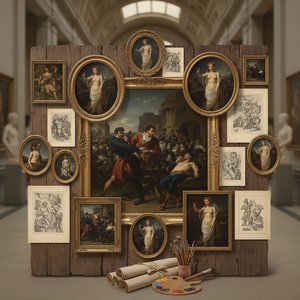
고야의 걸작 25선을 만나보세요. 스페인 화가 Francisco Goya의 낭만주의 회화, 어두운 색조와 강렬한 감성이 담긴 명화를 BuyPopArt에서 감상하세요. 고품질 유화 복제본으로 예술 작품을 소장하고 홈 데코를 완성해보세요! 지금 바로 컬렉션을 탐험하세요.

Discover the breathtaking beauty of Dutch Golden Age landscapes. Explore the mastery of light, chiaroscuro, and 17th-century realism through an expert art history lens, celebrating the enduring legacy of the Dutch Masters for discerning collectors and art lovers.
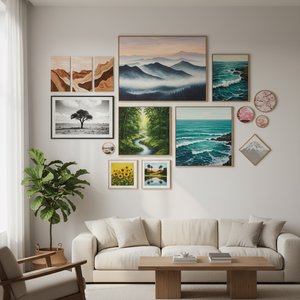
Journey through 10 breathtaking landscape paintings by Monet, Van Gogh & more! Explore iconic artworks, artistic techniques & find inspiration for your home decor. Museum-quality reproductions at BuyPopArt.com. Discover all masterpieces on BuyPopArt.com

Discover Jan van Goyen, the master of Dutch landscape painting. Explore his subtle technique, atmospheric realism & lasting influence on art history. Learn about this 17th-century pioneer at BuyPopArt.


최신 미술 뉴스, 특별 혜택 및 인테리어 아이디어를 가장 먼저 만나보세요.
프로젝트에 대해 알려주시면 저희 미술 전문가들이 맞춤형 아트 제안 3가지를 전달해 드립니다.
당신만을 위한 맞춤형 옵션 3가지를 무료로 추천해 드립니다!


 미리보기
미리보기
 공유하기
공유하기 공유하기
공유하기
 상세 정보
상세 정보

 다운로드
다운로드
 유사 작품
유사 작품 X-레이
X-레이 슬라이드 쇼


 더 보기
더 보기






































 유리 옵션은 110cm 미만 크기에서만 선택 가능합니다.


