
 PaintingBalinese Traditional
 Modern
 58.0 x 43.0 cm
 후쿠오카 아시아 미술관




























작품의 원본 비율을 유지하는 미리 설정된 크기 중에서 선택하세요.

특정 프레임이나 공간에 맞도록 직접 크기를 입력할 수 있습니다. 선택하신 크기가 원본 이미지의 비율과 일치하지 않는 경우, 작품을 자르거나 추가적인 손으로 그린 요소를 사용하여 그림을 확장합니다. 제작 시작 전 승인을 위해 디지털 목업을 보내드립니다.
화면 미리 보기는 실제 자르기 또는 확장을 반영하지 않습니다. 최종 구성은 목업을 통해서만 정확하게 확인하실 수 있습니다.
맞춤 크기 제작도 가능하지만, 원본 비율을 유지하기 위해 사전 정의된 목록에서 크기를 선택하시는 것을 권장합니다.

Cremation
복제본 크기
Born in the heart of Bali, Indonesia, in Batuan – a village renowned for its traditional artistry – I Ketut Sadia emerged as a painter deeply connected to his cultural roots. While precise details surrounding his birthdate remain elusive, his artistic journey began under the tutelage of two pivotal figures: his father, I Wayan Taweng, and his brother, I Wayan Bendi. This familial grounding in Balinese painting techniques proved foundational, shaping not only his technical skills but also instilling a profound understanding of the island’s rich symbolism and spiritual narratives.
Batuan's artistic landscape is steeped in centuries-old traditions, characterized by intricate detail, vibrant colors, and depictions of daily life interwoven with mythological themes. Sadia’s early work reflects this heritage, showcasing a mastery of the *kamasan* style – a classical Balinese painting tradition known for its narrative complexity and use of stylized figures. However, he didn't simply replicate established forms; even in his formative years, a unique voice began to emerge. He actively sought opportunities to exhibit his art both within Indonesia and internationally, gaining recognition at prestigious venues like the Arma Museum, Puri Painting Museum, and Neka Museum. This exposure broadened his perspective while simultaneously reinforcing his commitment to preserving Balinese artistic identity.
Sadia’s oeuvre is particularly compelling for its poignant exploration of themes surrounding cremation – a central ritual in Balinese Hinduism. His most celebrated work, ‘Cremation,’ created in 1985, offers a powerful visual meditation on this transformative process. The painting isn't merely a depiction of the ceremony itself; it’s a layered commentary on life, death, and rebirth. Foreign tourists observing the funeral procession are included, adding a contemporary dimension to the traditional scene. This juxtaposition invites viewers to contemplate not only the cultural significance of cremation but also its universal human resonance. The artist skillfully presents Bali as seen through his own eyes, capturing both the spectacle and the spiritual depth of this ancient practice.
What sets Sadia apart is his ability to seamlessly blend traditional techniques with a contemporary sensibility. While deeply rooted in Balinese aesthetics, his work isn’t static or imitative. He introduces subtle modern motifs and perspectives, creating paintings that feel both timeless and relevant. His use of acrylic on paper allows for a fluidity and vibrancy that enhances the emotional impact of his scenes. The inclusion of everyday elements alongside sacred imagery grounds his art in reality, making it accessible to a wider audience while retaining its profound spiritual core.
I Ketut Sadia’s contributions extend beyond individual artworks; he represents a vital link between generations of Balinese painters. His dedication to preserving traditional techniques while embracing contemporary expression ensures the continued evolution of this unique artistic heritage. His work has been featured on Google Arts & Culture, further amplifying his reach and introducing his art to a global audience. As evidenced by auction records, his paintings are increasingly sought after by collectors worldwide, solidifying his position as a significant figure in Indonesian art. Sadia’s legacy lies not only in the beauty of his creations but also in his unwavering commitment to honoring the spiritual heart of Bali through the power of paint.

Indonesia

조르주 브라크의 시대를 초월한 25개의 걸작을 만나보세요. 입체주의를 개척한 프랑스 화가의 예술 세계와 숨겨진 이야기를 BuyPopArt에서 감상하고, 명작 유화 복제본으로 공간에 특별함을 더하세요. 지금 바로 컬렉션을 탐험하세요!
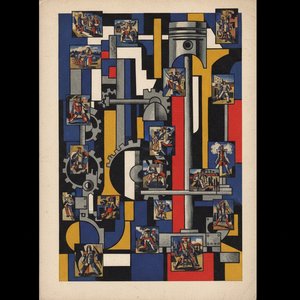
페르낭 레제의 최고 걸작 25선을 만나보세요. 큐비즘, 추상 미술의 거장이 그린 명작들의 탄생 비화와 예술적 의미를 탐구합니다. BuyPopArt에서 고품질 아트 프린트와 인테리어 액자로 공간에 예술을 더하세요. 지금 바로 컬렉션을 확인하세요!
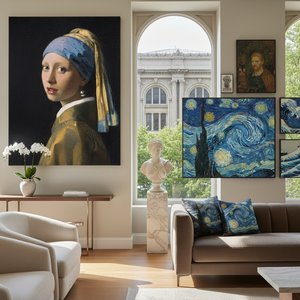
뉴욕 메트로폴리탄 미술관 최고 걸작 25선을 만나보세요. 반 고흐, 모네 등 거장들의 숨겨진 이야기와 예술의 정수를 감상하세요. 홈 데코를 위한 명화 복제 작품은 BuyPopArt에서! 지금 바로 컬렉션을 탐험하세요.
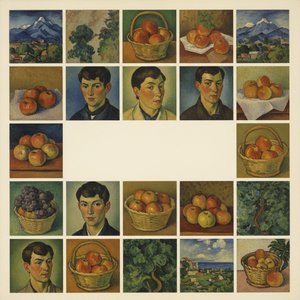
폴 세잔의 시대를 초월하는 명작 25점을 만나보세요. 인상주의를 넘어 후기 인상주의를 개척한 화가의 예술 세계와 정물화, 풍경화 속 숨겨진 이야기를 BuyPopArt에서 감상하세요. 고품질 아트 프린트와 캔버스 액자로 공간에 예술을 더해보세요! 지금 바로 컬렉션을 탐험하세요.
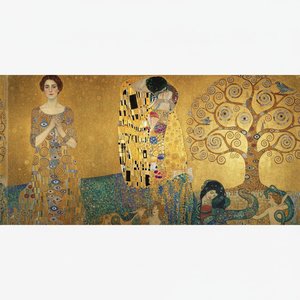
구스타프 클림트의 황홀한 명작 25선을 만나보세요. '키스'부터 '주디트'까지, 빈 분리주의를 대표하는 예술가의 삶과 작품 세계를 탐험합니다. 오스트리아 화가 클림트의 걸작으로 공간에 특별한 감성을 더하세요. BuyPopArt.com에서 고품질 유화 복제를 만나보세요.


최신 미술 뉴스, 특별 혜택 및 인테리어 아이디어를 가장 먼저 만나보세요.
프로젝트에 대해 알려주시면 저희 미술 전문가들이 맞춤형 아트 제안 3가지를 전달해 드립니다.
당신만을 위한 맞춤형 옵션 3가지를 무료로 추천해 드립니다!


 미리보기
미리보기
 프린트 구매
 공유하기
공유하기 공유하기
공유하기
 상세 정보
상세 정보

 다운로드
다운로드
 유사 작품
유사 작품 X-레이
X-레이 슬라이드 쇼
 더 보기
더 보기









 유리 옵션은 110cm 미만 크기에서만 선택 가능합니다.


