

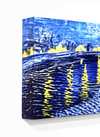
빠른 제작과 다양한 마감 옵션을 제공하는 박물관 품질의 지클레이 또는 캔버스 프린트. ( 수제 페인팅으로 전환하기 이미지로 전환)
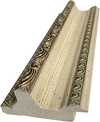
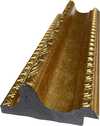
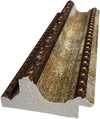
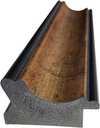
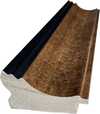
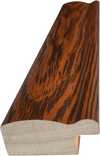
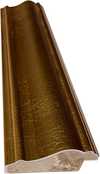
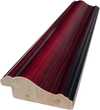
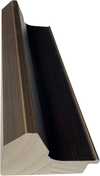
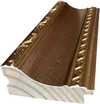
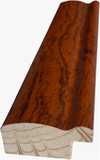
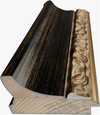
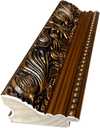
작품의 원본 비율을 유지하는 미리 설정된 크기 중에서 선택하세요.

특정 프레임이나 공간에 맞춰 직접 치수를 입력하실 수 있습니다. 선택하신 사이즈가 원본 이미지의 비율과 일치하지 않을 경우, 작품을 크롭(자르기)하거나 이미지를 대칭 또는 단색 채우기로 확장하여 제작합니다. 제작 시작 전, 최종 확인을 위해 디지털 목업이 전송됩니다.
화면상의 미리보기는 실제 크롭이나 확장 상태를 반영하지 않으므로, 최종 구도는 오직 목업을 통해서만 정확하게 확인하실 수 있습니다.
맞춤 사이즈 제작도 가능하지만, 원본 비율을 유지하기 위해서는 사전 정의된 목록에서 치수를 선택하시는 것을 권장합니다.

The Embroiders
복제본 크기
Born in the heart of Paris in 1703, Jacques-André Portail emerged as a significant figure within the vibrant artistic landscape of 18th-century France. More than simply a painter and draftsman, he was a respected academician, a dedicated teacher, and a meticulous observer of the world around him – a combination that profoundly shaped his distinctive style and enduring legacy. His life coincided with a period of remarkable artistic flourishing, marked by the influence of Chardin’s quiet realism and Watteau’s playful elegance, and Portail skillfully absorbed these currents while forging his own unique voice.
Portail's early training instilled in him a rigorous approach to technique and composition. He joined the prestigious Royal Academy of Painting and Sculpture in Paris, a crucial step that afforded him access to resources, mentorship, and opportunities for exposure. However, it was his role as a teacher at the academy that arguably cemented his influence. He guided the talents of future luminaries such as Jean-Honoré Fragonard, imparting not only technical skills but also a refined sensibility for capturing fleeting moments and subtle nuances of human expression. This dedication to nurturing young artists speaks volumes about Portail’s commitment to the advancement of French art.
Portail's artistic style is often described as a harmonious blend of restraint and detail, reflecting the prevailing trends of his era while maintaining a distinctly personal aesthetic. He was particularly adept at working in chalk and engraving, mediums that allowed him to achieve remarkable precision and tonal subtlety. His portraits are characterized by an understated elegance – figures rendered with careful attention to posture, expression, and attire, conveying a sense of quiet dignity and refined taste. He avoided the overtly dramatic gestures favored by some of his contemporaries, instead opting for a more subtle approach, focusing on capturing the essence of his subjects rather than merely depicting their outward appearance.
The influence of Jean-Baptiste-Siméon Chardin is readily apparent in Portail’s landscapes and genre scenes. Like Chardin, he possessed an extraordinary ability to imbue everyday objects and moments with a sense of profound beauty and quiet contemplation. Conversely, the influence of Antoine Watteau, particularly his *fêtes galantes*, can be detected in Portail's more lighthearted works – scenes of aristocratic leisure and romantic encounters, rendered with a delicate grace and a penchant for pastel hues. However, Portail’s work transcends mere imitation; he synthesized these influences into a cohesive style that is both refined and deeply personal.
Portail's artistic output encompassed a diverse range of subjects, from meticulously rendered landscapes to intimate portraits and even detailed topographical maps. One particularly noteworthy example is *Partie du Gange où sont des établissements du commerce des Nations de l’Europe dans les Indes orientales*, a rare early 18th-century map showcasing European trading posts along the Hooghly River in Bengal. This piece, now housed at the Kalakriti Archives in Hyderabad, India, demonstrates Portail's skill in capturing the complexities of colonial trade and the intricate details of geographical representation.
His portraits and landscapes, frequently exhibited and sought after by discerning collectors, are testaments to his artistic prowess. The Musée Maurice Denis in France holds several examples of his work, including a captivating study of a reclining male nude, showcasing his mastery of line and form. The Art Institute of Chicago also features a significant collection of Portail’s drawings, offering valuable insights into his creative process. Furthermore, Jacques André Portail's works are found at the Getty Museum and National Gallery of Art.
Beyond his individual achievements, Jacques-André Portail played a crucial role in shaping the careers of numerous aspiring artists. His influence can be seen in the work of those he mentored, particularly Fragonard, who adopted many of Portail’s techniques and sensibilities. Portail's legacy extends far beyond his own paintings; he served as a vital link between generations of French artists, ensuring that his artistic principles and aesthetic values would continue to resonate throughout the 18th century and beyond.
As a teacher and observer, Portail’s work offers a valuable window into the cultural and artistic currents of his time. His meticulous attention to detail, combined with his profound understanding of human nature, has secured his place as a foundational figure in French art history – an artist whose elegance and refinement continue to captivate audiences today.

1703 - 1777 , France

Explore the captivating history of elegance in art, from Rococo's grace to Romanticism’s passion. Discover investment-worthy masterpieces & expert guidance for building your collection with BuyPopArt.

인공지능 기반 사진 예술 생성의 미학적 잠재력과 개인적 표현에 대한 심층 분석! 전문가가 엄선한 정보로 AI 아트의 현재와 미래를 탐구하고, 창작 영감을 얻으세요. BuyPopArt.com에서 더 많은 예술 인사이트를 만나보세요.
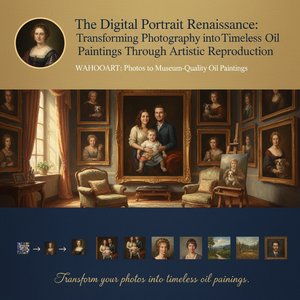
Transform your cherished photos into timeless oil paintings with BuyPopArt's expert artists. Museum-quality reproductions & custom portraits, crafted to last a lifetime. Discover the art of personal legacy.

Explore the rich history of portrait painting with expert insights into Renaissance masterpieces & modern innovations. Discover artists, movements & commission a custom oil painting at BuyPopArt.

Explore the exquisite botanical illustrations of Jacques Barraband (1767-1809). Discover his stunningly accurate bird paintings, commissioned by Napoleon, and learn about his lasting legacy in art & science. Shop museum-quality reproductions at BuyPopArt.


최신 미술 뉴스, 특별 혜택 및 인테리어 아이디어를 가장 먼저 만나보세요.
프로젝트에 대해 알려주시면 저희 미술 전문가들이 맞춤형 아트 제안 3가지를 전달해 드립니다.
당신만을 위한 맞춤형 옵션 3가지를 무료로 추천해 드립니다!


 미리보기
미리보기
 공유하기
공유하기 공유하기
공유하기
 상세 정보
상세 정보

 다운로드
다운로드
 유사 작품
유사 작품 X-레이
X-레이 슬라이드 쇼

 더 보기
더 보기
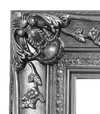


 유리 옵션은 110cm 미만 크기에서만 선택 가능합니다.


