
x


 1735
1735 76.0 x 63.0 cm
작품의 원본 비율을 유지하는 미리 설정된 크기 중에서 선택하세요.

특정 프레임이나 공간에 맞도록 직접 크기를 입력할 수 있습니다. 선택하신 크기가 원본 이미지의 비율과 일치하지 않는 경우, 작품을 자르거나 추가적인 손으로 그린 요소를 사용하여 그림을 확장합니다. 제작 시작 전 승인을 위해 디지털 목업을 보내드립니다.
화면 미리 보기는 실제 자르기 또는 확장을 반영하지 않습니다. 최종 구성은 목업을 통해서만 정확하게 확인하실 수 있습니다.
맞춤 크기 제작도 가능하지만, 원본 비율을 유지하기 위해 사전 정의된 목록에서 크기를 선택하시는 것을 권장합니다.

Arabelle Pennant
복제본 크기
James Fellowes, a British portrait painter active primarily in the late 17th and early 18th centuries, remains a somewhat enigmatic figure within the broader landscape of English art. While his output wasn’t vast—approximately thirty-five known portraits survive—his work possesses a distinctive quality, particularly in its focus on clergymen and figures associated with the Jacobite cause, offering a fascinating glimpse into the religious and political currents of the era. Fellowes' career unfolded during a period of significant social and artistic transition, marked by the rise of Rococo influences alongside the enduring traditions of English portraiture. His paintings are not merely representations of individuals; they’re imbued with a subtle theatricality and an awareness of historical context that elevates them beyond simple likenesses.
Born around 1690 (the exact year remains uncertain), Fellowes' early life is shrouded in relative obscurity. He emerged as a painter during the reign of Queen Anne, a period characterized by political instability and religious divisions. The Jacobite uprisings, fueled by aspirations to restore the Stuart monarchy, cast a long shadow over England, influencing artistic themes and subject matter. It’s within this context that Fellowes' penchant for depicting clergymen—many of whom held sympathies towards the exiled James III—becomes particularly significant. His portraits weren’t simply commissions; they were often carefully constructed statements about allegiance and social standing.
Fellowes’ most celebrated works include his depictions of Thomas Wilson, Bishop of Sodor and Man, a prominent figure in the Church of England who also held Jacobite leanings. The portrait, engraved by Vertue in 1726, is notable for its carefully staged composition—Wilson is presented within a richly decorated chamber, subtly referencing the grandeur of the Stuart court. Similarly, his portrayal of Laurence Howell, the nonjuror bishop, showcases a similar attention to detail and symbolic resonance. Howell’s refusal to swear allegiance to George II after the Hanoverian succession marked him as a controversial figure, and Fellowes skillfully captures this complexity through subtle gestures and expressions.
Fellowes' artistic style is characterized by a blend of realism and theatricality. He demonstrated a keen eye for capturing individual character—particularly in the eyes—while simultaneously employing techniques borrowed from the Rococo tradition. His use of light and shadow creates a sense of drama, and his compositions are often carefully arranged to convey specific meanings. A particularly intriguing example is his painting of Humphrey Gower, Master of St John’s College, Cambridge, which was later altered after causing offense due to its depiction of Judas Iscariot. This anecdote highlights the sensitivity surrounding religious imagery at the time and reveals Fellowes' willingness to adapt his work to meet prevailing sensibilities.
Perhaps the most enduring legacy of James Fellowes is his creation of a “Last Supper” painting, commissioned by the Jacobite rector of St Mary, Whitechapel, Dr Richard Welton. This dramatic depiction, placed over the communion table in the church, featured Dr. White Kennett portrayed as Judas Iscariot—a deliberate and provocative act designed to signal allegiance to the exiled Stuart dynasty. The image caused considerable uproar, leading to its alteration by the Bishop of London, yet it remains a testament to Fellowes’ willingness to engage with politically charged subject matter.
The ‘Last Supper’ is not merely a religious scene; it's a carefully constructed symbol of Jacobite resistance. Fellowes meticulously crafted the portrait to ensure that Kennett’s features were unmistakable, effectively communicating the intended message. This work demonstrates his understanding of how art could be used as a tool for political expression and underscores the importance of religious imagery within the broader context of the era.
Despite the relative obscurity surrounding his life, James Fellowes’ contribution to English portraiture is significant. His portraits offer valuable insights into the religious and political landscape of 18th-century England, particularly during a period marked by Jacobite sympathies and social unrest. While he may not be as widely celebrated as some of his contemporaries, his work continues to fascinate art historians and collectors alike.
Fellowes’ paintings are now housed in several prominent collections, including the Manchester Art Gallery and the National Portrait Gallery. His legacy endures through his ability to capture both the outward appearance and inner character of his subjects—and to imbue those portraits with a subtle sense of historical significance. He stands as a reminder that art can be not only aesthetically pleasing but also a powerful tool for expressing political beliefs and social commentary.

1690 - 1760


최신 미술 뉴스, 특별 혜택 및 인테리어 아이디어를 가장 먼저 만나보세요.
프로젝트에 대해 알려주시면 저희 미술 전문가들이 맞춤형 아트 제안 3가지를 전달해 드립니다.
당신만을 위한 맞춤형 옵션 3가지를 무료로 추천해 드립니다!


 프린트 구매하기
 공유하기
공유하기 공유하기
공유하기
 상세 정보
상세 정보

 다운로드
다운로드
 유사 작품
유사 작품 X-레이
X-레이 슬라이드 쇼
 더 보기
더 보기
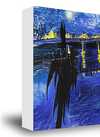
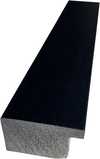
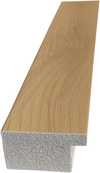
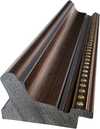
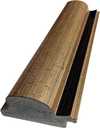
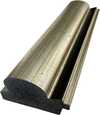
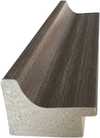
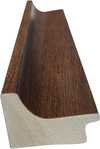
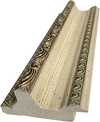
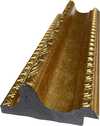
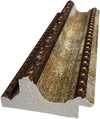
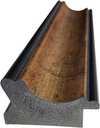
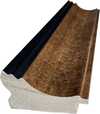
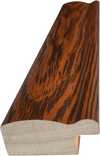
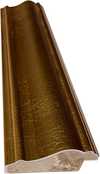
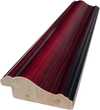
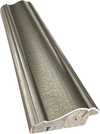
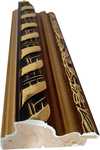
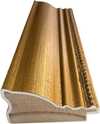
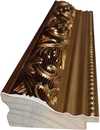
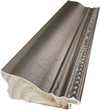
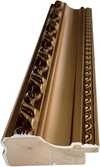
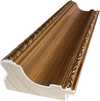
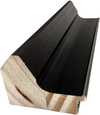
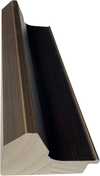
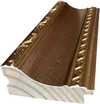
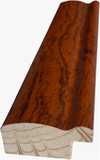
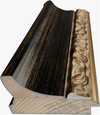
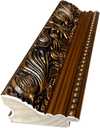
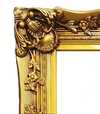
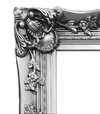
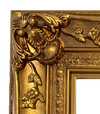
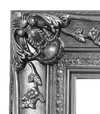


 유리 옵션은 110cm 미만 크기에서만 선택 가능합니다.


