빠른 제작과 다양한 마감 옵션을 제공하는 박물관 품질의 지클레이 또는 캔버스 프린트. ( 손으로 그린 그림 구매 이미지 구매)





























작품의 원본 비율을 유지하는 미리 설정된 크기 중에서 선택하세요.

특정 프레임이나 공간에 맞춰 직접 치수를 입력하실 수 있습니다. 선택하신 사이즈가 원본 이미지의 비율과 일치하지 않을 경우, 작품을 크롭(자르기)하거나 이미지를 대칭 또는 단색 채우기로 확장하여 제작합니다. 제작 시작 전, 최종 확인을 위해 디지털 목업이 전송됩니다.
화면상의 미리보기는 실제 크롭이나 확장 상태를 반영하지 않으므로, 최종 구도는 오직 목업을 통해서만 정확하게 확인하실 수 있습니다.
맞춤 사이즈 제작도 가능하지만, 원본 비율을 유지하기 위해서는 사전 정의된 목록에서 치수를 선택하시는 것을 권장합니다.

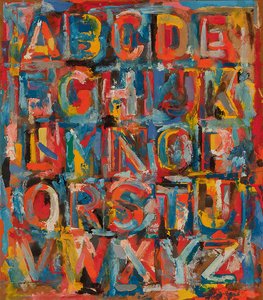
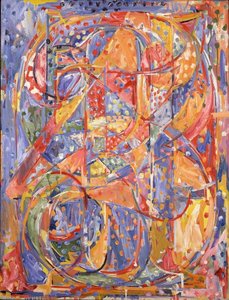
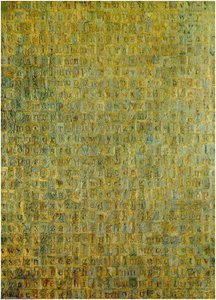
Colored alphabet
복제본 크기
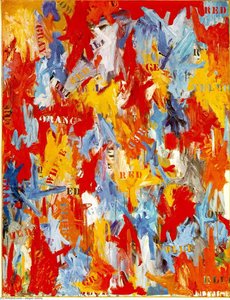
Jasper Johns' "Colored Alphabet," created around 1959, stands as a deceptively simple yet profoundly complex work within the artist’s evolving body of exploration. This painting isn’t merely an arrangement of letters; it’s a meticulously crafted meditation on perception, representation, and the very nature of meaning itself – themes central to Johns' groundbreaking approach to art in the mid-20th century. The piece immediately draws the eye with its vibrant palette, a deliberate departure from the monochrome often associated with Abstract Expressionism, aligning it subtly with the burgeoning Pop Art movement that would soon challenge traditional artistic hierarchies.
Understanding the context surrounding “Colored Alphabet” is crucial to appreciating its significance. Johns emerged during a period of intense artistic experimentation following World War II. The Abstract Expressionists, with their emphasis on raw emotion and gestural abstraction, had dominated the art scene, but Johns sought to move beyond purely subjective expression. He began to incorporate recognizable imagery – maps, flags, numbers, and, crucially, letters – into his work, transforming them into symbols that carried layers of cultural and personal meaning. This fascination with iconography reflects a broader postwar anxiety about identity, national narratives, and the increasingly mediated nature of reality.
As documented in The Art Institute of Chicago’s collection, Johns utilized stencils as a key component of his process, adding another layer of complexity to the work. This technique is evident in "Colored Alphabet," where the precise execution of each letter suggests a deliberate engagement with the tools and methods of mass production – a subtle commentary on the role of images in contemporary society.
The painting’s surface reveals Johns' meticulous attention to detail. The letters are rendered with a smooth, almost enamel-like finish, achieved through careful layering of paint. This technique creates a tactile quality that invites close examination, encouraging the viewer to consider not just what they see but also how it was made. The use of bright, saturated colors further enhances this sense of materiality, emphasizing the physicality of the artwork and challenging the traditional notion of painting as purely an illusionistic medium.
"Colored Alphabet" transcends a simple depiction of letters; it becomes a potent symbol of communication, knowledge, and perhaps even the limitations of language itself. The isolated letters disrupt our ability to read and comprehend, forcing us to confront the inherent ambiguity of representation. Johns’ work invites contemplation on how we interpret images and symbols, and how these interpretations shape our understanding of the world. It's a piece that resonates with a quiet intensity, prompting viewers to question their own perceptions and assumptions – a hallmark of Johns’ enduring artistic legacy.

1930 - , 미국

Master the high-impact world of contemporary abstraction. Discover how bold colors, textures, and modern movements like Abstract Expressionism can transform your space with premium, high-energy art curated for the design-conscious professional.

Dive into the high-energy world of Lyrical Abstraction. Explore how bold colors, fluid motion, and emotional depth define this modern masterpiece movement. Discover iconic artists and learn to bring this vibrant, soulful energy into your contemporary space.

Discover the power of Neo-Abstract art. Explore how bold geometric forms and high-impact visual energy are redefining modern design. Learn to curate sophisticated, high-energy spaces with the latest trends in contemporary abstraction and structural color.

Discover how Aggressive Pop Art is shattering minimalism to redefine urban design. Explore the high-impact trends of Neo-Pop, street style aesthetics, and bold graphic movements shaping modern interiors and contemporary culture.

Discover the electric energy of Pop Art featuring young girls. Explore a visual journey through bold, iconic street art styles, from neo-pop aesthetics to high-impact dopamine decor designed to transform your space with vibrant, contemporary culture.


최신 미술 뉴스, 특별 혜택 및 인테리어 아이디어를 가장 먼저 만나보세요.
프로젝트에 대해 알려주시면 저희 미술 전문가들이 맞춤형 아트 제안 3가지를 전달해 드립니다.
당신만을 위한 맞춤형 옵션 3가지를 무료로 추천해 드립니다!


 미리보기
미리보기
 공유하기
공유하기 공유하기
공유하기
 상세 정보
상세 정보

 다운로드
다운로드
 유사 작품
유사 작품 X-레이
X-레이 슬라이드 쇼

 더 보기
더 보기









 유리 옵션은 110cm 미만 크기에서만 선택 가능합니다.