빠른 제작과 다양한 마감 옵션을 제공하는 박물관 품질의 지클레이 또는 캔버스 프린트. ( 손으로 그린 그림 구매 이미지 구매)





























작품의 원본 비율을 유지하는 미리 설정된 크기 중에서 선택하세요.

특정 프레임이나 공간에 맞춰 직접 치수를 입력하실 수 있습니다. 선택하신 사이즈가 원본 이미지의 비율과 일치하지 않을 경우, 작품을 크롭(자르기)하거나 이미지를 대칭 또는 단색 채우기로 확장하여 제작합니다. 제작 시작 전, 최종 확인을 위해 디지털 목업이 전송됩니다.
화면상의 미리보기는 실제 크롭이나 확장 상태를 반영하지 않으므로, 최종 구도는 오직 목업을 통해서만 정확하게 확인하실 수 있습니다.
맞춤 사이즈 제작도 가능하지만, 원본 비율을 유지하기 위해서는 사전 정의된 목록에서 치수를 선택하시는 것을 권장합니다.

Placa redonda
복제본 크기
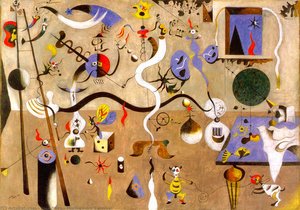
Joan Miró's “Placa redonda” is not merely a painting; it’s an invitation into a dreamscape, a visual poem brimming with the artist’s signature blend of playful abstraction and profound symbolism. This captivating work, though modest in size (the exact dimensions remain undocumented), possesses an expansive quality, drawing the viewer into its intricate world of biomorphic forms and vibrant hues. At first glance, one is struck by the prominent canine figure—a whimsical dog standing upright, almost human in posture. But to perceive this as simply a depiction of an animal would be to miss the deeper currents flowing beneath the surface. Miró wasn’t interested in replicating reality; he sought to unlock the subconscious, to translate the language of dreams and instincts onto canvas.
Born in Barcelona in 1893, Joan Miró developed a unique artistic vocabulary deeply rooted in Catalan identity and Surrealist exploration. While he briefly engaged with movements like Cubism, he quickly forged his own path, rejecting rigid structures in favor of intuitive expression. “Placa redonda” exemplifies this approach. The dog, often interpreted as a self-portrait or a representation of loyalty and companionship, is surrounded by an array of enigmatic shapes and figures. These aren’t random arrangements; they are carefully considered symbols drawn from Miró's personal mythology. The scattered forms—floating eyes, ladder-like structures, and amorphous blobs—evoke a sense of childlike wonder and primal energy. The painting isn’t about *what* is depicted but rather *how* it feels. It taps into universal archetypes, resonating with the viewer on an emotional level.
Miró's technique in “Placa redonda” is deceptively simple yet remarkably sophisticated. He employed a limited palette of primary colors—red, blue, yellow—alongside black lines to define forms and create spatial relationships. The application of paint appears fluid and spontaneous, but closer inspection reveals a meticulous control over texture and layering. He often thinned his paints, allowing them to bleed into the canvas, creating a sense of luminosity and depth. This technique contributes to the painting’s ethereal quality, as if the images are emerging from a hazy dream. The circular format itself—the “placa redonda” or round plate—adds another layer of meaning, suggesting wholeness, unity, and the cyclical nature of life.
Joan Miró’s impact on 20th-century art is undeniable. He paved the way for abstract expressionism and influenced generations of artists with his innovative use of color, form, and symbolism. “Placa redonda,” though a relatively lesser-known work compared to some of his larger canvases, encapsulates the essence of his artistic vision. It’s a testament to his ability to transform personal experiences and subconscious impulses into universally accessible works of art. For collectors and interior designers alike, a reproduction of this painting offers more than just aesthetic appeal; it provides a window into a world of imagination, inviting contemplation and sparking creativity within any space.
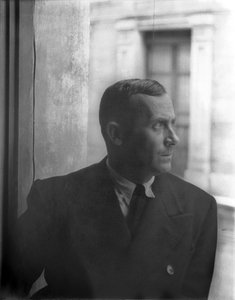
1893 - 1983 , 스페인

Master the high-impact world of contemporary abstraction. Discover how bold colors, textures, and modern movements like Abstract Expressionism can transform your space with premium, high-energy art curated for the design-conscious professional.

Discover the power of Neo-Abstract art. Explore how bold geometric forms and high-impact visual energy are redefining modern design. Learn to curate sophisticated, high-energy spaces with the latest trends in contemporary abstraction and structural color.


최신 미술 뉴스, 특별 혜택 및 인테리어 아이디어를 가장 먼저 만나보세요.
프로젝트에 대해 알려주시면 저희 미술 전문가들이 맞춤형 아트 제안 3가지를 전달해 드립니다.
당신만을 위한 맞춤형 옵션 3가지를 무료로 추천해 드립니다!


 미리보기
미리보기
 공유하기
공유하기 공유하기
공유하기
 상세 정보
상세 정보

 다운로드
다운로드
 유사 작품
유사 작품 X-레이
X-레이 슬라이드 쇼

 더 보기
더 보기









 유리 옵션은 110cm 미만 크기에서만 선택 가능합니다.