





























작품의 원본 비율을 유지하는 미리 설정된 크기 중에서 선택하세요.

특정 프레임이나 공간에 맞도록 직접 크기를 입력할 수 있습니다. 선택하신 크기가 원본 이미지의 비율과 일치하지 않는 경우, 작품을 자르거나 추가적인 손으로 그린 요소를 사용하여 그림을 확장합니다. 제작 시작 전 승인을 위해 디지털 목업을 보내드립니다.
화면 미리 보기는 실제 자르기 또는 확장을 반영하지 않습니다. 최종 구성은 목업을 통해서만 정확하게 확인하실 수 있습니다.
맞춤 크기 제작도 가능하지만, 원본 비율을 유지하기 위해 사전 정의된 목록에서 크기를 선택하시는 것을 권장합니다.

Two Fox Terriers
복제본 크기
In the heart of the nineteenth century, amidst the sweeping changes of the Victorian era, there emerged a painter whose brush captured the quiet, profound essence of the English landscape and its inhabitants. John Alfred Wheeler, born in 1821 in the tranquil town of Andover, England, possessed an artistic soul deeply rooted in the natural world. His life’s work serves as a window into a bygone age, offering a meticulous gaze upon the textures, light, and atmosphere of the British countryside. While his name may not resonate with the same immediate fame as some of his contemporaries, Wheeler’s dedication to remarkable realism has secured his place in the annals of art history, particularly within collections such as The Alfred East Art Gallery and The Munnings Art Museum.
Wheeler’s journey into the mastery of light and shadow began with a childhood spent wandering the rural landscapes of Hampshire. This early immersion in nature fostered a lifelong fascination with the subtle nuances of the environment—the way mist clings to a stable wall or how sunlight dances upon the coat of a resting animal. To refine this raw passion, he sought formal instruction at the prestigious Slade School of Fine Art in London. It was here that Wheeler honed his technical prowess, learning to navigate the complexities of composition and the delicate art of tonal gradation. His education provided him with the tools to transform mere observation into evocative storytelling, allowing him to bridge the gap between the physical world and emotional resonance.
The hallmark of Wheeler’s technique lies in his painstaking approach to detail, a quality that defines much of his most celebrated output. He did not merely paint subjects; he rendered them with an anatomical and textural precision that commanded respect. This commitment to realism is perhaps most striking in his ability to manipulate light to create mood. Whether working in the rich, earthy tones of oil on canvas or exploring the stark, dramatic possibilities of monochrome, Wheeler sought to imbue every scene with a sense of psychological depth.
His repertoire of subjects was as varied as it was soulful:
In these works, one can observe how Wheeler prioritized the atmosphere over mere documentation. His use of tonal painting allowed him to create spaces that felt inhabited and alive, where the silence of a stable or the movement of a pet could be felt by the viewer through the sheer weight of his brushwork.
As the nineteenth century progressed toward the industrialization of the English landscape, Wheeler’s work took on an even greater significance. He became a chronicler of a world that was beginning to shift, preserving the dignity of historical subjects and the tranquility of rural life through his precise lens. His ability to capture the character and spirit of his subjects—be they equine or human—ensured that his paintings functioned as more than just portraits; they were emotional archives of the Victorian era.
Though he passed away in 1903, leaving behind a legacy of meticulous craftsmanship, the influence of his observational style continues to be studied by those interested in the evolution of British landscape and animal painting. His work stands as a testament to the power of patience and the beauty found in the smallest details of the natural world, reminding us that true artistry lies in the ability to make the fleeting moment permanent.

1821 - 1903 , United Kingdom

Explore 25 iconic Sir Alfred Munnings paintings! Discover the beauty of British Impressionism, equine art & rural England. Find museum-quality reproductions and elevate your home decor with BuyPopArt. Explore the full collection online.
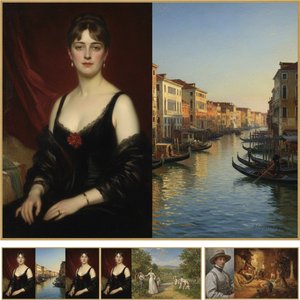
존 싱어 사전트의 대표작 25선을 만나보세요. 인상주의 초상화부터 빛과 색채가 아름다운 유화까지, 그의 예술 세계를 탐험하고 BuyPopArt에서 고품질 아트 프린트로 거실 장식을 완성하세요. 지금 온라인 컬렉션을 확인하세요!
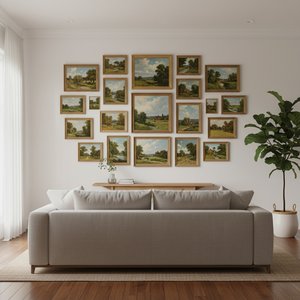
존 컨스터블 대표작 25선을 만나보세요. 영국 풍경화 거장의 자연주의 회화, 데담 밸리의 아름다움과 헤이 웨인의 정취를 담은 명화를 감상하세요. BuyPopArt에서 고품질 예술 작품 복제본을 소장하고 특별한 인테리어를 완성해보세요. 지금 바로 컬렉션을 탐험하세요!

Explore the rich history & enduring techniques of oil painting on canvas. Discover the science behind its longevity, conservation practices, and contemporary relevance. Expert insights for art enthusiasts.

Explore the rich history & techniques of oil painting – from Renaissance masters to Impressionism. Discover pigments, layering methods, and why this timeless medium endures. Expert insights for artists & art enthusiasts.


최신 미술 뉴스, 특별 혜택 및 인테리어 아이디어를 가장 먼저 만나보세요.
프로젝트에 대해 알려주시면 저희 미술 전문가들이 맞춤형 아트 제안 3가지를 전달해 드립니다.
당신만을 위한 맞춤형 옵션 3가지를 무료로 추천해 드립니다!


 미리보기
미리보기
 프린트 구매
 공유하기
공유하기 공유하기
공유하기
 상세 정보
상세 정보

 다운로드
다운로드
 유사 작품
유사 작품 X-레이
X-레이 슬라이드 쇼
 더 보기
더 보기









 유리 옵션은 110cm 미만 크기에서만 선택 가능합니다.


