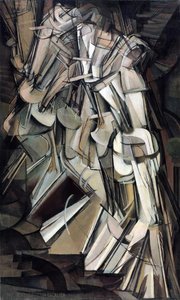
빠른 제작과 다양한 마감 옵션을 제공하는 박물관 품질의 지클레이 또는 캔버스 프린트. ( 손으로 그린 그림 구매 이미지 구매)
작품의 원본 비율을 유지하는 미리 설정된 크기 중에서 선택하세요.

특정 프레임이나 공간에 맞춰 직접 치수를 입력하실 수 있습니다. 선택하신 사이즈가 원본 이미지의 비율과 일치하지 않을 경우, 작품을 크롭(자르기)하거나 이미지를 대칭 또는 단색 채우기로 확장하여 제작합니다. 제작 시작 전, 최종 확인을 위해 디지털 목업이 전송됩니다.
화면상의 미리보기는 실제 크롭이나 확장 상태를 반영하지 않으므로, 최종 구도는 오직 목업을 통해서만 정확하게 확인하실 수 있습니다.
맞춤 사이즈 제작도 가능하지만, 원본 비율을 유지하기 위해서는 사전 정의된 목록에서 치수를 선택하시는 것을 권장합니다.

Fountain
복제본 크기
Marcel Duchamp's ‘Fountain,’ more than just an object, is a seismic event in the history of art. Created in 1917, this seemingly simple porcelain urinal – or rather, a *readymade* consisting of one – irrevocably altered our understanding of artistic creation and what constitutes art itself. To encounter ‘Fountain’ is to confront a challenge: a deliberate provocation that dismantles centuries of tradition and forces us to question the very foundations upon which aesthetic value is built. The work exists today primarily through photographic documentation, and in authorized replicas like the one held at Tate Modern, preserving its legacy as a cornerstone of conceptual art.
The genesis of ‘Fountain’ lies within the burgeoning Dada movement, born from disillusionment with the horrors of World War I. Dada was an anti-art movement, rejecting reason and logic in favor of chaos and irrationality. Duchamp, already experimenting with Cubism and fracturing traditional forms, found a kindred spirit in this rejection of established norms. By selecting a mass-produced object – a urinal – and presenting it as art, he wasn’t aiming to display technical skill or aesthetic beauty. Instead, he was making a statement about the artist's role: shifting from creator to selector, from craftsman to conceptualizer. The act of choosing an everyday item and repositioning it within the context of an art exhibition elevated it beyond its utilitarian purpose, prompting viewers to reconsider their preconceived notions.
Duchamp submitted ‘Fountain,’ signed with the pseudonym “R. Mutt,” to the inaugural exhibition of the Society of Independent Artists in New York. The society promised to accept all submissions from paying members, yet ‘Fountain’ was rejected by a committee, sparking immediate controversy. This rejection wasn't based on artistic merit but rather on the object’s perceived indecency and its challenge to the very definition of art. The ensuing debate, fueled by publications like *The Blind Man*, cemented ‘Fountain’s’ place in art history. It was a deliberate act of iconoclasm, designed to dismantle the established hierarchy of artistic values. The photograph of 'Fountain', taken by Alfred Stieglitz, became as important as the object itself, circulating widely and solidifying its status as a revolutionary work.
The enduring power of ‘Fountain’ resides in its conceptual brilliance. It paved the way for subsequent movements like Pop Art and Minimalism, influencing generations of artists to explore ideas over aesthetics. Duchamp's readymades weren’t about creating something *new* but rather about recontextualizing what already existed, forcing viewers to engage with familiar objects in a radically different light. Today, owning a hand-painted reproduction of ‘Fountain’ isn’t simply acquiring an image; it’s embracing a legacy of artistic rebellion and intellectual inquiry—a testament to the power of ideas to transform our perception of the world around us. It is a conversation starter, a bold statement piece that embodies the spirit of innovation and challenges conventional thinking.

1887 - 1968 , 프랑스

Explore the revolutionary Dada art movement! Discover its origins, key artists like Duchamp & Arp, and lasting impact on modern art. A deep dive into anti-art & challenging conventions.

Explore the revolutionary Dada art movement! Discover its origins in WWI, key artists like Duchamp & Höch, core principles, and lasting impact on modern and contemporary art. A comprehensive guide for enthusiasts.

Explore the revolutionary art of Marcel Duchamp! Discover how his Dadaist readymades challenged artistic conventions & redefined modern art. A deep dive into 'Fountain', conceptual shifts, and his lasting impact.

Explore the power of conceptual custom art. Discover how hand-painted oil paintings embody personal & political narratives. Expert guidance for collectors seeking meaningful, impactful artwork.

Explore the profound impact of Conceptual Art with BuyPopArt. Discover its history, key artists like Duchamp & Kosuth, and learn how to collect this influential movement. Expert insights for discerning art collectors.


최신 미술 뉴스, 특별 혜택 및 인테리어 아이디어를 가장 먼저 만나보세요.
프로젝트에 대해 알려주시면 저희 미술 전문가들이 맞춤형 아트 제안 3가지를 전달해 드립니다.
당신만을 위한 맞춤형 옵션 3가지를 무료로 추천해 드립니다!


 공유하기
공유하기 공유하기
공유하기
 상세 정보
상세 정보

 다운로드
다운로드
 유사 작품
유사 작품 슬라이드 쇼


 더 보기
더 보기






































 유리 옵션은 110cm 미만 크기에서만 선택 가능합니다.