작품의 원본 비율을 유지하는 미리 설정된 크기 중에서 선택하세요.

특정 프레임이나 공간에 맞도록 직접 크기를 입력할 수 있습니다. 선택하신 크기가 원본 이미지의 비율과 일치하지 않는 경우, 작품을 자르거나 추가적인 손으로 그린 요소를 사용하여 그림을 확장합니다. 제작 시작 전 승인을 위해 디지털 목업을 보내드립니다.
화면 미리 보기는 실제 자르기 또는 확장을 반영하지 않습니다. 최종 구성은 목업을 통해서만 정확하게 확인하실 수 있습니다.
맞춤 크기 제작도 가능하지만, 원본 비율을 유지하기 위해 사전 정의된 목록에서 크기를 선택하시는 것을 권장합니다.

Suspension (Bec Auer)
복제본 크기
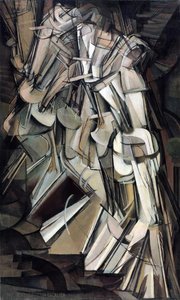
In the quiet, contemplative space of modern art history, few images possess the haunting simplicity of Marcel Duchamp’s “The Bec Auer.” Completed in 1967, this work serves as a profound, late-career testament to an artist who spent his life dismantling the boundaries of what we consider "art." At first glance, the viewer is met with a solitary light bulb suspended from a wire, appearing almost like a fleeting sketch captured mid-motion. There is an undeniable vulnerability in its presentation; it does not demand attention through grand scale or vibrant color, but rather through a delicate, unfinished quality that suggests a moment of creative thought caught in the act of becoming. For the collector or the interior designer, this piece offers a sophisticated focal point—a conversation starter that brings a sense of intellectual depth and minimalist elegance to any curated space.
< p>The technique employed here is deeply rooted in Expressionism, moving away from the rigid precision of academic realism to embrace the visceral power of the gesture. Duchamp utilizes loose, rhythmic brushstrokes that prioritize tonal variation and movement over meticulous detail. This deliberate lack of polish creates a palpable sense of immediacy, as if the artist’s hand were still fresh upon the canvas. The way the light bulb is rendered—partially sketched, partially realized—mirrors the artist's own fascination with the process of creation itself. It is not merely a representation of an object, but a representation of the idea of an object, inviting the observer to fill in the shadows and the light with their own perception.To understand "The Bec Auer" is to understand the revolutionary concept of the "readymade." Duchamp was a master of provocation, famously arguing that the essence of art resided not in the manual skill of the execution, but in the conceptual choice of the artist. By elevating a commonplace, industrial item like a light bulb to the status of a fine art subject, he challenged the very foundations of artistic dogma. This piece carries the DNA of Dadaism, a movement born from the chaos and disillusionment of the early 20th century, which sought to reject logic and embrace the absurd. In this painting, the light bulb becomes a symbol of illumination amidst uncertainty, a small spark of clarity held precariously by a single wire.
The historical context of the late 1960s adds another layer of emotional resonance to the work. Created during a period of significant global upheaval and cultural shifts, the painting reflects a broader sense of post-war anxiety and the questioning of established truths. For those looking to adorn a contemporary home or gallery, "The Bec Auer" provides more than just aesthetic beauty; it offers an emotional anchor. It is a piece that embodies the tension between the seen and the unseen, the finished and the unfinished, making it an ideal acquisition for those who appreciate art that functions as both a visual masterpiece and a philosophical inquiry.

1887 - 1968 , 프랑스

Elevate your space with the ultimate power move: Conceptual Art. Discover how prioritizing ideas over aesthetics can transform your interior into a bold, intellectual statement of modern design and cultural authority.

Dive into the raw rebellion of Dadaism. Explore how this anti-art movement used chaos and nonsense to shatter tradition, paving the way for Surrealism and modern pop culture. Discover the bold spirit that redefined creativity forever.

Master the art of calm with our trend forecast on minimalist decor. Discover how to curate high-impact, low-stimulus spaces using geometric sculptures, monochrome palettes, and modern abstract works for a sophisticated, zen-inspired lifestyle.

Discover the art of minimalist living with our expert guide to curating sophisticated interiors. Learn how to use sculptural depth, intentional color palettes, and timeless statement pieces to transform your home into a serene, high-end sanctuary of modern elegance.


최신 미술 뉴스, 특별 혜택 및 인테리어 아이디어를 가장 먼저 만나보세요.
프로젝트에 대해 알려주시면 저희 미술 전문가들이 맞춤형 아트 제안 3가지를 전달해 드립니다.
당신만을 위한 맞춤형 옵션 3가지를 무료로 추천해 드립니다!


 미리보기
미리보기
 프린트 구매
 공유하기
공유하기 공유하기
공유하기
 상세 정보
상세 정보

 다운로드
다운로드
 유사 작품
유사 작품 X-레이
X-레이 슬라이드 쇼

 더 보기
더 보기









 유리 옵션은 110cm 미만 크기에서만 선택 가능합니다.