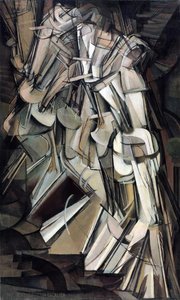
빠른 제작과 다양한 마감 옵션을 제공하는 박물관 품질의 지클레이 또는 캔버스 프린트. ( 손으로 그린 그림 구매 이미지 구매)





























작품의 원본 비율을 유지하는 미리 설정된 크기 중에서 선택하세요.

특정 프레임이나 공간에 맞춰 직접 치수를 입력하실 수 있습니다. 선택하신 사이즈가 원본 이미지의 비율과 일치하지 않을 경우, 작품을 크롭(자르기)하거나 이미지를 대칭 또는 단색 채우기로 확장하여 제작합니다. 제작 시작 전, 최종 확인을 위해 디지털 목업이 전송됩니다.
화면상의 미리보기는 실제 크롭이나 확장 상태를 반영하지 않으므로, 최종 구도는 오직 목업을 통해서만 정확하게 확인하실 수 있습니다.
맞춤 사이즈 제작도 가능하지만, 원본 비율을 유지하기 위해서는 사전 정의된 목록에서 치수를 선택하시는 것을 권장합니다.

Tu m'
복제본 크기
Marcel Duchamp (1887-1968) was a French painter, sculptor, chess player, and writer whose work is associated with the Dada movement. Born in Normandy, France, Duchamp spent much of his life traveling between Europe and the United States. He is considered one of the most influential artists of the 20th century, having rejected traditional modes of artistic production in favor of irony, satire, and chance operations. The Dada movement emerged during World War I as a reaction to the horrors of war and the disillusionment with society that followed. It was characterized by nonsensical, provocative works that challenged conventional notions of art, culture, and society. Duchamp's work is emblematic of this revolutionary spirit.
Commissioned by artist, collector, and educator Katherine Dreier in 1918, Tu m' is Marcel Duchamp's last painting on canvas and a prime example of his innovative approach to art. The work measures 27 1/2 × 119 5/16 in. (69.8 × 303 cm) framed, making it an unusual length and frieze-like shape for a painting. This unique format was specifically designed to be hung over a bookcase in Dreier's library. Tu m' combines elements of painting, trompe l'oeil, and readymade objects. The canvas features cast shadows that refer to three "ready-mades": a bicycle wheel, a corkscrew, and a hat rack. Additionally, real objects such as a bottle brush, a bolt, and safety pins are incorporated into the work. These elements challenge traditional notions of painting by merging art and everyday objects, creating a new form of artistic expression.
The title Tu m' is believed to be short for the French "tu m'emmerdes" (you annoy me) or "tu m'ennuies" (you bore me). This sarcastic tone reflects Duchamp's attitude toward painting as he was casting it aside. The work can be seen as a commentary on the futility of traditional art forms, as well as an exploration of new possibilities in artistic expression. Tu m' also features several illusionistic objects, such as a painted hand with a pointed finger in the lower center. These elements contrast with the real objects and cast shadows, creating a dynamic interplay between reality and illusion. The work invites viewers to question their perceptions of art and encourages them to engage with the piece on a deeper level.
Marcel Duchamp's Tu m' is a groundbreaking masterpiece that exemplifies the spirit of the Dada movement. By merging painting, trompe l'oeil, and readymade objects, Duchamp created a new form of artistic expression that challenges conventional notions of art. The work remains an important contribution to modern art and continues to inspire artists today. To learn more about Marcel Duchamp and his other works, visit Marcel Duchamp: Self-Portrait in Profile on BuyPopArt.com. Tu m' is part of the Yale University Art Gallery's collection and can be viewed at Yale University Art Gallery. To learn more about this painting, visit its dedicated page on the museum's website. Tu m' is also featured in MoMA's audio collection: Marcel Duchamp. Tu m'. 1918 | MoMA. This resource provides valuable insights into the work and its historical context. Tu m' is a testament to Marcel Duchamp's innovative spirit and his contribution to modern art. By merging painting, trompe l'oeil, and readymade objects, Duchamp created a new form of artistic expression that continues to inspire artists today.

1887 - 1968 , 프랑스

Dive into the raw rebellion of Dadaism. Explore how this anti-art movement used chaos and nonsense to shatter tradition, paving the way for Surrealism and modern pop culture. Discover the bold spirit that redefined creativity forever.

Embark on a sophisticated journey through the dreamlike world of Surrealism. Discover the profound symbolism of masters like Dalí and learn how to curate evocative, subconscious-inspired masterpieces for your private collection with expert art historical insight.


최신 미술 뉴스, 특별 혜택 및 인테리어 아이디어를 가장 먼저 만나보세요.
프로젝트에 대해 알려주시면 저희 미술 전문가들이 맞춤형 아트 제안 3가지를 전달해 드립니다.
당신만을 위한 맞춤형 옵션 3가지를 무료로 추천해 드립니다!


 미리보기
미리보기
 공유하기
공유하기 공유하기
공유하기
 상세 정보
상세 정보

 다운로드
다운로드
 유사 작품
유사 작품 X-레이
X-레이 슬라이드 쇼
 더 보기
더 보기









 유리 옵션은 110cm 미만 크기에서만 선택 가능합니다.