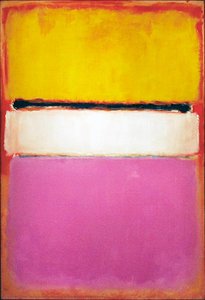
Acrylic On CanvasWallArtAbstract Expressionism
 1947Modern
 101.0 x 138.0 cm
빠른 제작과 다양한 마감 옵션을 제공하는 박물관 품질의 지클레이 또는 캔버스 프린트. ( Switch to hand made Painting Switch to Image)





























작품의 원본 비율을 유지하는 미리 설정된 크기 중에서 선택하세요.

특정 프레임이나 공간에 맞춰 직접 치수를 입력하실 수 있습니다. 선택하신 사이즈가 원본 이미지의 비율과 일치하지 않을 경우, 작품을 크롭(자르기)하거나 이미지를 대칭 또는 단색 채우기로 확장하여 제작합니다. 제작 시작 전, 최종 확인을 위해 디지털 목업이 전송됩니다.
화면상의 미리보기는 실제 크롭이나 확장 상태를 반영하지 않으므로, 최종 구도는 오직 목업을 통해서만 정확하게 확인하실 수 있습니다.
맞춤 사이즈 제작도 가능하지만, 원본 비율을 유지하기 위해서는 사전 정의된 목록에서 치수를 선택하시는 것을 권장합니다.

No. 3
복제본 크기
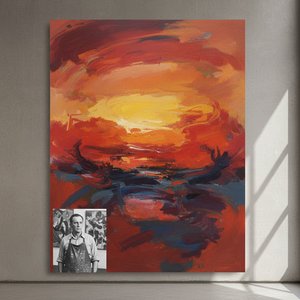
Mark Rothko’s ‘No. 3,’ painted in 1947, is more than just a canvas filled with color; it’s a profound exploration of human emotion, born from the artist’s own deeply personal experiences. Measuring 101 x 138 cm, this large-scale work exemplifies Rothko's signature style – monumental blocks of saturated color layered to create an intense and almost overwhelming sense of atmosphere. The painting immediately draws the viewer in with its central circular form, a deep blue backdrop pulsating with an inner light, while surrounding shapes—including stylized bird figures—add layers of complexity and contemplation. This piece represents a pivotal moment in Rothko’s artistic development, solidifying his commitment to expressing universal human experiences through abstract forms.
Understanding ‘No. 3’ requires acknowledging the formative influences shaping Rothko's worldview. Born in Dvinsk (now Daugavpils), Latvia, in 1903, he carried within him a legacy of displacement and hardship. His family’s emigration to Portland, Oregon, in 1913, following his father’s death, introduced him to a new culture while simultaneously exposing him to the profound grief of loss – a theme that would become central to his work. Rothko's early life was marked by instability and intellectual ferment, fostering a sensitivity to suffering and a preoccupation with existential questions. This background is palpable in ‘No. 3,’ where the seemingly simple arrangement of color evokes a sense of unease and introspection, mirroring the artist’s own struggles with mortality and meaning.
Rothko's technique was meticulously developed over years of experimentation. He employed a layering method, applying thin washes of oil paint that were allowed to bleed into one another, creating subtle gradations and shimmering effects. The dominant blues are not uniform; they shift in tone and intensity, suggesting depth and movement. The bird figures, rendered with simple geometric forms, serve as anchors within the swirling color fields, drawing the eye across the canvas. Their placement—one in the upper left corner, another in the lower right—creates a dynamic tension, preventing the composition from feeling static or overly contemplative. This careful orchestration of color and form is key to the painting’s emotional impact.
'No. 3' isn’t about literal representation; it’s about conveying profound emotions. The circular forms, often interpreted as representing the cosmos or the human soul, evoke a sense of both vastness and vulnerability. The birds, frequently recurring motifs in Rothko’s work, can be seen as symbols of hope, freedom, or perhaps even mourning – echoing his own experiences with loss and displacement. Ultimately, the painting invites viewers to confront their own anxieties about existence, mortality, and the search for solace within a chaotic world. It's a testament to Rothko's ability to tap into universal human emotions through the power of color and form.
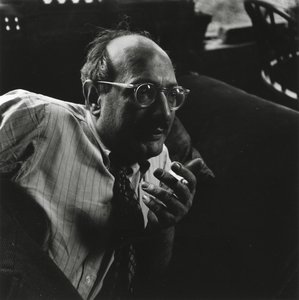
1903 - 1970 , 라트비아

Explore the captivating world of Color Field painting! Discover its origins, key artists like Rothko & Newman, philosophical depth, and lasting influence on modern art. Expert insights for collectors.
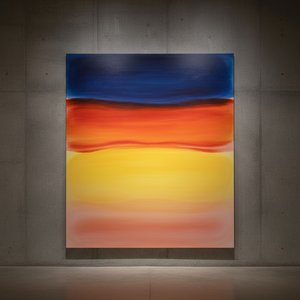
Explore the profound emotional depth of Mark Rothko's abstract expressionism. Discover the history, techniques & lasting impact of this pivotal Color Field painter. Expert insights for collectors and art enthusiasts.
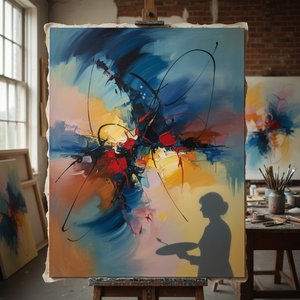
Explore the captivating world of Beatrice Parsons, a pioneering British abstract expressionist. Discover her journey from garden watercolors to evocative color field paintings and learn about her place within art history.

Explore the profound world of Color Field painting with BuyPopArt. Discover key artists like Rothko & Newman, its philosophical roots, and lasting impact on modern art. Expert insights for collectors.
Explore the life & work of Jacob Kainen, a pivotal figure in American Abstract Expressionism and Color Field painting. Discover his journey from Social Realism to vibrant abstraction and lasting influence on 20th-century art.


최신 미술 뉴스, 특별 혜택 및 인테리어 아이디어를 가장 먼저 만나보세요.
프로젝트에 대해 알려주시면 저희 미술 전문가들이 맞춤형 아트 제안 3가지를 전달해 드립니다.
당신만을 위한 맞춤형 옵션 3가지를 무료로 추천해 드립니다!


 Preview
 공유하기
공유하기 공유하기
공유하기
 상세 정보
상세 정보

 다운로드
다운로드
 유사 작품
유사 작품 X-레이
X-레이 슬라이드 쇼
 더 보기
더 보기









 유리 옵션은 110cm 미만 크기에서만 선택 가능합니다.