작품의 원본 비율을 유지하는 미리 설정된 크기 중에서 선택하세요.

특정 프레임이나 공간에 맞도록 직접 크기를 입력할 수 있습니다. 선택하신 크기가 원본 이미지의 비율과 일치하지 않는 경우, 작품을 자르거나 추가적인 손으로 그린 요소를 사용하여 그림을 확장합니다. 제작 시작 전 승인을 위해 디지털 목업을 보내드립니다.
화면 미리 보기는 실제 자르기 또는 확장을 반영하지 않습니다. 최종 구성은 목업을 통해서만 정확하게 확인하실 수 있습니다.
맞춤 크기 제작도 가능하지만, 원본 비율을 유지하기 위해 사전 정의된 목록에서 크기를 선택하시는 것을 권장합니다.

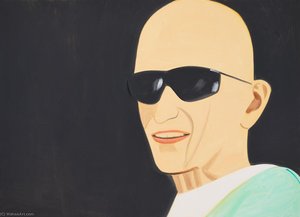
Metamorphose
복제본 크기
Born in the historic heart of Damascus, Syria, in 1979, Mohammad Omran has emerged as a profound voice in contemporary art, weaving a narrative that bridges the ancient weight of Middle Eastern history with the visceral anxieties of the modern era. His journey began within the hallowed halls of the Faculty of Fine Arts at Damascus University, where he first mastered the tactile language of sculpture. This early foundation in three-dimensional form would later become the cornerstone of his aesthetic, allowing him to manipulate mass and void to express the complexities of the human condition. As his path led him from the Levant to the academic rigor of France, Omran’s work underwent a transformative evolution, shaped by deep scholarly inquiry and the turbulent political landscapes of his homeland.
The transition to Europe marked a pivotal chapter in his creative odyssey. Pursuing advanced studies at the University of Lyon, Omran earned both a Master’s degree and a PhD in art history. This academic immersion did not merely supplement his technical skill; it fundamentally altered his artistic lens. By studying the historical trajectories of human representation, he gained the tools to critique the present through the echoes of the past. His relocation to Paris in 2007 provided a cosmopolitan stage where his sculptural roots could merge with new explorations in painting and video art, creating a multidisciplinary practice that is as intellectually dense as it is visually arresting.
To encounter an Omran piece is to confront the raw, unvarnished reality of existence. Moving far beyond the idealized proportions of classical models, his work delves into the shadows of humanity, focusing on the beauty found within flaws, distortions, and imperfections. He often utilizes the motif of the tortured or exhausted human body to serve as a metaphor for broader social and political struggles. His sculptures frequently feature distorted faces and slumped figures that evoke a sense of profound empathy, yet they are simultaneously laced with a sharp, cynical edge that can provoke disgust or even dark humor.
The symbolism in his work is deeply intertwined with the socio-political climate of Syria and the global repercussions of violence. Through his use of animal metaphors and the depiction of physically burdened figures, Omran critiques the mechanisms of tyranny, the abuse of power, and the pervasive nature of systemic violence. His art does not merely observe suffering; it embodies it, using the very texture of the medium—whether the ruggedness of a bronze bust or the delicate, weary lines of a drawing—to mirror the resilience and anguish of those caught in the crossfire of history.
The significance of Mohammad Omran’s contribution to contemporary art lies in his ability to translate localized trauma into a universal language of human endurance. His reach extends far beyond the borders of Syria and France, with his works finding homes in some of the world's most prestigious institutions. His artistic impact is reflected in several key areas:
Ultimately, Mohammad Omran stands as a storyteller of the modern age. His work serves as a vital bridge between cultures, using the language of deformity and strength to illuminate the shared stories that connect us all. In an era defined by fragmentation, his art seeks a profound, albeit painful, interconnectedness, reminding the viewer that even in our most broken states, the human element remains indomitable.

1979 - , Syrian Arab Republic


최신 미술 뉴스, 특별 혜택 및 인테리어 아이디어를 가장 먼저 만나보세요.
프로젝트에 대해 알려주시면 저희 미술 전문가들이 맞춤형 아트 제안 3가지를 전달해 드립니다.
당신만을 위한 맞춤형 옵션 3가지를 무료로 추천해 드립니다!


 미리보기
미리보기
 프린트 구매
 공유하기
공유하기 공유하기
공유하기
 상세 정보
상세 정보

 다운로드
다운로드
 유사 작품
유사 작품 X-레이
X-레이 슬라이드 쇼

 더 보기
더 보기






































 유리 옵션은 110cm 미만 크기에서만 선택 가능합니다.