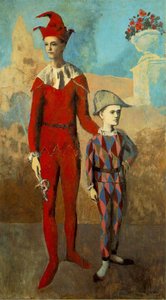
빠른 제작과 다양한 마감 옵션을 제공하는 박물관 품질의 지클레이 또는 캔버스 프린트. ( 수제 페인팅으로 전환하기 이미지로 전환)





























작품의 원본 비율을 유지하는 미리 설정된 크기 중에서 선택하세요.

특정 프레임이나 공간에 맞춰 직접 치수를 입력하실 수 있습니다. 선택하신 사이즈가 원본 이미지의 비율과 일치하지 않을 경우, 작품을 크롭(자르기)하거나 이미지를 대칭 또는 단색 채우기로 확장하여 제작합니다. 제작 시작 전, 최종 확인을 위해 디지털 목업이 전송됩니다.
화면상의 미리보기는 실제 크롭이나 확장 상태를 반영하지 않으므로, 최종 구도는 오직 목업을 통해서만 정확하게 확인하실 수 있습니다.
맞춤 사이즈 제작도 가능하지만, 원본 비율을 유지하기 위해서는 사전 정의된 목록에서 치수를 선택하시는 것을 권장합니다.

Spring
복제본 크기
Pablo Picasso's "Spring," painted in 1956, isn’t merely a depiction of a pastoral scene; it’s a profoundly layered meditation on loss, memory, and the enduring power of human connection. The painting immediately draws the eye with its vibrant palette – a riot of yellows, blues, and greens that seem to pulse with an almost feverish energy. Yet, beneath this initial exuberance lies a palpable sense of melancholy, a quiet sorrow woven into every brushstroke. At the heart of the composition are two figures: a man seated on a simple chair, his hand gently resting upon the horns of a goat, and a woman standing beside him, her gaze directed upwards with an expression that hints at both longing and acceptance.
Picasso’s stylistic choices firmly situate “Spring” within the context of his mature Cubist period. While retaining elements of his earlier explorations with fractured forms and multiple perspectives, here he employs a more fluid and expressive approach. The figures are not sharply delineated but rather emerge from a hazy atmosphere, their bodies subtly distorted and imbued with an almost dreamlike quality. This deliberate ambiguity invites the viewer to actively participate in constructing meaning, prompting us to consider the unspoken narratives that lie beneath the surface of the scene. The use of color is particularly noteworthy; it’s not applied realistically but rather strategically, creating a sense of depth and movement while simultaneously reinforcing the painting's emotional resonance.
Each element within “Spring” carries significant symbolic weight. The goat, often interpreted as representing fertility and abundance, is here presented in a surprisingly tender manner – its horns cradled by the man’s hand. This gesture suggests a protective embrace, a quiet acknowledgment of life's cyclical nature even amidst hardship. The chair, simple and unassuming, acts as a grounding element, anchoring the scene and providing a space for contemplation. The woman’s upward gaze is perhaps the most compelling aspect of the composition; she seems to be searching for something beyond the immediate present, possibly a lost loved one or a distant memory. The presence of two chairs – one occupied, one standing empty – subtly underscores themes of solitude and separation.
Interestingly, Picasso himself offered little direct explanation for the painting’s meaning, preferring to let it speak for itself. However, considering his personal life at the time—he was grappling with the recent loss of his mistress, Dora Maar, and navigating a complex relationship with Françoise Gilot—it's reasonable to interpret “Spring” as an exploration of grief, resilience, and the enduring capacity for love in the face of adversity. The painting’s quiet intimacy suggests a desire to find solace in shared experience, even if that experience is tinged with sadness.
“Spring” stands as a testament to Picasso's extraordinary ability to distill complex emotions into visual form. It’s not a painting that shouts for attention; rather, it invites quiet contemplation and rewards repeated viewing with new insights. The work exemplifies his mastery of color, composition, and symbolism—elements he honed throughout a remarkably prolific career.
Furthermore, the painting's enduring appeal lies in its universality. The themes of loss, longing, and connection resonate deeply with viewers across generations, making “Spring” not just a masterpiece of 20th-century art but also a poignant reflection on the human condition. Reproductions of this iconic work capture much of the original’s emotional depth, offering an accessible way to experience Picasso's profound artistic vision within one’s own space.
Originally executed in oil on canvas, “Spring” showcases Picasso’s characteristic layering technique—thin washes of color applied over a textured ground. The brushwork is loose and expressive, contributing to the painting's overall sense of movement and vitality. When considering reproductions, it’s crucial to select high-quality prints that accurately capture the nuances of color and texture. Archival inks and canvas materials are recommended to ensure long-lasting vibrancy and prevent fading.
The scale of the original is significant (3.49 meters x 7.76 meters), but reproductions in various sizes offer flexibility for interior design applications. “Spring”’s evocative imagery would complement a range of styles, from modern minimalist spaces to more traditionally decorated rooms—its inherent emotional depth lending an air of sophistication and quiet contemplation to any setting.

1881 - 1973 , 스페인

Explore 10 Cubist masterpieces by Picasso, Braque & more! Delve into the history of this revolutionary art movement. Find museum-quality reproductions and elevate your home decor with BuyPopArt. Discover all masterpieces on BuyPopArt.com

Explore the evolution of cityscape painting from Realism to contemporary art with BuyPopArt. Discover key artists & invest in timeless urban visions. Expert guidance, museum-quality reproductions.

피카소, 브라크의 큐비즘 걸작 10선! 혁신적인 예술 세계를 만나보세요. 각 작품의 숨겨진 이야기와 감동을 BuyPopArt에서 경험하고, 당신의 공간에 특별한 예술적 영감을 더하세요. 지금 바로 BuyPopArt.com에서 모든 명작을 발견해보세요!
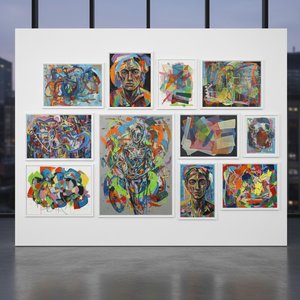
Explore 10 legendary acrylic paintings that revolutionized modern art! From Helen Frankenthaler's color fields to Richter’s abstract power, discover the stories behind these iconic masterpieces. Find museum-quality reproductions & elevate your home decor on BuyPopArt.com.

조르주 브라크의 시대를 초월한 25개의 걸작을 만나보세요. 입체주의를 개척한 프랑스 화가의 예술 세계와 숨겨진 이야기를 BuyPopArt에서 감상하고, 명작 유화 복제본으로 공간에 특별함을 더하세요. 지금 바로 컬렉션을 탐험하세요!


최신 미술 뉴스, 특별 혜택 및 인테리어 아이디어를 가장 먼저 만나보세요.
프로젝트에 대해 알려주시면 저희 미술 전문가들이 맞춤형 아트 제안 3가지를 전달해 드립니다.
당신만을 위한 맞춤형 옵션 3가지를 무료로 추천해 드립니다!


 미리보기
미리보기
 공유하기
공유하기 공유하기
공유하기
 상세 정보
상세 정보

 다운로드
다운로드
 유사 작품
유사 작품 X-레이
X-레이 슬라이드 쇼
 더 보기
더 보기









 유리 옵션은 110cm 미만 크기에서만 선택 가능합니다.