
작품의 원본 비율을 유지하는 미리 설정된 크기 중에서 선택하세요.

특정 프레임이나 공간에 맞도록 직접 크기를 입력할 수 있습니다. 선택하신 크기가 원본 이미지의 비율과 일치하지 않는 경우, 작품을 자르거나 추가적인 손으로 그린 요소를 사용하여 그림을 확장합니다. 제작 시작 전 승인을 위해 디지털 목업을 보내드립니다.
화면 미리 보기는 실제 자르기 또는 확장을 반영하지 않습니다. 최종 구성은 목업을 통해서만 정확하게 확인하실 수 있습니다.
맞춤 크기 제작도 가능하지만, 원본 비율을 유지하기 위해 사전 정의된 목록에서 크기를 선택하시는 것을 권장합니다.

Boots
복제본 크기

In the grand tapestry of contemporary design, few threads are as vibrant or as provocatively woven as those left by Raf Jan Simons. Born in the quiet Belgian town of Neerpelt in 1968, Simons did not emerge from the traditional corridors of haute couture, but rather from the disciplined, structural world of industrial and furniture design. This foundational period, marked by his studies in Genk and a formative internship under the avant-garde Walter van Beirendonck, instilled in him a profound respect for materiality and form. Before he ever touched a needle or draped a mannequin, Simons was sculpting space and object, a background that would later allow him to approach fashion not merely as clothing, but as wearable architecture capable of communicating deep-seated cultural narratives.
The transition from the rigid geometry of furniture to the fluid rebellion of menswear was nothing short of radical. Encouraged by the mentorship of Linda Loppa, Simons pivoted toward the sartorial arts, launching his eponymous label in 1995. This era marked the birth of a new aesthetic language—one that spoke directly to the restless energy of the nineties. His work became a mirror for the youth subcultures of the time, blending the raw, emotive power of music and street culture with an uncompromising precision. To wear Raf Simons was to wear an identity; his designs captured the spirit of the outsider, utilizing slim, linear silhouettes and high-quality fabrics to create a sense of modern, progressive masculinity that felt both nostalgic and futuristic.
As his reputation grew, Simons’ influence expanded far beyond the boundaries of his own label, leading him to the helm of some of the most prestigious fashion houses in history. His tenure at Jil Sander from 2005 to 2012 is often cited as a period of profound refinement, where he infused the brand's minimalist DNA with a new, contemporary edge. This was followed by his transformative role as the Artistic Director of Christian Dior, where he brought a sense of poetic movement and structural innovation to women’s haute couture and ready-to-wear collections. His ability to navigate the delicate balance between heritage and rebellion allowed him to redefine luxury for a new generation.
The trajectory of his career continued to defy convention as he moved through pivotal roles at Calvin Klein and eventually joined Prada as co-creative director alongside Miuccia Prada. Throughout these transitions, the core tenets of his artistry remained remarkably consistent:
Today, the historical significance of Raf Simons lies in his role as a bridge-builder. He bridged the gap between the grit of the street and the glamour of the runway, between the permanence of furniture design and the ephemeral nature of fashion trends. His work remains a testament to the idea that fashion is not merely about decoration, but about attitude—a profound expression of memory, vision, and the enduring power of individual identity in an ever-changing world.

1968 - , Belgium

Explore the exquisite beauty & spiritual depth of International Gothic art. Discover key artists like Simone Martini & Pol de Limbourg, its origins, symbolism, and lasting influence on European painting. Expert insights at BuyPopArt.

Explore the rich history of floral painting! Discover symbolism, techniques & masterpieces from Van Huysum to O'Keeffe. Expert insights for art lovers & collectors at BuyPopArt.
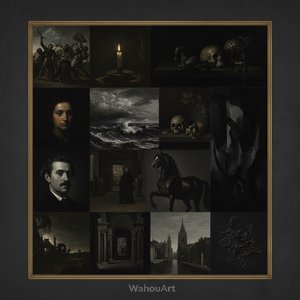
Delve into the power of 'Ivory Black' with 10 iconic paintings by masters like Rembrandt & Caravaggio. Explore dramatic chiaroscuro, gothic moods & timeless art history. Find museum-quality reproductions and elevate your home decor at

Explore the exquisite botanical illustrations of Jacques Barraband (1767-1809). Discover his stunningly accurate bird paintings, commissioned by Napoleon, and learn about his lasting legacy in art & science. Shop museum-quality reproductions at BuyPopArt.
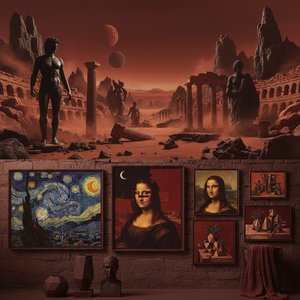
Delve into the power of 'Mars Black' with 10 iconic paintings by masters like Rembrandt & Caravaggio. Explore dramatic chiaroscuro, gothic art, and timeless beauty. Find museum-quality reproductions & elevate your home decor on .


최신 미술 뉴스, 특별 혜택 및 인테리어 아이디어를 가장 먼저 만나보세요.
프로젝트에 대해 알려주시면 저희 미술 전문가들이 맞춤형 아트 제안 3가지를 전달해 드립니다.
당신만을 위한 맞춤형 옵션 3가지를 무료로 추천해 드립니다!


 미리보기
미리보기
 프린트 구매
 공유하기
공유하기 공유하기
공유하기
 상세 정보
상세 정보

 다운로드
다운로드
 유사 작품
유사 작품 X-레이
X-레이 슬라이드 쇼


 더 보기
더 보기






































 유리 옵션은 110cm 미만 크기에서만 선택 가능합니다.


