빠른 제작과 다양한 마감 옵션을 제공하는 박물관 품질의 지클레이 또는 캔버스 프린트. ( 수제 페인팅으로 전환하기 이미지로 전환)





























작품의 원본 비율을 유지하는 미리 설정된 크기 중에서 선택하세요.

특정 프레임이나 공간에 맞춰 직접 치수를 입력하실 수 있습니다. 선택하신 사이즈가 원본 이미지의 비율과 일치하지 않을 경우, 작품을 크롭(자르기)하거나 이미지를 대칭 또는 단색 채우기로 확장하여 제작합니다. 제작 시작 전, 최종 확인을 위해 디지털 목업이 전송됩니다.
화면상의 미리보기는 실제 크롭이나 확장 상태를 반영하지 않으므로, 최종 구도는 오직 목업을 통해서만 정확하게 확인하실 수 있습니다.
맞춤 사이즈 제작도 가능하지만, 원본 비율을 유지하기 위해서는 사전 정의된 목록에서 치수를 선택하시는 것을 권장합니다.

Memory
복제본 크기
René Magritte's "Memory," painted in 1948, is not merely a depiction of a statue; it’s an immersion into the unsettling realm of the subconscious, a testament to the artist’s profound engagement with themes of loss, memory, and the deceptive nature of reality. The painting immediately arrests the viewer with its stark contrast: the cold, impassive face of the marble bust, stained with a vibrant red – a color traditionally associated with passion, violence, and, crucially, blood – against the muted tones of the cloudy sky and the delicate pink of the roses. This juxtaposition creates an immediate tension, forcing us to confront uncomfortable questions about representation and the fragility of recollection.
Magritte was a key figure in the Surrealist movement, yet his approach differed from the overtly fantastical works often associated with the group. “Memory” exemplifies his meticulous attention to detail and his ability to create unsettling effects through seemingly ordinary subjects. The composition is carefully constructed; the roses, placed strategically in the foreground, serve as both focal points and symbols of beauty amidst decay. Their presence suggests a futile attempt to preserve or embellish a painful memory. The ball, positioned near the right edge, adds another layer of ambiguity – perhaps representing a lost opportunity, a sphere of influence, or simply an object caught within the confines of recollection.
Magritte’s technique is characterized by precise brushwork and a masterful use of light and shadow. He employed oil paints with a delicate touch, building up layers to achieve a smooth, almost polished surface – a characteristic feature of his work. This meticulousness contrasts sharply with the unsettling subject matter, further enhancing the painting's impact.
The image of the statue’s face, obscured by the red stain, is deeply rooted in Magritte’s personal history. The suicide of his mother, a recurring motif in his work, undoubtedly informed this piece. The veiled figure can be interpreted as a representation of suppressed grief or the inability to fully confront painful memories. Painted in 1948, “Memory” reflects the post-war anxieties and disillusionment prevalent at the time. The painting’s exploration of psychological states aligns with the broader Surrealist interest in exploring the irrational and unconscious mind.
Furthermore, Magritte's work engages with the philosophical debates surrounding perception and representation that were gaining momentum in the mid-20th century. He challenges the viewer to question what they see – is it a faithful reflection of reality, or merely an illusion constructed by the artist’s hand and our own subjective interpretations?
"Memory" possesses a haunting beauty that transcends its unsettling subject matter. It evokes a profound sense of melancholy and invites contemplation on the nature of memory, loss, and the enduring power of the past. This reproduction captures Magritte’s meticulous technique and vibrant color palette, offering an authentic representation of this iconic work. It is a piece perfect for collectors seeking to own a significant example of Surrealist art or for interior designers looking to introduce a touch of enigmatic beauty into their spaces – a reminder that even in the face of darkness, there can be a strange and compelling allure.
René Magritte는 벨기에 레센네스에서 1898년 11월 21일에 태어났습니다. 그의 어린 시절은 충격적인 사건으로 시작되었습니다. 바로 어머니의 자살이었는데, 그는 열세 살 때였습니다. 그녀의 시체가 세브레 강에 발견되었고 그녀의 드레스가 얼굴을 가리는 모습이 눈앞에 펼쳐졌습니다. 이 초기의 트라우마는 그에게 미스터리함과 상실감 그리고 우리가 보지 못하는 힘에 대한 매혹감을 심어주었습니다. 그의 어린 시절에 대한 자세한 정보는 아직 명확하게 밝혀지지 않았지만 그는 삶 전체를 질문하는 방식으로 끊임없이 탐구하며 예술적 비전을 형성했습니다. 그는 열 살 때 그림 레슨을 시작했는데 이는 그에게 시각적 표현에 대한 타고난 기질을 드러냈습니다. 하지만 처음에는 인상주의로 탐구했지만 이후 그의 예술 경로는 서양 미술의 주요 인물 중 한 명으로 나아가기 위해 독특한 길을 택했습니다.
마그리트는 예술적 여정이 즉각적이고 간단하지 않았습니다. 그는 브뤼셀 왕립 미술 아카데미에서 공부했지만 전통적인 방법은 그에게 답답함을 안겨주었습니다. 그의 초기 작품은 미래주의와 입체주의를 실험했는데 이 두 현대 미술 운동의 형식을 흡수했지만 형식적인 우려에 대한 관심이 부족했습니다. 그는 1922년 지오르지오 드 치리코의 그림 *사랑의 노래*를 만나면서 새로운 시각을 발견했습니다. 드 치리코의 꿈 같은 풍경과 혼란스러운 대립은 마그리트에게 익숙한 것이 이상하게 변하고 평범함이 깊은 미스터리로 가득 차는 세계로 이끌었습니다. 이 만남은 그가 초현실주의에 대한 약속을 깨고 그의 동료 예술가들보다 더 자유로운 방식으로 탐구하는 것을 촉발했습니다. 그는 초현실주의의 심리적 또는 자동적인 접근 방식과 같은 방법으로 무의식 탐구를 추구하지 않았습니다.
1926년 마그리트는 초현실주의 원칙을 완전히 받아들였고 *로스트 조커*를 제작했는데 이 작품은 광범위하게 그의 첫 번째 진정한 초현실주의 작품으로 여겨집니다. 그러나 그의 초현실주의는 독특했습니다. 그는 미래주의와 같은 다른 예술가들의 방식과 달리 무의식 탐구에 대한 자유 연관이나 꿈 이미지 사용에 관심이 없었습니다. 대신 마그리트는 일반적인 물건을 예상치 못한 맥락에서 제시하여 관객에게 세계에 대한 가정에 대해 질문하도록 강요하는 방식으로 현실에 도전했습니다. 그는 초현실주의의 핵심은 이처럼 관객에게 새로운 시각을 제공하고 예술이 생각과 경외심을 불러일으키는 능력을 인정하는 것입니다.
마그리트는 초현실주의 원칙에 대한 약속을 깨고 *사랑의 노래*를 제작했는데 이 작품은 광범위하게 그의 첫 번째 진정한 초현실주의 작품으로 여겨집니다. 그는 미래주의와 같은 다른 예술가들의 방식과 달리 무의식 탐구에 대한 자유 연관이나 꿈 이미지 사용에 관심이 없었습니다. 대신 마그리트는 일반적인 물건을 예상치 못한 맥락에서 제시하여 관객에게 세계에 대한 가정에 대해 질문하도록 강요하는 방식으로 현실에 도전했습니다. 그는 초현실주의의 핵심은 이처럼 관객에게 새로운 시각을 제공하고 예술이 생각과 경외심을 불러일으키는 능력을 인정하는 것입니다.
마그리트는 초기 작품에서 미래주의와 입체주의를 실험했는데 이 두 현대 미술 운동의 형식을 흡수했지만 형식적인 우려에 대한 관심이 부족했습니다. 그는 초현실주의의 심리적 또는 자동적인 접근 방식과 같은 방법으로 무의식 탐구에 대한 자유 연관이나 꿈 이미지 사용에 관심이 없었습니다. 대신 마그리트는 일반적인 물건을 예상치 못한 맥락에서 제시하여 관객에게 세계에 대한 가정에 대해 질문하도록 강요하는 방식으로 현실에 도전했습니다. 그는 초현실주의의 핵심은 이처럼 관객에게 새로운 시각을 제공하고 예술이 생각과 경외심을 불러일으키는 능력을 인정하는 것입니다.
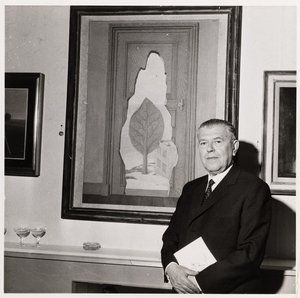
1898 - 1967 , 벨기에

Dive into the visceral world of Surrealist Expressionism. Explore how dream logic meets raw emotion through a visual journey of iconic techniques, post-war history, and bold aesthetics to transform your modern space with high-impact, unforgettable art.


최신 미술 뉴스, 특별 혜택 및 인테리어 아이디어를 가장 먼저 만나보세요.
프로젝트에 대해 알려주시면 저희 미술 전문가들이 맞춤형 아트 제안 3가지를 전달해 드립니다.
당신만을 위한 맞춤형 옵션 3가지를 무료로 추천해 드립니다!


 미리보기
미리보기
 공유하기
공유하기 공유하기
공유하기
 상세 정보
상세 정보

 다운로드
다운로드
 유사 작품
유사 작품 X-레이
X-레이 슬라이드 쇼

 더 보기
더 보기









 유리 옵션은 110cm 미만 크기에서만 선택 가능합니다.