x
 Acrylic On CanvasWallArtPop Art
 Contemporary
 124.0 x 125.0 cm
 Chrysler Museum of Art




























작품의 원본 비율을 유지하는 미리 설정된 크기 중에서 선택하세요.

특정 프레임이나 공간에 맞도록 직접 크기를 입력할 수 있습니다. 선택하신 크기가 원본 이미지의 비율과 일치하지 않는 경우, 작품을 자르거나 추가적인 손으로 그린 요소를 사용하여 그림을 확장합니다. 제작 시작 전 승인을 위해 디지털 목업을 보내드립니다.
화면 미리 보기는 실제 자르기 또는 확장을 반영하지 않습니다. 최종 구성은 목업을 통해서만 정확하게 확인하실 수 있습니다.
맞춤 크기 제작도 가능하지만, 원본 비율을 유지하기 위해 사전 정의된 목록에서 크기를 선택하시는 것을 권장합니다.

Wooden Gallop
복제본 크기
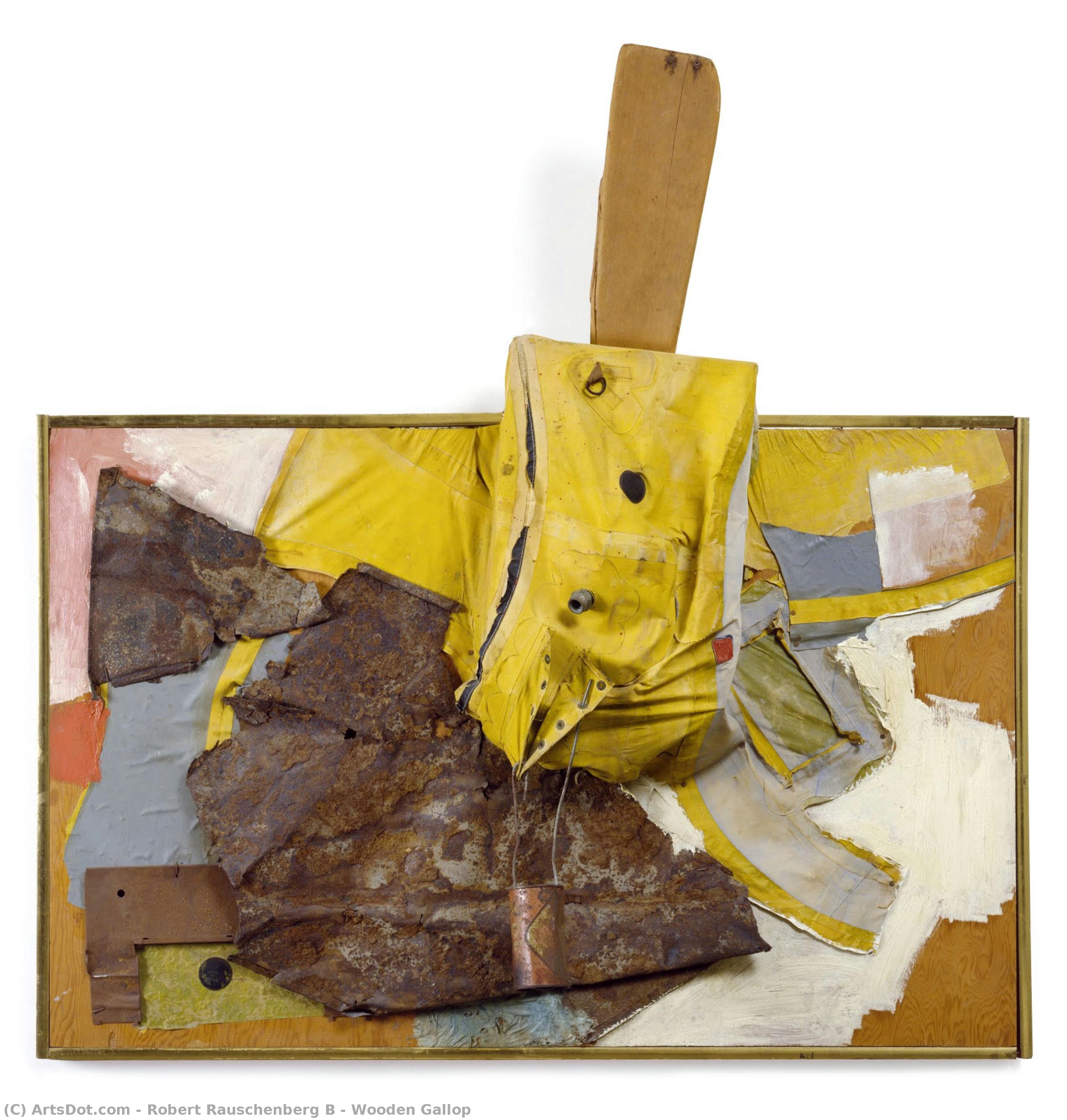
Robert Rauschenberg's "Wooden Gallop," painted in the early 1960s, isn’t merely a painting; it’s an invitation to a conversation with chance, incongruity, and the very nature of art itself. Emerging from a period of radical experimentation within the American art scene – a time when artists were actively dismantling traditional boundaries between disciplines – this work embodies Rauschenberg's signature “Combine” aesthetic: a deliberate blurring of lines between painting, sculpture, collage, and everyday objects. The piece immediately confronts the viewer with an apparent jumble—a weathered wooden form, seemingly a fragment of a discarded structure, is draped in a yellow cloth, while scattered around it are elements that whisper of forgotten voyages: a section of life raft, rusted metal shards, and even what appears to be a small, unsettling bird. Yet, within this seeming chaos, a remarkable balance emerges – a quiet harmony achieved through Rauschenberg’s masterful orchestration of disparate materials.
Rauschenberg's approach to art during the 1960s was profoundly influenced by his experiences in Black Mountain College, where he studied alongside figures like Josef Albers and Max Ernst. This environment fostered a spirit of experimentation and a rejection of rigid artistic conventions. “Combines,” as Rauschenberg termed them, were born from this ethos – works that incorporated found objects, photographs, text, and painted surfaces, often assembled directly onto the canvas. “Wooden Gallop” exemplifies this technique perfectly; it’s not about creating a singular, representational image but rather constructing an experience—a layered narrative suggested through the juxtaposition of these seemingly unrelated elements. The wooden form itself acts as a grounding element, anchoring the composition while simultaneously inviting speculation about its origins and purpose.
The painting’s surface is a testament to Rauschenberg's innovative approach to paint application. He employed a technique he called “all-over,” meaning that the paint was applied evenly across the entire canvas, without a discernible focal point or compositional structure. This deliberate lack of hierarchy mirrors the work’s overall sense of disorientation and invites the viewer to engage with the piece on an equal footing. The use of matte acrylic paints creates a tactile quality, further emphasizing the materiality of the objects incorporated into the composition. The rust and weathered wood speak to time and decay, while the yellow cloth introduces a vibrant, almost unsettling contrast. The inclusion of the life raft fragment subtly evokes themes of travel, loss, and perhaps even the precariousness of human existence – a poignant reminder of journeys undertaken and destinations unknown.
“Wooden Gallop” resists easy interpretation, deliberately embracing ambiguity. The bird, for instance, could be seen as a symbol of freedom or, conversely, as a harbinger of unease. The life raft fragment hints at journeys both literal and metaphorical – the search for stability in an uncertain world. Rauschenberg himself resisted providing definitive explanations for his work, stating that he wanted to create objects that “suggested” rather than “explained.” This deliberate opacity encourages viewers to project their own experiences and emotions onto the piece, transforming it into a deeply personal encounter. The title itself – "Wooden Gallop" – is evocative of both movement and instability, perfectly capturing the painting’s dynamic energy.
“Wooden Gallop” stands as a pivotal work in Robert Rauschenberg's oeuvre and a landmark achievement in 20th-century art. It represents a radical departure from traditional artistic practices, paving the way for subsequent generations of artists who challenged established norms and embraced experimentation. Its influence can be seen in the rise of Pop Art, Neo-Dada, and assemblage art, as well as in contemporary approaches to installation and mixed media. Today, reproductions of “Wooden Gallop” continue to resonate with audiences, offering a glimpse into a world where chaos and harmony coexist, and where the boundaries between art and life are delightfully blurred.
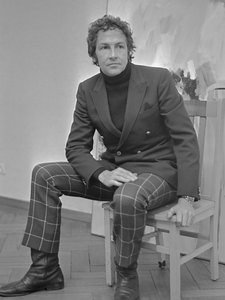
1925 - 2008
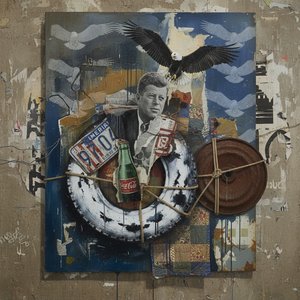
Explore the revolutionary art of Robert Rauschenberg – Combines, silkscreens & more. Discover his impact on Pop Art, investment potential & collecting insights for discerning art collectors.
Explore the captivating history of marble sculpture from ancient Greece to modern art. Discover renowned artists like Canova & Michelangelo, carving techniques, and investment insights at BuyPopArt.
Explore the captivating world of Joseph Cornell's assemblage art & shadow boxes. Discover his unique process, Surrealist influences, and lasting legacy with BuyPopArt.
Explore 10 legendary acrylic paintings that revolutionized modern art! From Helen Frankenthaler's color fields to Richter’s abstract power, discover the stories behind these iconic masterpieces. Find museum-quality reproductions & elevate your home decor on BuyPopArt.com.

조르주 브라크의 시대를 초월한 25개의 걸작을 만나보세요. 입체주의를 개척한 프랑스 화가의 예술 세계와 숨겨진 이야기를 BuyPopArt에서 감상하고, 명작 유화 복제본으로 공간에 특별함을 더하세요. 지금 바로 컬렉션을 탐험하세요!


최신 미술 뉴스, 특별 혜택 및 인테리어 아이디어를 가장 먼저 만나보세요.
프로젝트에 대해 알려주시면 저희 미술 전문가들이 맞춤형 아트 제안 3가지를 전달해 드립니다.
당신만을 위한 맞춤형 옵션 3가지를 무료로 추천해 드립니다!


 프린트 구매하기
 공유하기
공유하기 공유하기
공유하기
 상세 정보
상세 정보

 다운로드
다운로드
 유사 작품
유사 작품 X-레이
X-레이 슬라이드 쇼
 더 보기
더 보기









 유리 옵션은 110cm 미만 크기에서만 선택 가능합니다.