빠른 제작과 다양한 마감 옵션을 제공하는 박물관 품질의 지클레이 또는 캔버스 프린트. ( 손으로 그린 그림 구매 이미지 구매)





























작품의 원본 비율을 유지하는 미리 설정된 크기 중에서 선택하세요.

특정 프레임이나 공간에 맞춰 직접 치수를 입력하실 수 있습니다. 선택하신 사이즈가 원본 이미지의 비율과 일치하지 않을 경우, 작품을 크롭(자르기)하거나 이미지를 대칭 또는 단색 채우기로 확장하여 제작합니다. 제작 시작 전, 최종 확인을 위해 디지털 목업이 전송됩니다.
화면상의 미리보기는 실제 크롭이나 확장 상태를 반영하지 않으므로, 최종 구도는 오직 목업을 통해서만 정확하게 확인하실 수 있습니다.
맞춤 사이즈 제작도 가능하지만, 원본 비율을 유지하기 위해서는 사전 정의된 목록에서 치수를 선택하시는 것을 권장합니다.

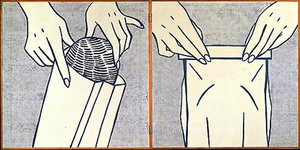
Breadbag
복제본 크기
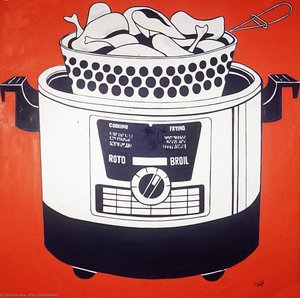
Roy Lichtenstein's "Breadbag," painted in 1961, isn’t a grand statement or a complex allegory; it’s deceptively simple. Yet, within its stark black and white palette and precise execution lies a potent distillation of the Pop Art movement’s core tenets – an interrogation of mass culture through the lens of familiar imagery. The artwork depicts two hands, rendered with bold, graphic lines characteristic of Lichtenstein's style, engaged in the mundane act of folding a paper bag containing bread. It’s a scene utterly devoid of drama or narrative, yet profoundly evocative of the era and the artist’s unique approach to representation.
The painting’s power resides in its meticulous detail and deliberate flatness. Lichtenstein consciously rejected traditional notions of illusionistic depth, opting instead for a style that mimicked the look of commercial printing – specifically, the flat, colored areas and Ben-Day dots found on comic books and advertisements. This technique, borrowed from the world of mass production, elevates an ordinary domestic task to the level of art. The thick outlines defining the hands and bag aren’t meant to create a realistic image; they are deliberately stylized, emphasizing the graphic nature of the work and echoing the visual language of advertising and popular culture.
“Breadbag” exemplifies Lichtenstein's signature Pop Art style with remarkable clarity. The limited color palette – a stark contrast between black and white – immediately draws attention to the composition’s structure and the precision of the lines. The hands, simplified into geometric shapes, are rendered with an almost mechanical accuracy, reflecting the artist’s fascination with industrial processes and consumer goods. Notice how Lichtenstein utilizes subtle variations in tone within the black areas, creating a sense of texture that mimics the appearance of printed paper. This attention to detail, combined with the deliberate flatness of the image, reinforces the artwork's connection to its source materials – commercial printing and mass-produced imagery.
The painting’s construction is remarkably straightforward. Lichtenstein likely employed oil paint on canvas, applying it in layers to achieve the desired effect. The use of Ben-Day dots, though subtle here, would have been a key element in creating the image's characteristic mottled appearance – a technique borrowed from comic book printing that adds visual interest and simulates the effects of halftone patterns.
While seemingly innocuous, “Breadbag” can be interpreted as a subtle critique of consumer culture. By focusing on such a commonplace activity—the simple act of preparing food—Lichtenstein forces us to consider the pervasiveness of packaging and the way in which everyday objects are transformed into symbols of consumption. The repetitive nature of the hands folding the bag mirrors the relentless cycle of production and consumption that defined much of 1960s America. The artwork’s stark simplicity serves as a reminder of the often-overlooked beauty and significance found within the mundane aspects of daily life.
Reproductions of “Breadbag” offer a compelling way to experience Lichtenstein's artistic vision. BuyPopArt’s hand-painted reproductions capture the essence of the original, faithfully recreating the bold lines, limited color palette, and subtle textures that define this iconic work. Whether displayed in a contemporary interior or as a collector’s piece, “Breadbag” continues to resonate with viewers today, serving as a testament to Lichtenstein's innovative approach to art and his enduring influence on Pop Art.
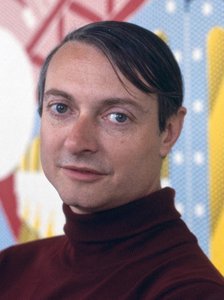
1923 - 1997 , 미국
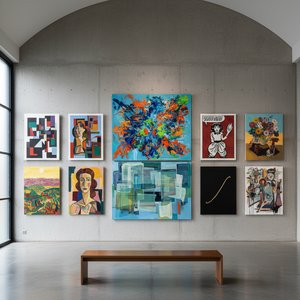
Explore 10 legendary 'Acrylic On Canvas' masterpieces by artists like Rothko, Warhol & Frankenthaler. Discover the stories behind these iconic paintings and their impact on modern art. Find museum-quality reproductions at – elevate your home with timeless beauty.
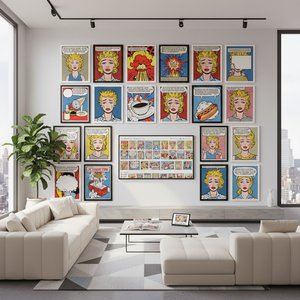
로이 리히텐슈타인의 최고 걸작 25선을 만나보세요. 팝 아트 거장의 대담한 색채와 독창적인 점묘법이 담긴 시대를 초월하는 예술 세계를 탐험하고, BuyPopArt에서 고품질 미술 작품을 소장하세요. 지금 바로 컬렉션을 확인하세요!

전문적인 호텔 공간 디자인을 위한 흑백 회색 추상화 활용법! 색채 심리학 기반의 분위기 조성 전략과 최적의 작품 선택 가이드 제공. 브랜드 가치 제고 노하우를 지금 확인하세요.
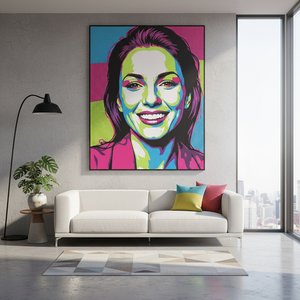
BuyPopArt에서 사진을 특별한 팝아트 유화로! 장인의 손길과 최고급 재료로 제작된 고품질 맞춤 그림으로 공간에 예술적 감각을 더하세요. 지금 바로 나만의 레거시를 만들어보세요!
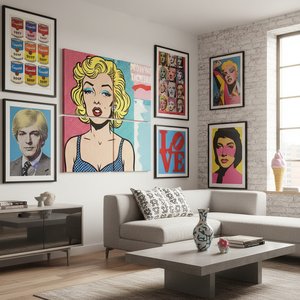
팝아트의 심장을 뛰게 한 10대 명작을 만나보세요! 안드로이 쇼팽, 앤디 워홀 등 거장의 작품 세계를 깊이 있게 탐구하고, 예술적 영감을 얻으세요. 와후아트에서 최고급 미술품 복제와 인테리어 아이디어를 지금 바로 확인하세요.


최신 미술 뉴스, 특별 혜택 및 인테리어 아이디어를 가장 먼저 만나보세요.
프로젝트에 대해 알려주시면 저희 미술 전문가들이 맞춤형 아트 제안 3가지를 전달해 드립니다.
당신만을 위한 맞춤형 옵션 3가지를 무료로 추천해 드립니다!


 미리보기
미리보기
 공유하기
공유하기 공유하기
공유하기
 상세 정보
상세 정보

 다운로드
다운로드
 유사 작품
유사 작품 X-레이
X-레이 슬라이드 쇼

 더 보기
더 보기









 유리 옵션은 110cm 미만 크기에서만 선택 가능합니다.