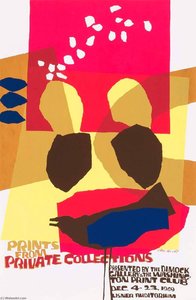
작품의 원본 비율을 유지하는 미리 설정된 크기 중에서 선택하세요.

특정 프레임이나 공간에 맞도록 직접 크기를 입력할 수 있습니다. 선택하신 크기가 원본 이미지의 비율과 일치하지 않는 경우, 작품을 자르거나 추가적인 손으로 그린 요소를 사용하여 그림을 확장합니다. 제작 시작 전 승인을 위해 디지털 목업을 보내드립니다.
화면 미리 보기는 실제 자르기 또는 확장을 반영하지 않습니다. 최종 구성은 목업을 통해서만 정확하게 확인하실 수 있습니다.
맞춤 크기 제작도 가능하지만, 원본 비율을 유지하기 위해 사전 정의된 목록에서 크기를 선택하시는 것을 권장합니다.

Ramat, Jerusalem
복제본 크기

Born in Santiago, Chile, in 1954, Soledad Salamé’s artistic journey is deeply rooted in a profound connection to both her homeland's dramatic landscapes and a burgeoning awareness of global environmental challenges. From an early age, she was immersed in the vibrant textures and colors of South America, experiences that would profoundly shape her distinctive approach to multimedia installations. Her formative years were marked by studies at Santiago College, culminating in a Bachelor of Fine Arts degree, followed by further artistic exploration in Caracas, Venezuela, where she honed her skills in graphic design and printmaking – disciplines that would later become integral components of her expansive practice.
Salamé’s career trajectory is characterized by a relentless pursuit of interdisciplinary dialogue. Initially influenced by the lush biodiversity of the Amazon rainforest, she began to synthesize scientific observation with artistic expression. This synthesis wasn't merely decorative; it was driven by a deep concern for ecological fragility and social justice. Her work quickly moved beyond traditional painting and sculpture, embracing innovative materials and techniques – glass casting, paper making, textiles, and even incorporating found objects – to create immersive environments that demanded active engagement from the viewer.
Salamé’s early installations, particularly those created in Venezuela during the 1980s and 90s, served as crucial laboratories for her evolving artistic language. The influence of the rainforest was palpable; she sought to capture its complex rhythms, textures, and inherent vulnerability through meticulously crafted pieces like “Garden of the Sacred Light” (1994). This work, constructed from wood, glass, and living plants, wasn’t simply a representation of nature but an attempt to embody its spirit—a testament to the ongoing process of growth, decay, and interconnectedness. Similarly, her exploration of the Tapojos River in 2001, leading to the creation of “Labyrinth of Solitude,” demonstrated a commitment to investigating environmental contamination and its impact on local communities.
These early projects established key themes that would continue to resonate throughout Salamé’s career: the interplay between art and science, the fragility of ecosystems, and the urgent need for ecological awareness. The use of natural materials—glass, paper, soil—was not arbitrary; it was a deliberate choice to ground her work in tangible realities and invite viewers to contemplate their own relationship with the environment.
Moving to Baltimore, Maryland, in 1983 marked a significant shift for Salamé. She established Sol Print Studios, a space dedicated to experimentation and collaboration—a hub where artists could explore new techniques and push the boundaries of their creative practice. This period witnessed an expansion into mixed media installations that increasingly incorporated technological elements. Her work began to address broader social issues alongside environmental concerns, including migration patterns driven by climate change and the impact of globalization on marginalized communities.
Notable examples from this era include “We The Migrants: Fleeing/Flooding” (2019), a powerful installation that confronted the human cost of ecological displacement. Her series "Amber" utilized resin to capture and preserve delicate details of decaying flora and fauna, creating hauntingly beautiful meditations on time, mortality, and the interconnectedness of life. The “City of Secrets” paintings, with their fragmented forms and evocative color palettes, explored themes of urban alienation and the hidden complexities of human experience.
Soledad Salamé’s work continues to be exhibited internationally, reflecting a sustained commitment to addressing pressing environmental and social issues. Her recent projects, such as “Camouflage” (2025), demonstrate an ongoing dialogue between art, science, and the human condition. This latest series builds upon her previous explorations of ecological vulnerability, utilizing textile techniques to transform images of the Atacama Desert—a region scarred by vast deposits of discarded textiles—into intricate camouflage patterns. These works serve as both a critique of consumer culture and a poignant reminder of the urgent need for sustainable practices.
Salamé’s legacy lies not only in her distinctive artistic style but also in her unwavering dedication to fostering interdisciplinary collaboration and raising awareness about critical global challenges. Her work invites viewers to engage with complex issues through a lens of beauty, empathy, and profound ecological responsibility.

1954 - , Chile

Explore the world of giclée prints with BuyPopArt. Learn about archival quality, aesthetic nuances & investment potential. Expert guidance for discerning art collectors seeking museum-quality reproductions and lasting value.

Explore the rich history & techniques of fine art prints. Discover investment potential, assess authenticity, and learn how to preserve your collection with expert guidance. Trusted insights for discerning collectors.

Explore 10 defining masterpieces of Romantic Realism! Discover Courbet, Millet & Daumier's powerful paintings—capturing emotion and social realities. Find museum-quality reproductions for your home at BuyPopArt.com.

Explore the profound history and technical mastery of woodcut relief printing. From ancient origins to German Expressionism, discover how artists use the subtractive process to create iconic works. A definitive guide for art students, collectors, and historians.
Explore the captivating world of vintage art prints! Discover their history, collecting tips & enduring appeal. Expert insights on chromolithography and building a legacy collection with BuyPopArt.


최신 미술 뉴스, 특별 혜택 및 인테리어 아이디어를 가장 먼저 만나보세요.
프로젝트에 대해 알려주시면 저희 미술 전문가들이 맞춤형 아트 제안 3가지를 전달해 드립니다.
당신만을 위한 맞춤형 옵션 3가지를 무료로 추천해 드립니다!


 미리보기
미리보기
 프린트 구매
 공유하기
공유하기 공유하기
공유하기
 상세 정보
상세 정보

 다운로드
다운로드
 유사 작품
유사 작품 X-레이
X-레이 슬라이드 쇼


 더 보기
더 보기






































 유리 옵션은 110cm 미만 크기에서만 선택 가능합니다.