LithographWallArtAbstract Expressionism
 1971
1971 103.0 x 72.0 cm
빠른 제작과 다양한 마감 옵션을 제공하는 박물관 품질의 지클레이 또는 캔버스 프린트. ( 손으로 그린 그림 구매 이미지 구매)





























작품의 원본 비율을 유지하는 미리 설정된 크기 중에서 선택하세요.

특정 프레임이나 공간에 맞춰 직접 치수를 입력하실 수 있습니다. 선택하신 사이즈가 원본 이미지의 비율과 일치하지 않을 경우, 작품을 크롭(자르기)하거나 이미지를 대칭 또는 단색 채우기로 확장하여 제작합니다. 제작 시작 전, 최종 확인을 위해 디지털 목업이 전송됩니다.
화면상의 미리보기는 실제 크롭이나 확장 상태를 반영하지 않으므로, 최종 구도는 오직 목업을 통해서만 정확하게 확인하실 수 있습니다.
맞춤 사이즈 제작도 가능하지만, 원본 비율을 유지하기 위해서는 사전 정의된 목록에서 치수를 선택하시는 것을 권장합니다.

The Marshes
복제본 크기
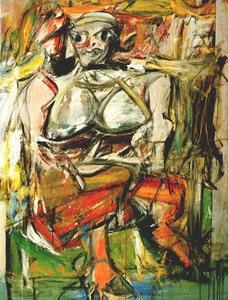
Willem de Kooning’s “The Marshes,” painted in 1971, stands as a cornerstone of American Abstract Expressionism—a movement defined by its rejection of representational art and its fervent pursuit of spontaneous emotion. Produced by Hollander Graphic Workshop and published by MOMA, this lithograph captures the essence of de Kooning’s distinctive style: bold brushstrokes, dynamic composition, and an unsettling exploration of psychological depth.
The artwork presents a landscape devoid of conventional perspective or recognizable forms—a marsh environment rendered in shades of black, grey, and white. Rather than depicting a specific scene, it prioritizes conveying feeling over visual accuracy. The image’s grainy texture speaks to the lithographic process itself, highlighting the materiality of the print medium and adding to its textural richness.
De Kooning's approach aligns perfectly with the broader tenets of Abstract Expressionism, which emerged in New York City after World War II as artists sought new ways to express trauma and anxiety. Influenced by Surrealist techniques—particularly automatism—the artist deliberately abandons control over his brushstrokes, allowing them to generate an energetic dance across the surface of the paper.
The composition is deliberately chaotic; overlapping shapes and lines intertwine without discernible hierarchy. This lack of focal point isn’t a weakness but rather a strategic choice designed to immerse the viewer in a sensory experience mirroring the turbulent emotions at play. The artist's intention was not to depict reality, but to capture the visceral impact of inner turmoil.
Further research into Willem de Kooning reveals his formative years spent grappling with familial discord and his early departure from formal schooling—experiences that undoubtedly fueled his artistic restlessness. His apprenticeship with a commercial art firm provided technical grounding while simultaneously nurturing a desire for creative liberation. Moving to America in 1926, he embraced the ethos of an outsider artist, forging a path toward groundbreaking innovation.
The lithograph medium itself contributes significantly to the artwork’s aesthetic qualities. The process involves transferring ink from a stone matrix onto paper, resulting in precise tonal gradations and subtle variations in texture—elements that amplify the painting's expressive power. Examining “The Marshes” alongside other works by de Kooning—particularly his ‘Woman’ series—offers valuable insight into the artist’s ongoing exploration of psychological complexity.
Considered alongside similar pieces from Stedelijk Museum De Lakenhal and complemented by biographical information on Willem van de Velde the Elder and Younger, “The Marshes” exemplifies the artistic fervor of the Dutch Golden Age. Its enduring appeal lies in its ability to evoke profound emotional responses—a testament to de Kooning’s mastery of Abstract Expressionist technique and his unwavering commitment to conveying raw feeling.
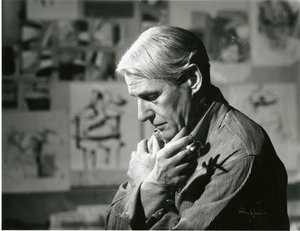
1904 - 1997 , 네덜란드

Dive into the high-voltage world of Abstract Expressionism. Explore the raw energy of Action Painting and the legendary masters of the New York School through a visual journey of pure chaos and color. Discover how to bring bold, high-impact abstract art into your modern space.

Master the high-impact world of contemporary abstraction. Discover how bold colors, textures, and modern movements like Abstract Expressionism can transform your space with premium, high-energy art curated for the design-conscious professional.

Dive into the high-energy world of Lyrical Abstraction. Explore how bold colors, fluid motion, and emotional depth define this modern masterpiece movement. Discover iconic artists and learn to bring this vibrant, soulful energy into your contemporary space.

Dive into the raw power of Abstract Expressionism. Explore the high-octane energy of action painting and color field mastery. Discover how these bold, visceral movements redefine modern interiors with high-impact, premium abstract art for the contemporary collector.


최신 미술 뉴스, 특별 혜택 및 인테리어 아이디어를 가장 먼저 만나보세요.
프로젝트에 대해 알려주시면 저희 미술 전문가들이 맞춤형 아트 제안 3가지를 전달해 드립니다.
당신만을 위한 맞춤형 옵션 3가지를 무료로 추천해 드립니다!


 미리보기
미리보기
 공유하기
공유하기 공유하기
공유하기
 상세 정보
상세 정보

 다운로드
다운로드
 유사 작품
유사 작품 X-레이
X-레이 슬라이드 쇼
 더 보기
더 보기









 유리 옵션은 110cm 미만 크기에서만 선택 가능합니다.