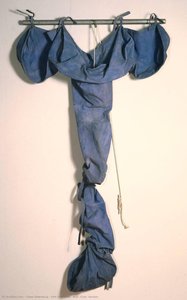
빠른 제작과 다양한 마감 옵션을 제공하는 박물관 품질의 지클레이 또는 캔버스 프린트. ( 손으로 그린 그림 구매 이미지 구매)
작품의 원본 비율을 유지하는 미리 설정된 크기 중에서 선택하세요.

특정 프레임이나 공간에 맞춰 직접 치수를 입력하실 수 있습니다. 선택하신 사이즈가 원본 이미지의 비율과 일치하지 않을 경우, 작품을 크롭(자르기)하거나 이미지를 대칭 또는 단색 채우기로 확장하여 제작합니다. 제작 시작 전, 최종 확인을 위해 디지털 목업이 전송됩니다.
화면상의 미리보기는 실제 크롭이나 확장 상태를 반영하지 않으므로, 최종 구도는 오직 목업을 통해서만 정확하게 확인하실 수 있습니다.
맞춤 사이즈 제작도 가능하지만, 원본 비율을 유지하기 위해서는 사전 정의된 목록에서 치수를 선택하시는 것을 권장합니다.

Cribbage
복제본 크기

William Heath (1795–1840) remains one of the most compelling, yet enigmatic, figures in the landscape of nineteenth-century British art. While his contemporaries often sought immortality through the sweeping grandeur of Romantic landscapes or the dignified stillness of aristocratic portraiture, Heath found his calling in the frantic, biting energy of the caricature. An artist who once described himself with humble precision as a “portrait & military painter,” he ultimately carved out a legacy defined by the sharp edge of social commentary and the intricate detail of the engraver’s needle. His work serves as a vivid, often irreverent, window into the soul of a Britain undergoing profound transformation—a nation caught between the rigid traditions of its past and the burgeoning, chaotic pulse of an industrial empire.
Born in Northumberland, England, Heath’s early life was shaped by a lineage of intellectual and professional stability; his father served as a solicitor and his grandfather as a clergyman. This foundation likely provided the observational discipline required for his later mastery of detail. His artistic journey was significantly molded by the influence of John Opie, a celebrated Romantic painter whose ability to infuse rural scenes with deep emotion left an indelible mark on Heath’s developing style. From Opie, Heath inherited a command of realism and a sensitivity to tonal depth, qualities that were first prominently displayed in his early military watercolors. These works, such as those found in The Martial Achievements and The Wars of Wellington, showcased a fascination with the kinetic energy of battle and a technical prowess that commanded respect long before he turned his gaze toward the satirical.
As the nineteenth century progressed, Heath’s focus shifted from the battlefield to the bustling streets and drawing rooms of London. It was during this period that he transitioned from a chronicler of military maneuvers to a master of social observation. His most enduring contribution to the visual culture of his era emerged through a brilliant collaboration with the playwright John Poole. Following the 1825 debut of the stage comedy Paul Pry, Heath began producing a series of engravings centered on the titular character—a figure defined by an insatiable, often intrusive, curiosity. Through these prints, Heath transformed a theatrical archetype into a powerful tool for satire, using the character of Pry to poke fun at the various strata of London society.
This era of his work was marked by a remarkable versatility in medium and message. Whether through lithographs or intricate engravings, Heath possessed an uncanny ability to distill complex social anxieties into instantly recognizable imagery. His talent for capturing the absurdities of contemporary life led him to adopt various personas, even publishing much of his most biting work under the pseudonym “Paul Pry” between 1827 and 1829. This period of prolific output allowed him to navigate the delicate boundaries of political cartooning, offering critiques that were as clever as they were unscrupulous. His ability to blend the fine lines of a trained painter with the wit of a satirist ensured that his work resonated deeply with a public hungry for both entertainment and social reflection.
Though his life was relatively short, ending in 1840, the impact of William Heath’s oeuvre continues to resonate within the study of British printmaking. He did not merely record history; he interpreted it through a lens of skepticism and humor. His work stands as a vital bridge between the classical traditions of the late eighteenth century and the more aggressive, populist political art that would define much of the Victorian era. To look upon a Heath engraving is to witness the tension of an age: the meticulousness of the old world clashing with the irreverent spirit of the new.
The historical significance of his contributions can be summarized through several key artistic pillars:
Today, the works of William Heath are cherished not only as artifacts of a bygone era but as masterclasses in the power of visual storytelling. His ability to find the profound within the ridiculous ensures that his voice, though once considered shadowy, remains strikingly clear in the annals of art history.

1795 - 1840 , United Kingdom


최신 미술 뉴스, 특별 혜택 및 인테리어 아이디어를 가장 먼저 만나보세요.
프로젝트에 대해 알려주시면 저희 미술 전문가들이 맞춤형 아트 제안 3가지를 전달해 드립니다.
당신만을 위한 맞춤형 옵션 3가지를 무료로 추천해 드립니다!


 미리보기
미리보기
 공유하기
공유하기 공유하기
공유하기
 상세 정보
상세 정보

 다운로드
다운로드
 유사 작품
유사 작품 X-레이
X-레이 슬라이드 쇼
 더 보기
더 보기






































 유리 옵션은 110cm 미만 크기에서만 선택 가능합니다.