

A Sanctuary of Art and Industry: The Soul of Birmingham
Nestled in the heart of England’s vibrant second city, the Birmingham Museum & Art Gallery stands as a profound testament to the enduring power of human creativity and industrial innovation. More than just a repository of beautiful objects, this institution serves as a living narrative where centuries of artistic expression intertw hacia the echoes of industrial might. The museum’s origins are deeply rooted in the burgeoning artistic community of 19th-century Birmingham, a city rapidly establishing itself as a global center for manufacturing and design. What began as an exhibition space established by the Birmingham Society of Artists in 1829 gradually evolved into a public institution through dedicated donations and parliamentary acts, ultimately finding its permanent home within a magnificent Victorian structure that dominates Chamberlain Square.
The architecture itself is a masterpiece of engineering, designed by Yeoville Thomason as a soaring example of cast-iron architecture. Crowned by the iconic “Big Brum” clock tower, which has become synonymous with the city’s identity, the exterior is adorned with a pediment symbolizing Birmingham’s contribution to both the arts and sciences. To walk through its doors is to enter a space where the grandeur of the Victorian era meets the pulse of a modern metropolis, offering an immersive journey through time, culture, and the very spirit of the West Midlands.
Pre-Raphaelite Dreams and Global Treasures
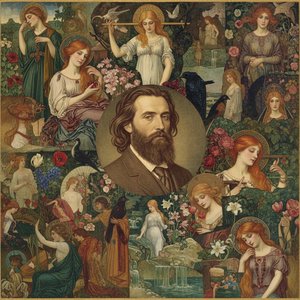
For the true connoisseur, the museum’s most celebrated jewel is undoubtedly its unparalleled collection of Pre-Raphaelite paintings. Stepping into these galleries feels like entering a different realm—one filled with romantic narratives, vibrant colors, and meticulous detail that demands close contemplation. The works of luminaries such as Dante Gabriel Rossetti, William Holman Hunt, and John Everett Millais transport viewers to worlds of myth and legend, inviting an emotional exploration of themes like beauty, love, and mortality. This collection offers a comprehensive overview of the movement’s stylistic innovations, marking Birmingham as a crucial hub for the Pre-Raphaelite Brotherhood.
Yet, the museum's treasures extend far beyond the borders of Britain. The monumental Sultanganj Buddha, a breathtaking bronze sculpture originating from India, commands immediate attention with its serene presence and exquisite craftsmanship. This ancient artifact serves as a powerful reminder of the interconnectedness of global cultures and the enduring legacy of spiritual traditions. Alongside this iconic piece, visitors can explore an extensive ceramics collection spanning various periods and styles, showcasing the technical skill of potters from around the globe, making the museum a destination of immense breadth for collectors and historians alike.
The Intersection of Heritage and Modernity
The story of the Birmingham Museum & Art Gallery is inextricably linked to the city's remarkable transformation from a market town to an industrial powerhouse. The Birmingham History Galleries delve into this metamorphosis, vividly illustrating the city’s pivotal role in shaping Britain’s manufacturing landscape. From innovations in ironworking and engineering to the delicate art of glassmaking, the exhibits reveal the lives of the people—from factory workers to entrepreneurs—who drove the city's rapid growth. The collection includes remarkable examples of Victorian industrial machinery and personal artifacts that offer intimate glimpses into the daily lives of Birmingham’s residents.
Today, the museum continues to evolve through engaging temporary exhibitions that cater to diverse contemporary interests. Whether celebrating local artisans in the "Made in Birmingham" showcase or offering unique cultural insights through modern biographical exhibits, the institution remains a dynamic force. With its unwavering commitment to public access and its ongoing efforts to digitize its collection, the museum ensures that the beauty of the past remains accessible to all, inspiring new generations of art lovers, designers, and thinkers to connect with the transformative power of culture.