

 Oil On CanvasWallArtBengal School
 14.0 x 9.0 cm
 Victoria Memorial Hall
Muziejų lygio „giclée“ arba drobos spausdinimas: greita gamyba ir lankstios apdailos parinktys. ( Perejti prie rankinio darbo paveikslėlio Perjungti į vaizdą)





























Pasirinkite iš mūsų nustatytų dydžių, atitinkančių originalaus meno kūrinio proporcijas.

Galite nurodyti savo matmenis, kad vaizdas atitiktų konkretų rėmą ar erdvę. Jei pasirinktas dydis nesutaps su originalaus paveikslėlio proporcijomis, mes arba apkirpsime kūrinį, arba išplėsime vaizdą naudojant veideliu atspindėtą arba vientisą šoną. Skaitmeninis maketas bus išsiųstas jums patvirtinti prieš pradedant gamybą.
Atkreipkite dėmesį, kad ekrane matomas vaizdinys neatspindi tikrojo apkirpimo ar išplėtimo. Tik maketas tiksliai parodytų galutinę kompoziciją.
Nors galima rinktis ir individualius dydžius, rekomenduojame pasirinkti vieną iš išanksti nustatytų matmenų, kad būtų išlaikytos originalios proporcijos.
Pristatymas visame pasaulyje () per 2 weeks, o ne įprastas 4/5 savaičių laikotarpis. (5 rugpjūtis)


Natir Puja
Reprodukcijos matmenys
Abanindranath Tagore’s *Natir Puja*, completed in 1932, stands as a pivotal work within the Bengal School of Art—a movement that sought to revitalize Indian painting by drawing inspiration from Mughal and Rajput traditions while simultaneously embracing Western aesthetic principles. More than just a depiction of a dancer performing a ballet inspired by Rabindranath Tagore’s stage drama, it embodies a profound dialogue between Eastern spirituality and artistic innovation.
The artwork itself is rendered in oil on canvas—a technique chosen deliberately to capture the dynamism of movement and imbue the scene with luminosity. Tagore eschewed the prevailing Western academic style, opting instead for a looser brushstroke approach that prioritizes expressive gesture over meticulous realism. This stylistic decision reflects Tagore’s broader commitment to Swadeshi values – a fervent belief in reclaiming Indian artistic heritage and rejecting colonial influences.
Beyond its formal elements, *Natir Puja* resonates with symbolic depth. The dancer's posture conveys a sense of meditative stillness juxtaposed with energetic movement—a visual representation of the harmonious balance between inner contemplation and outward expression. Tagore’s masterful use of color – predominantly ivory black accented by subtle hues – contributes to the artwork’s serene atmosphere, inviting viewers into a realm of contemplative beauty.
The painting's enduring appeal lies in its ability to capture not only a moment in time but also a spirit—a testament to Tagore’s visionary approach to art and his unwavering dedication to preserving India’s cultural heritage. It remains a cornerstone of the Bengal School’s legacy, continuing to inspire artists and collectors alike.

1871 - 1951 , Indija
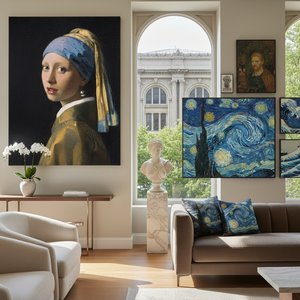
Atraskite 25 įspūdingiausius Metropoliteno meno muziejaus kūrinius! Claude Monet, van Gogh ir kiti meistrai – paveikslų istorijos, spalvų paletės bei interjero dekoravimo idėjos. Meno reprodukcijos aukščiausia kokybe BuyPopArt.com
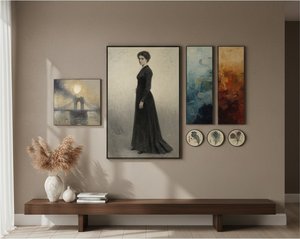
Atraskite 25 įspūdingiausius Džeimso Ebboto Maknilo Vislerio kūrinius! Tonalizmo meistras, noktiurnai ir portretai – meno istorijos šedevrai jūsų interjerui. Pirkti aukštos kokybės reprodukcijas BuyPopArt.com

Atraskite Detroito meno instituto 25 geriausius šedevrus! Van Goghas, Monet ir kiti garsūs dailininkai. Tapybos istorijos, interjero dekoravimo idėjos bei aukštos kokybės reprodukcijos BuyPopArt.com. Explore the full collection online!
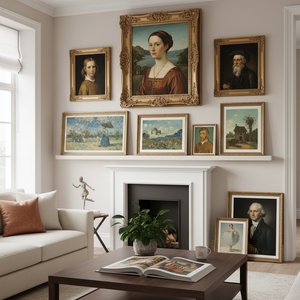
Atraskite 25 Nacionalinės galerijos meno perlus! Išsami istorija apie Monet, Picasso ir kitų žymiausių dailininkų kūrinius. Įkvėpimo interjerui ir aukštos kokybės meno reprodukcijos – BuyPopArt.com
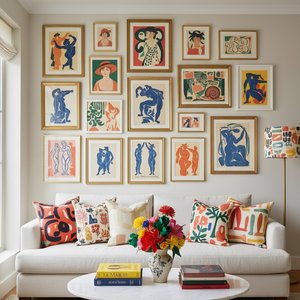
Atraskite 25 įspūdingiausius Henri Matisse šedevrus! Sužinokite apie Fauvizmą, spalvų magiją ir prancūzų dailininko kūrybos istorijas. Meno reprodukcijos jūsų interjerui – BuyPopArt.com


Sekite naujausias meno naujienas, išskirtinius pasiūlymus ir dekoravimo idėjas.
Pasakokite mums apie savo projektą, o mūsų meno ekspertai parengs jums 3 asmeniškus meno pasiūlymus.
Leiskite mums parinkti 3 variantus būtent jums – nemokamai!


 Peržiūrėti realybėje
 Pasidalinti
 Dalintis
 Išsamiau

 Atsisiųsti
 Panašūs eksponatai
 Rentgeno nuotrauka
 Automatinė diorama
 Skaityti daugiau







 Stiklo variantas prieinamas tik pasirinkus dydį iki 110 cm


