

Muziejų lygio „giclée“ arba drobos spausdinimas: greita gamyba ir lankstios apdailos parinktys. ( Pirkti rankomis tapytą paveikslą Pirkti vaizdą)





























Pasirinkite iš mūsų nustatytų dydžių, atitinkančių originalaus meno kūrinio proporcijas.

Galite nurodyti savo matmenis, kad vaizdas atitiktų konkretų rėmą ar erdvę. Jei pasirinktas dydis nesutaps su originalaus paveikslėlio proporcijomis, mes arba apkirpsime kūrinį, arba išplėsime vaizdą naudojant veideliu atspindėtą arba vientisą šoną. Skaitmeninis maketas bus išsiųstas jums patvirtinti prieš pradedant gamybą.
Atkreipkite dėmesį, kad ekrane matomas vaizdinys neatspindi tikrojo apkirpimo ar išplėtimo. Tik maketas tiksliai parodytų galutinę kompoziciją.
Nors galima rinktis ir individualius dydžius, rekomenduojame pasirinkti vieną iš išanksti nustatytų matmenų, kad būtų išlaikytos originalios proporcijos.
Pristatymas visame pasaulyje () per 2 weeks, o ne įprastas 4/5 savaičių laikotarpis. (20 rugpjūtis)


Eastern Point, Gloucester
Reprodukcijos matmenys
The painting before us, "Coastal Serenity," attributed to Abbott Fuller Graves, offers a captivating glimpse into the burgeoning world of American Impressionism in the early 20th century. Executed around 1913, this work transcends a simple depiction of a coastal landscape; it’s a carefully constructed meditation on light, color, and the profound connection between humanity and nature – a hallmark of Graves's distinctive style. Born in Weymouth, Massachusetts, Graves honed his artistic skills through rigorous training in Europe, absorbing the revolutionary techniques championed by artists like Claude Monet and Pierre-Auguste Renoir, yet ultimately forging a uniquely American interpretation.
Graves's masterful use of color is central to the painting’s impact. He wasn’t simply observing; he was actively engaged in understanding and manipulating light, a key principle championed by scientists like Michel Eugène Chevreul. The dominant blues and greens of the sea shift and shimmer depending on the angle of observation – a direct reflection of Graves's meticulous study of color theory. Note the subtle variations in hue within the lighthouse’s structure, achieved through careful layering and blending, creating an illusion of volume and reflecting light realistically.
This deliberate approach to color reflects the broader scientific interest in optics and perception that fueled the Impressionist movement.Beyond its purely aesthetic qualities, “Coastal Serenity” carries a subtle narrative weight. The lighthouse, a traditional symbol of guidance and hope, anchors the composition and suggests themes of resilience and navigation – both literal and metaphorical. The solitary dwelling hints at themes of isolation and self-sufficiency, yet also evokes a sense of belonging within this wild landscape. The artist’s choice to depict a working fisherman's home adds a layer of social commentary, celebrating the lives of those who depended on the sea for their livelihood.
Abbott Fuller Graves remains a significant figure in American art history, recognized for his evocative depictions of New England’s coastal landscapes. “Coastal Serenity” exemplifies his ability to translate scientific understanding into emotionally resonant imagery. Reproductions of this piece offer an accessible entry point into the world of Impressionism, allowing viewers to appreciate the beauty and intellectual rigor that defined this pivotal movement – a movement that profoundly shaped the course of modern art.

1859 - 1936 , Jungtinės Amerikos Valstijos
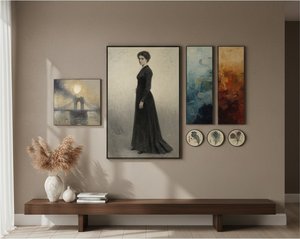
Atraskite 25 įspūdingiausius Džeimso Ebboto Maknilo Vislerio kūrinius! Tonalizmo meistras, noktiurnai ir portretai – meno istorijos šedevrai jūsų interjerui. Pirkti aukštos kokybės reprodukcijas BuyPopArt.com
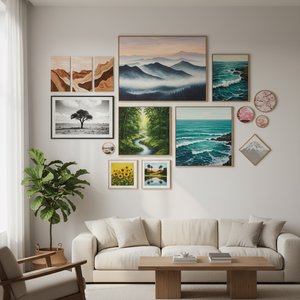
Journey through 10 breathtaking landscape paintings by Monet, Van Gogh & more! Explore iconic artworks, artistic techniques & find inspiration for your home decor. Museum-quality reproductions at BuyPopArt.com. Discover all masterpieces on BuyPopArt.com
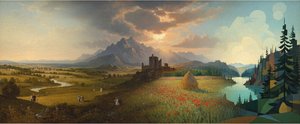
Explore the rich history of landscape art with BuyPopArt. Discover renowned artists, movements like Impressionism & Romanticism, and expert guidance for collecting timeless pieces. Find your perfect serene escape today!

Explore the rich history of landscape art with BuyPopArt. Discover renowned artists, movements like Impressionism & tonalism, and expert guidance for collecting timeless pieces. Find your perfect serene escape today!
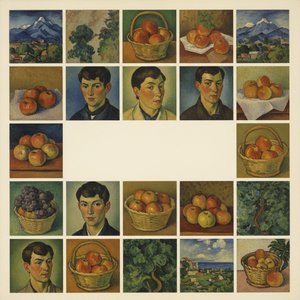
Atraskite 25 Paul Cézanno šedevrus! Išsami analizė, istorijos ir įkvėpimas interjero dekorui. Modernus menas, impresionizmas, natiurmortai – viskas BuyPopArt.com. Explore the full collection online!


Sekite naujausias meno naujienas, išskirtinius pasiūlymus ir dekoravimo idėjas.
Pasakokite mums apie savo projektą, o mūsų meno ekspertai parengs jums 3 asmeniškus meno pasiūlymus.
Leiskite mums parinkti 3 variantus būtent jums – nemokamai!


 Peržiūrėti realybėje
 Pasidalinti
 Dalintis
 Išsamiau

 Atsisiųsti
 Panašūs eksponatai
 Rentgeno nuotrauka
 Automatinė diorama

 Skaityti daugiau







 Stiklo variantas prieinamas tik pasirinkus dydį iki 110 cm


