

 1890
1890 150.0 x 200.0 cm
 Šiuolaikinio meno galerija
Rankiniu būdu tapytas aliejus ant droblio jūsų pageidaujamame dydį ir rėmuose – mūsų menininkų darbas pagal užsakymą. ( Perejti prie spausdinimo Perjungti į vaizdą)
Pasirinkite iš mūsų nustatytų dydžių, atitinkančių originalaus meno kūrinio proporcijas.

Galite įvesti savo matmenis, kad jie atitiktų konkretų rėmą ar erdvę. Jei pasirinktas dydis neatitinka originalaus paveikslėlio proporcijų, mes arba apkropsime meno kūrinį, arba papildysime tapybą rankomis dažytい elementais. Prieš pradėdami gamybą, jūsų patvirtinimui atsiųsime skaitmeninį maketą.
Atkreipkite dėmesį, kad ekrane rodomas vaizdas neatspindi tikrojo apkarpymo ar papildymo. Tik maketas tiksliai parodys galutinę kompoziciją.
Nors galima rinktis ir individualius dydžius, rekomenduojame pasirinkti matmenis iš nustatytos sąrašo, kad būtų išlaikytos originalios proporcijos.
Pristatymas visame pasaulyje () per 3–4 savaites, o ne įprastai – per 5 savaites. (31 liepa). Kokybė lieka nepakeičiama.


Spring
Reprodukcijos matmenys
Adolfo Tommasi, born in Livorno in 1851, emerged as a prominent figure in Italian painting during the late nineteenth century. His artistic journey was marked by a fascination with capturing the essence of Tuscany’s landscapes and rural life—a pursuit that cemented his reputation as one of the foremost practitioners of Tuscan Impressionism.
Tommasi's formative years were spent in Livorno, where he honed his artistic skills under the tutelage of Silvestro Lega, a celebrated Florentine painter who instilled in him a profound appreciation for plein air painting—working directly from nature. Lega’s influence extended beyond technique; it fostered a belief in observing and portraying the world with honesty and sensitivity. Tommasi also briefly studied at Carlo Markò the Younger's academy, though he quickly recognized that academic conventions didn’t align with his artistic vision.
Tommasi’s breakthrough came in 1880 with “Dopo la brinata” (“After the Frost”), a controversial yet undeniably impactful painting depicting a cabbage field ravaged by frost. The artwork sparked considerable debate amongst critics and fellow artists, primarily due to its unflinching portrayal of agricultural hardship. However, it also garnered significant acclaim from luminaries like Signorini and Giovanni Pascoli, who lauded Tommasi’s ability to convey emotion and atmosphere with remarkable precision.
Throughout his career, Tommasi produced numerous landscapes and genre scenes that exemplify the Tuscan Impressionist style. His paintings captured the subtle nuances of light and color—a hallmark of this movement—and conveyed a deep connection to the rural environment. Key achievements included:
Tommasi’s unwavering commitment to naturalistic observation profoundly shaped the trajectory of Tuscan painting. He championed plein air painting—a technique that prioritized direct engagement with the subject matter—and skillfully employed pastel and oil paints to achieve luminous effects and textural richness. His legacy continues to inspire artists today who strive to capture the beauty and complexity of the natural world with authenticity and empathy.
Furthermore, his work served as an important catalyst for discussions about artistic representation and social commentary. “Dopo la brinata,” in particular, challenged conventional aesthetic standards and prompted critical reflection on the realities faced by rural communities.

1851 - 1933


Sekite naujausias meno naujienas, išskirtinius pasiūlymus ir dekoravimo idėjas.
Pasakokite mums apie savo projektą, o mūsų meno ekspertai parengs jums 3 asmeniškus meno pasiūlymus.
Leiskite mums parinkti 3 variantus būtent jums – nemokamai!


 Peržiūrėti realybėje
 Pasidalinti
 Dalintis
 Išsamiau

 Atsisiųsti
 Panašūs eksponatai
 Rentgeno nuotrauka
 Automatinė diorama
 Skaityti daugiau
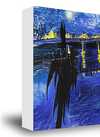
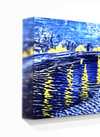
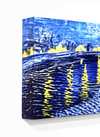


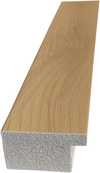
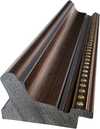
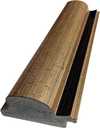
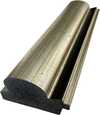
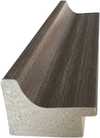
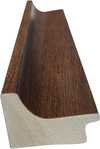
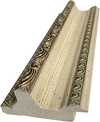
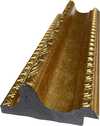
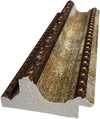
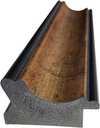
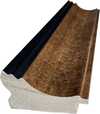
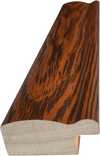


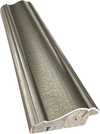
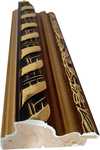
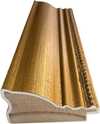
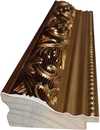
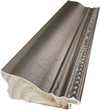
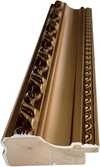
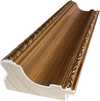
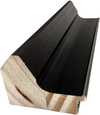
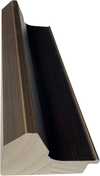

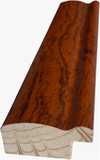
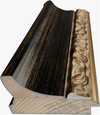
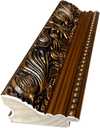

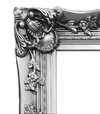
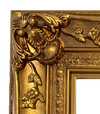
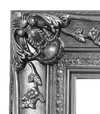
 Stiklo variantas prieinamas tik pasirinkus dydį iki 110 cm


