Acrylic On CanvasWallArtNorthern Renaissance
 1507
1507 209.0 x 81.0 cm
 Prado muziejus
Muziejų lygio „giclée“ arba drobos spausdinimas: greita gamyba ir lankstios apdailos parinktys. ( Perejti prie rankinio darbo paveikslėlio Perjungti į vaizdą)





























Pasirinkite iš mūsų nustatytų dydžių, atitinkančių originalaus meno kūrinio proporcijas.

Galite nurodyti savo matmenis, kad vaizdas atitiktų konkretų rėmą ar erdvę. Jei pasirinktas dydis nesutaps su originalaus paveikslėlio proporcijomis, mes arba apkirpsime kūrinį, arba išplėsime vaizdą naudojant veideliu atspindėtą arba vientisą šoną. Skaitmeninis maketas bus išsiųstas jums patvirtinti prieš pradedant gamybą.
Atkreipkite dėmesį, kad ekrane matomas vaizdinys neatspindi tikrojo apkirpimo ar išplėtimo. Tik maketas tiksliai parodytų galutinę kompoziciją.
Nors galima rinktis ir individualius dydžius, rekomenduojame pasirinkti vieną iš išanksti nustatytų matmenų, kad būtų išlaikytos originalios proporcijos.
Pristatymas visame pasaulyje () per 2 weeks, o ne įprastas 4/5 savaičių laikotarpis. (3 rugpjūtis)


Eve
Reprodukcijos matmenys
Albrecht Dürer’s “Eve,” completed in 1507, stands as a monumental achievement within the artistic landscape of the German Renaissance. Currently residing at the Museo del Prado in Madrid, Spain—a pilgrimage for any serious devotee of European art history—this oil on panel painting transcends mere visual representation; it embodies profound theological contemplation and masterful technical execution.
More than just a depiction of biblical narrative, “Eve” is an exploration of human vulnerability and the seductive allure of temptation. Dürer meticulously captures the figure of Adam’s wife—a nude woman positioned before a stylized tree bearing fruit—reflecting the pivotal moment recounted in Genesis where Eve succumbed to Satan's deceit.
Dürer’s technique is characterized by an unwavering commitment to realism, achieved through the skillful application of oil paint on panel. This medium allowed him to achieve unparalleled luminosity and depth of color—a significant departure from tempera painting prevalent at the time—capturing subtle nuances in skin tone and drapery folds with astonishing accuracy. The artist’s anatomical studies informed his portrayal of Eve's body, demonstrating a deep understanding of human musculature and skeletal structure.
The tree bearing fruit serves as a potent symbol—representing the Tree of Knowledge of Good and Evil—and embodies the theological core of the biblical story. The fruit itself is depicted with meticulous detail, mirroring Dürer’s fascination with botanical observation. Beyond its religious significance, “Eve” speaks to broader themes of innocence lost and the consequences of disobedience, prompting viewers to consider questions of morality and spiritual struggle.
The Museo del Prado houses a remarkable collection of European art spanning centuries—a testament to Spain’s rich cultural heritage. To experience the grandeur and artistry of “Eve” firsthand is an unforgettable journey into the heart of Renaissance thought. Fortunately, BuyPopArt.com offers exceptional reproductions crafted by skilled artisans, allowing you to bring this iconic masterpiece into your home or workspace.
Dürer’s artistic vision resonated with contemporaries like Leonardo da Vinci and Michelangelo—artists who similarly wrestled with the complexities of human form and spiritual aspiration. Exploring these kindred spirits offers invaluable insight into the intellectual currents shaping European art during this transformative period.
For those seeking inspiration from comparable artistic endeavors, consider examining the works of Girolamo Muziano—a Florentine painter celebrated for monumental figures and Michelangelo-inspired compositions. Similarly, Theodore de Bry’s engravings documented the exploration of America with remarkable detail—reflecting a shared fascination with observation and representation.
Finally, immerse yourself in the artistic traditions of Japan through Murai Sadakatsu's paintings—capturing scenes from the Sengoku period with vivid color and expressive brushstrokes. These artists exemplify the spirit of innovation and artistic excellence that characterized their respective eras.

1471 - 1528 , Italija
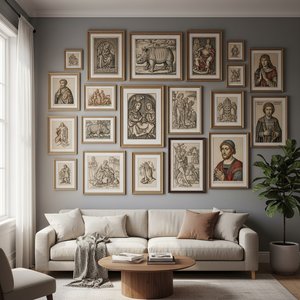
Explore 25 iconic artworks by Albrecht Dürer, a master of the German Renaissance. Discover the stories behind Melencolia I, Knight Death and Devil & more. Find museum-quality art reproductions for your home at BuyPopArt.com.
Atraskite 25 įspūdingiausius 'Alte Pinakothek' šedevrus! Renesanso ir Baroko paveikslai, Albrecht Dürer, Rembrandtas ir kiti garsūs menininkai. Įkvėpkite interjerui su aukštos kokybės reprodukcijomis – BuyPopArt.com

Atraskite 25 įspūdingiausius Britų muziejaus meno kūrinius! Išsami istorija, dailininkai ir technikos. Puikios idėjos interjero dekorui su reprodukcijomis aukščiausia kokybe. Explore the full collection online!

Atraskite 10 Šiaurės Renesanso šedevrų, kurie formavo Europos meną! Jan van Eyck, Dürer ir kiti meistrai – jų kūriniai, istorijos bei spalvos. Aukščiausios kokybės tapybos reprodukcijos jūsų namams. Išskirtinis dizainas BuyPopArt.com!

Atraskite 25 Sandro Botticelli šedevrus! Gilinkitės į Renesanso meno istoriją, Venus gimimą ir Primavera paslaptis. Meno reprodukcijos jūsų interjerui – BuyPopArt.com.


Sekite naujausias meno naujienas, išskirtinius pasiūlymus ir dekoravimo idėjas.
Pasakokite mums apie savo projektą, o mūsų meno ekspertai parengs jums 3 asmeniškus meno pasiūlymus.
Leiskite mums parinkti 3 variantus būtent jums – nemokamai!


 Peržiūrėti realybėje
 Pasidalinti
 Dalintis
 Išsamiau

 Atsisiųsti
 Panašūs eksponatai
 Rentgeno nuotrauka
 Automatinė diorama
 Skaityti daugiau







 Stiklo variantas prieinamas tik pasirinkus dydį iki 110 cm