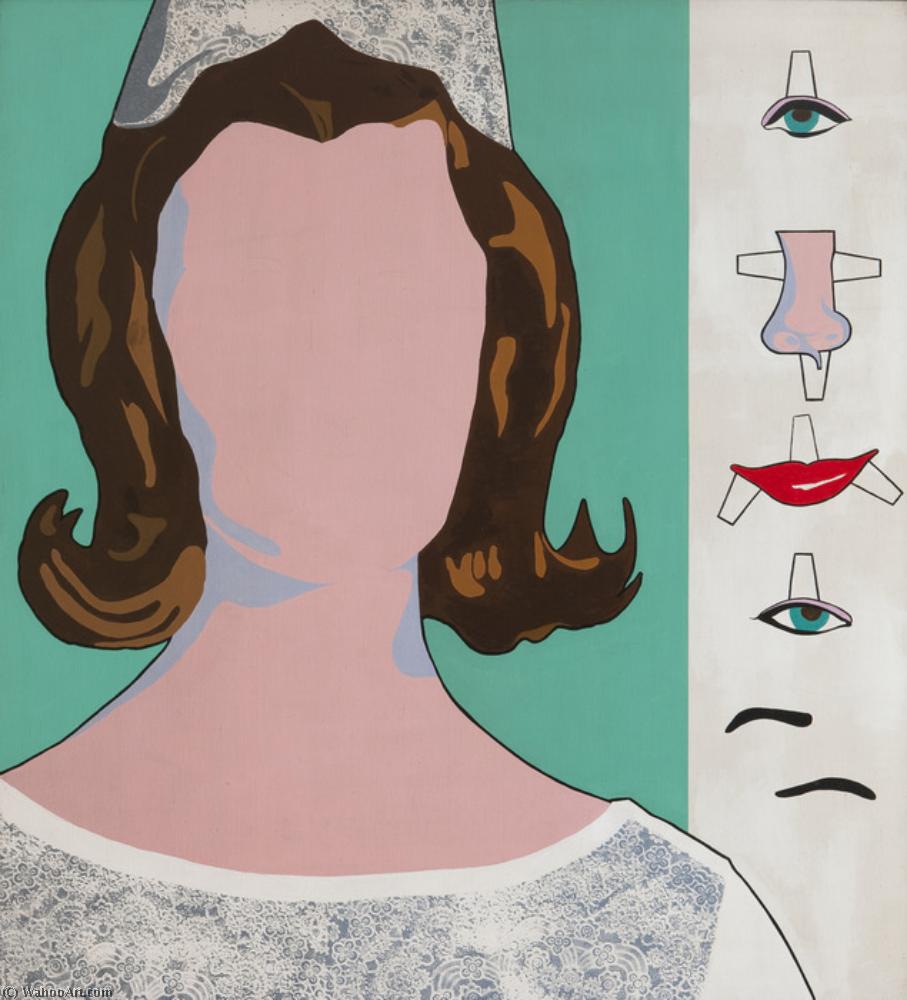
Įsigykite aukštos skiriamosios raiškos, patobulintą skaitmeninį vaizdą, gerokai pranašesnį už internetinę peržiūrą.
Kiekvieną failą mūsų specialistai kruopščiai paruošia naudojant pažangias technologijas ir profesionalų rankinį retušavimą. Užtikriname, kad kiekvienas vaizdas pasižymėtų išskirtiniu aiškumu, tikslia spalvų atspalviu ir smulkiomis detalėmis.
Baigiamas failas el. paštu pristatomas per 72 valandas; jis optimizuotas nedelsiant naudojimui profesionalioje, redakcinėje ir spausdinimo aplinkoje. Tai ta pati kokybė, kuria pasitiki aukščiausios klasės dizaino studijos, leidyklos ir galerijos.
Atsisiųskite didelės raiškos failą asmeniniam naudojimui, spausdinimui ir kūrybiniams projektams. ( Pirkti spaudinį Pirkti rankomis tapytą paveikslą)
Pasirinkę BuyPopArt.com, jūs ne tik gaunate paveikslėlį – jūs gaunate profesionaliai patobudintą skaitmeninį kūrinį, sukurtą itin tikniai ir užtikrinantį pasitenkinimą. Štai viską, kas automatiškai pritékia jūsų užsakymui:

Jūsų aukštos raiškos skaitmeninis vaizdo failas bus išsiųstas jums el. paštu per 72 valaudas nuo užsakymo – paruoštas naudojimui be jokių papildomų veiksmų.

Jūsų meno kūrinys profesionaliai optimizuojamas naudojant pažangius dirbtinio intelekto įrankius ir rankinį redagavimą, užtikrinant maksimalią detalę, aiškumą ir spalvų tikslumą.

Atsitiktinai ištrytikote ar praradote savo failą? Nebijokite – bet kuriuo metu atsiųsime jį jums vėl nemokamai.

Mėgaukitės savo meno kūriniu akimirka – skaitiniai failai visada yra neapmokestinami, todėl nereikės mokėti muitinės, mokesčių ar pristatymo mokesčių.

Naudodami profesionalią įrangą ir spalvų valdymo sistemas, užtikriname, kad jūsų skaitmeninis vaizdas kuo tiksliau atspindėtų originalias spalvas.

Jei nebuvate patenkinti savo skaitinio vaizdo, per 60 dienų jį pertaisysime arba grąkinsime 100% sumą – be jokių klausimų.

Nepat 만족inti? Gaukite visą sumokėtą sumą per 60 dienų nuo skaitmeninio failo gavimo – be jokių papildomų klausimų.

Pirkti 3 nuotraukas – pasiūla 10% - Pirkti 5 – pasiūla 15% - Pirkti 10 ir daugiau – pasiūla 20%. Puikiai tinka kūrybiniams projektams, galerijoms bei agentūroms.

Allan D’Arcangelo (1930-1998) remains a quietly compelling figure in 20th-century American art, an artist who eschewed the limelight yet produced work of remarkable depth and resonance. Often categorized as a Pop artist, his oeuvre transcends simple labels, drawing instead from Minimalism, Precisionism, Surrealism, and a distinctly American sensibility—a cautious gaze upon the nation’s evolving landscape and its complex relationship with modernity. Born in Buffalo, New York, to Italian immigrant parents, D’Arcangelo's early life instilled within him a deep appreciation for both his heritage and the vastness of the American experience, themes that would become central to his artistic explorations.
D’Arcangelo’s formal education began at the University at Buffalo in 1948, where he earned a bachelor's degree in history. This academic grounding—a study of time and narrative—proved surprisingly influential in shaping his visual language. Following college, he moved to New York City, immersing himself in the vibrant art scene of the late 1950s and early 60s, encountering Abstract Expressionism, a movement that initially captivated him but ultimately proved too emotionally driven for his artistic temperament. Seeking a more disciplined approach, D’Arcangelo spent several years in Mexico City, honing his skills and developing a distinctive style characterized by clean lines, geometric forms, and a deliberate restraint.
D’Arcangelo's breakthrough came in 1962 with his contribution to *The International Anthology of Contemporary Engraving: America Discovered*, an etching that signaled the beginning of his recognition within the art world. His first solo exhibition followed in 1964 at the Thibaud Gallery, establishing a reputation for meticulously rendered images of American highways and road signs. These weren’t idyllic depictions of open roads; rather, they were stark, almost clinical representations of infrastructure—a visual meditation on distance, movement, and the increasingly mediated experience of travel. The repetitive patterns of signage, the endless stretches of asphalt, and the subtle shifts in perspective created a sense of both familiarity and alienation, reflecting a growing unease about America’s trajectory.
His work during this period—including pieces like “Place of Assassination” (1965), depicting the site of John F. Kennedy's assassination—demonstrates a willingness to engage with contemporary events, but always through a detached, almost objective lens. He wasn’t interested in overt political commentary; instead, he sought to capture the emotional atmosphere surrounding these moments, using geometric forms and muted colors to convey a sense of melancholy and uncertainty. Influences from de Chirico's surreal landscapes and Dali's dreamlike imagery are subtly present, adding layers of psychological depth to his seemingly straightforward compositions.
While often associated with Pop Art due to the subject matter of his paintings—including images of Superman, Marilyn Monroe, and Jacqueline Kennedy—D’Arcangelo resisted easy categorization. He shared certain techniques with Pop artists, such as the use of screenprinting and assemblage, but his primary concern was not consumerism or celebrity culture. Instead, he used these familiar motifs to explore broader themes of American identity, the impact of technology on human experience, and the anxieties of a rapidly changing world. His work can be seen as a subtle critique of the commodification of images and the erosion of authentic experience in a mass-mediated society.
In the 1970s, D’Arcangelo shifted his focus to expansive landscapes—particularly the Grand Coulee Dam in Washington state—commissioned by the Department of the Interior. These monumental paintings, characterized by their cool color palettes and precise geometric forms, further solidified his reputation as a master of Minimalism. However, despite achieving significant recognition within the art world, D’Arcangelo remained politically active, quietly engaging with issues such as environmentalism and anti-Vietnam War protests through his work.
Allan D'Arcangelo died in New York City in 1998, leaving behind a body of work that continues to resonate today. His paintings are characterized by their quiet intensity, their meticulous attention to detail, and their subtle yet profound exploration of the American experience. While he avoided the spotlight, his art speaks volumes about the complexities of modern life—a silent road leading through the landscape of the 20th century.
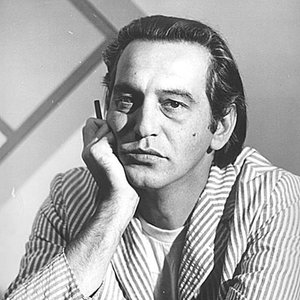
1930 - 1998


Sekite naujausias meno naujienas, išskirtinius pasiūlymus ir dekoravimo idėjas.
Pasakokite mums apie savo projektą, o mūsų meno ekspertai parengs jums 3 asmeniškus meno pasiūlymus.
Leiskite mums parinkti 3 variantus būtent jums – nemokamai!


 Peržiūrėti realybėje
 Pasidalinti
 Dalintis
 Išsamiau

 Atsisiųsti
 Panašūs eksponatai
 Rentgeno nuotrauka
 Automatinė diorama
 Skaityti daugiau