Akrilas ant drobėsSieninis menasBaroque
 1596Renesansas
 94.0 x 119.0 cm
 Hermitage muziejus
Muziejų lygio „giclée“ arba drobos spausdinimas: greita gamyba ir lankstios apdailos parinktys. ( Perejti prie rankinio darbo paveikslėlio Perjungti į vaizdą)





























Pasirinkite iš mūsų nustatytų dydžių, atitinkančių originalaus meno kūrinio proporcijas.

Galite nurodyti savo matmenis, kad vaizdas atitiktų konkretų rėmą ar erdvę. Jei pasirinktas dydis nesutaps su originalaus paveikslėlio proporcijomis, mes arba apkirpsime kūrinį, arba išplėsime vaizdą naudojant veideliu atspindėtą arba vientisą šoną. Skaitmeninis maketas bus išsiųstas jums patvirtinti prieš pradedant gamybą.
Atkreipkite dėmesį, kad ekrane matomas vaizdinys neatspindi tikrojo apkirpimo ar išplėtimo. Tik maketas tiksliai parodytų galutinę kompoziciją.
Nors galima rinktis ir individualius dydžius, rekomenduojame pasirinkti vieną iš išanksti nustatytų matmenų, kad būtų išlaikytos originalios proporcijos.
Pristatymas visame pasaulyje () per 2 weeks, o ne įprastas 4/5 savaičių laikotarpis. (5 rugpjūtis)


Lute Player
Reprodukcijos matmenys
Michelangelo Merisi da Caravaggio (1571–1610), universally known as Caravaggio, stands as one of the most influential figures in Baroque art. His revolutionary approach to painting—characterized by dramatic chiaroscuro, unflinching realism, and psychological depth—continues to captivate audiences centuries later. This essay delves into an analysis of “The Lute Player,” examining its artistic merits, historical significance, and enduring emotional resonance.
Background: Caravaggio’s early biographer Giovanni Baglione recounts a tale that encapsulates the artist's ethos: he painted for Cardinal Francesco Maria del Monte a young man who played the lute, portraying him with such vibrancy and conviction that it seemed utterly alive. This depiction—a cornerstone of Caravaggio’s oeuvre—was executed in 1596 and resides in the Wildenstein Collection.
Composition & Technique: The painting depicts a solitary young man absorbed in music, accompanied by a lute positioned prominently before him. Caravaggio masterfully employs chiaroscuro – the interplay of light and shadow – to sculpt the figure’s form and imbue it with palpable emotion. Light emanates from a single window, casting dramatic highlights across the boy's face and torso while enveloping the surrounding space in deep darkness. This technique wasn’t merely stylistic; Caravaggio meticulously studied anatomy and observation, striving for an unprecedented level of accuracy.
Symbolism & Elements: Beyond its technical brilliance, “The Lute Player” is laden with symbolic meaning. The lute itself represents musical artistry and contemplation, while the vase on either side symbolizes harmony and abundance. Scattered fruits—apples and oranges—further enrich the composition, symbolizing fertility and prosperity. Notably, Caravaggio’s choice of instruments reflects the cultural milieu of his time – Florentine madrigals by Jacques Arcadelt were selected for performance.
Historical Context & Influence: Caravaggio's work emerged during a period marked by religious fervor and artistic experimentation. He challenged prevailing conventions, rejecting idealized representations in favor of gritty realism that mirrored the human condition. His influence extended far beyond Rome, inspiring artists like Diego Velázquez and Theodor Rombouts who adopted his dramatic lighting style.
Reproductions & Legacy: BuyPopArt.com offers meticulously crafted oil painting reproductions and prints on canvas of “The Lute Player,” preserving Caravaggio’s masterpiece with exceptional fidelity. These reproductions are created by skilled artisans, ensuring that the luminous beauty and emotional intensity of this iconic artwork endure for generations to come.
Conclusion: “The Lute Player” remains a testament to Caravaggio’s unparalleled artistic vision—a profound exploration of human emotion conveyed through masterful technique and imbued with enduring symbolic significance. It stands as an exemplar of Baroque art, captivating viewers worldwide and cementing Caravaggio's place among the greatest painters in history.
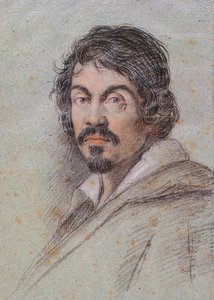
1571 - 1610 , Ispanija

Explore the dramatic world of Baroque art! Discover iconic artists like Caravaggio & Rubens, defining techniques, and its lasting impact on art history. Expert insights for collectors & enthusiasts at BuyPopArt.

Atraskite 10 baroko šedevrų, kurie apibrėžė epoką! Karolis Rubenzas, Berninis ir kiti meistrai – jų kūriniai, istorijos bei spalvos. Aukščiausios kokybės dailės reprodukcijos ir interjero įkvėpimas BuyPopArt.com. Išnagrinėkite visą kolekciją internete!

Explore the dramatic world of Baroque Realism! Discover iconic artists like Caravaggio & Rubens, their techniques, and the movement's lasting impact on art history. Expert insights for collectors & enthusiasts.

Explore the dramatic world of Baroque art! Discover iconic masters like Caravaggio & Rembrandt, their techniques, and the movement's lasting impact. Expert insights for collectors & enthusiasts at BuyPopArt.

Explore the revolutionary realism of Caravaggio! Discover his mastery of light & shadow (tenebrism), dramatic religious scenes, and lasting influence on Baroque art history. A comprehensive guide for art enthusiasts.


Sekite naujausias meno naujienas, išskirtinius pasiūlymus ir dekoravimo idėjas.
Pasakokite mums apie savo projektą, o mūsų meno ekspertai parengs jums 3 asmeniškus meno pasiūlymus.
Leiskite mums parinkti 3 variantus būtent jums – nemokamai!


 Peržiūrėti realybėje
 Pasidalinti
 Dalintis
 Išsamiau

 Atsisiųsti
 Panašūs eksponatai
 Rentgeno nuotrauka
 Automatinė diorama
 Skaityti daugiau







 Stiklo variantas prieinamas tik pasirinkus dydį iki 110 cm