
x

Muziejų lygio „giclée“ arba drobos spausdinimas: greita gamyba ir lankstios apdailos parinktys. ( Pirkti rankomis tapytą paveikslą Pirkti vaizdą)





























Pasirinkite iš mūsų nustatytų dydžių, atitinkančių originalaus meno kūrinio proporcijas.

Galite nurodyti savo matmenis, kad vaizdas atitiktų konkretų rėmą ar erdvę. Jei pasirinktas dydis nesutaps su originalaus paveikslėlio proporcijomis, mes arba apkirpsime kūrinį, arba išplėsime vaizdą naudojant veideliu atspindėtą arba vientisą šoną. Skaitmeninis maketas bus išsiųstas jums patvirtinti prieš pradedant gamybą.
Atkreipkite dėmesį, kad ekrane matomas vaizdinys neatspindi tikrojo apkirpimo ar išplėtimo. Tik maketas tiksliai parodytų galutinę kompoziciją.
Nors galima rinktis ir individualius dydžius, rekomenduojame pasirinkti vieną iš išanksti nustatytų matmenų, kad būtų išlaikytos originalios proporcijos.
Pristatymas visame pasaulyje () per 2 weeks, o ne įprastas 4/5 savaičių laikotarpis. (25 rugpjūtis)


Fanny Cornforth
Reprodukcijos matmenys
Dante Gabriel Rossetti’s “Fanny Cornforth,” completed in 1863, stands as a pivotal work within the Pre-Raphaelite Brotherhood's artistic vision—a movement that vehemently rejected academic conventions and championed an idealized depiction of beauty rooted in medieval lore and mythology. More than just a likeness of Fanny Cornforth herself, Sarah Cox, this portrait embodies Rossetti’s fascination with feminine vulnerability and spiritual contemplation, reflecting broader anxieties surrounding female sexuality during the Victorian era.
“Fanny Cornforth” emerged during a period marked by significant social transformations—the burgeoning Industrial Revolution reshaping England’s landscape and challenging traditional values. Simultaneously, Romantic ideals persisted, fueling an artistic impulse to recapture the spiritual grandeur of medieval art and literature. Rossetti and his fellow Pre-Raphaelites actively resisted academic conventions, rejecting idealized forms and prioritizing emotional expression over technical virtuosity.
The painting reflects anxieties surrounding female sexuality prevalent in Victorian society—a concern that is subtly conveyed through Cornforth’s posture and gaze. Unlike many other models of the period, Rossetti sought to portray women as complex individuals capable of both beauty and inner turmoil—a bold assertion against prevailing stereotypes.
Rossetti's meticulous attention to texture is evident in the pastel application, which produces a powdery surface that mimics the softness of skin. The artist skillfully utilizes shading techniques to sculpt form and create an illusion of depth—a characteristic feature of Pre-Raphaelite painting. Furthermore, diffused lighting contributes to the portrait’s tranquil mood, avoiding harsh contrasts and emphasizing the gentle luminescence of Cornforth's complexion.
"Fanny Cornforth" draws inspiration from medieval myths and legends—specifically, the tale of Saint George slaying the dragon. Rossetti’s depiction of Cornforth embodies the archetype of the virtuous maiden confronting adversity with unwavering courage—a motif that resonates throughout Pre-Raphaelite art.
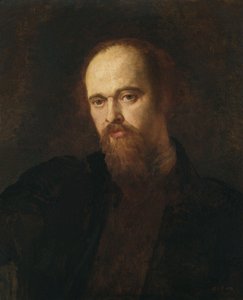
1828 - 1882 , Didžioji Britanija

Dive into the moody, high-impact world of Pre-Raphaelite Romanticism. Explore the vivid details, symbolic depth, and dramatic narratives of Victorian masters through an expert lens of art history and aesthetic beauty.


Sekite naujausias meno naujienas, išskirtinius pasiūlymus ir dekoravimo idėjas.
Pasakokite mums apie savo projektą, o mūsų meno ekspertai parengs jums 3 asmeniškus meno pasiūlymus.
Leiskite mums parinkti 3 variantus būtent jums – nemokamai!


 Peržiūrėti realybėje
 Pasidalinti
 Dalintis
 Išsamiau

 Atsisiųsti
 Panašūs eksponatai
 Rentgeno nuotrauka
 Automatinė diorama

 Skaityti daugiau







 Stiklo variantas prieinamas tik pasirinkus dydį iki 110 cm


