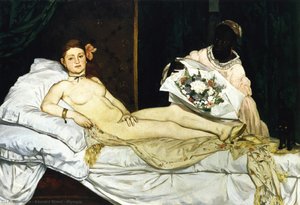
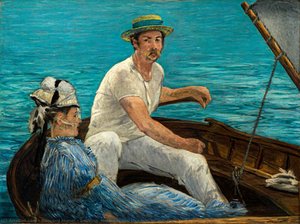
Muziejų lygio „giclée“ arba drobos spausdinimas: greita gamyba ir lankstios apdailos parinktys. ( Perejti prie rankinio darbo paveikslėlio Perjungti į vaizdą)





























Pasirinkite iš mūsų nustatytų dydžių, atitinkančių originalaus meno kūrinio proporcijas.

Galite nurodyti savo matmenis, kad vaizdas atitiktų konkretų rėmą ar erdvę. Jei pasirinktas dydis nesutaps su originalaus paveikslėlio proporcijomis, mes arba apkirpsime kūrinį, arba išplėsime vaizdą naudojant veideliu atspindėtą arba vientisą šoną. Skaitmeninis maketas bus išsiųstas jums patvirtinti prieš pradedant gamybą.
Atkreipkite dėmesį, kad ekrane matomas vaizdinys neatspindi tikrojo apkirpimo ar išplėtimo. Tik maketas tiksliai parodytų galutinę kompoziciją.
Nors galima rinktis ir individualius dydžius, rekomenduojame pasirinkti vieną iš išanksti nustatytų matmenų, kad būtų išlaikytos originalios proporcijos.
Pristatymas visame pasaulyje () per 2 weeks, o ne įprastas 4/5 savaičių laikotarpis. (6 rugpjūtis)


Au Prado
Reprodukcijos matmenys
Édouard Manet’s “Au Prado,” completed around 1863 and reworked circa 1867, stands as a deceptively simple yet profoundly significant etching that encapsulates the spirit of Impressionism's nascent stages. More than just a depiction of a Parisian street scene—a commonplace subject for artists of the time—it’s a carefully constructed tableau designed to provoke contemplation about modernity and artistic innovation.
The image portrays a group of figures gathered in front of the Prado Museum, capturing a moment of leisure amidst the bustle of urban life. Manet eschewed academic conventions, prioritizing observation over idealized representation. He meticulously rendered the textures of clothing—the voluminous skirts of women—and the subtle interplay of light and shadow on surfaces, mirroring techniques honed by masters like Caravaggio and Velázquez.
A woman dominates the composition, holding an umbrella aloft as if shielding herself from impending rain. This gesture isn’t merely functional; it symbolizes vulnerability and perhaps a hint of melancholy – emotions Manet skillfully conveyed through subtle facial expressions and posture. The inclusion of two dogs adds to the scene's realism and contributes to its overall mood.
As evidenced by extensive research (links provided), “Au Prado” has garnered considerable attention from art historians and collectors alike. Its enduring appeal lies in Manet’s masterful execution and his willingness to challenge established artistic norms, cementing its place as a cornerstone of Impressionist art history. Reproductions offer an opportunity to appreciate this iconic artwork's beauty and complexity within the comfort of your own home.
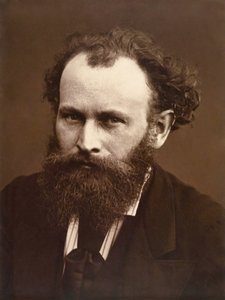
1832 - 1883 , Prancūzija
Atraskite 25 įspūdingiausius Édouard Manet šedevrus! Sužinokite apie impresionizmą, realizmą ir prancūzų meno istoriją. Meno reprodukcijos aukščiausia kokybe interjero dekorui – BuyPopArt.com
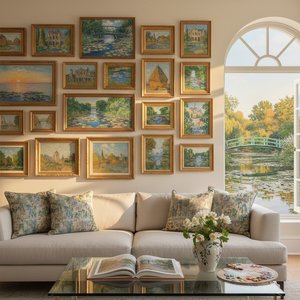
Atraskite 25 įspūdingiausius Claude Monet šedevrus! Sužinokite apie impresionizmą, vandens lelijų paveikslus ir spalvų magiją. Meno reprodukcijos aukščiausia kokybe – BuyPopArt.com. Išsamesnės informacijos rasite internetu.
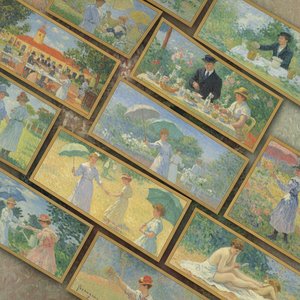
Atraskite 25 Pierre'Auguste Renoir šedevrus! Impresionizmo meistro paveikslai, kupini šviesos ir grožio. Meno istorija, technikos paslaptys ir įkvėpimas jūsų interjerui. Aukštos kokybės reprodukcijos – BuyPopArt.com
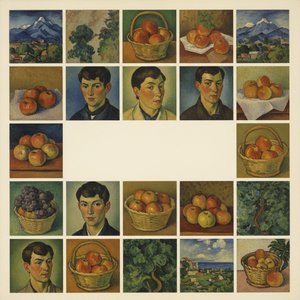
Atraskite 25 Paul Cézanno šedevrus! Išsami analizė, istorijos ir įkvėpimas interjero dekorui. Modernus menas, impresionizmas, natiurmortai – viskas BuyPopArt.com. Explore the full collection online!

Journey through Impressionistic Realism with 10 iconic masterpieces by Monet, Renoir & Van Gogh. Explore art history, techniques & find museum-quality reproductions for your home at BuyPopArt.com. Discover all masterpieces online!


Sekite naujausias meno naujienas, išskirtinius pasiūlymus ir dekoravimo idėjas.
Pasakokite mums apie savo projektą, o mūsų meno ekspertai parengs jums 3 asmeniškus meno pasiūlymus.
Leiskite mums parinkti 3 variantus būtent jums – nemokamai!


 Peržiūrėti realybėje
 Pasidalinti
 Dalintis
 Išsamiau

 Atsisiųsti
 Panašūs eksponatai
 Rentgeno nuotrauka
 Automatinė diorama

 Skaityti daugiau







 Stiklo variantas prieinamas tik pasirinkus dydį iki 110 cm