

Muziejų lygio „giclée“ arba drobos spausdinimas: greita gamyba ir lankstios apdailos parinktys. ( Pirkti rankomis tapytą paveikslą Pirkti vaizdą)





























Pasirinkite iš mūsų nustatytų dydžių, atitinkančių originalaus meno kūrinio proporcijas.

Galite nurodyti savo matmenis, kad vaizdas atitiktų konkretų rėmą ar erdvę. Jei pasirinktas dydis nesutaps su originalaus paveikslėlio proporcijomis, mes arba apkirpsime kūrinį, arba išplėsime vaizdą naudojant veideliu atspindėtą arba vientisą šoną. Skaitmeninis maketas bus išsiųstas jums patvirtinti prieš pradedant gamybą.
Atkreipkite dėmesį, kad ekrane matomas vaizdinys neatspindi tikrojo apkirpimo ar išplėtimo. Tik maketas tiksliai parodytų galutinę kompoziciją.
Nors galima rinktis ir individualius dydžius, rekomenduojame pasirinkti vieną iš išanksti nustatytų matmenų, kad būtų išlaikytos originalios proporcijos.
Pristatymas visame pasaulyje () per 2 weeks, o ne įprastas 4/5 savaičių laikotarpis. (23 rugpjūtis)


Philippe IV
Reprodukcijos matmenys
Édouard Manet's *Philippe IV*, completed in 1862, stands as a testament to the artist’s unwavering commitment to capturing the essence of his era – a pivotal moment in French art history where Realism wrestled with Impressionism. This monochrome engraving isn’t merely a depiction of King Philippe IV; it’s an exploration of power, loyalty, and the subtle nuances of royal portraiture, skillfully executed through meticulous linework and tonal shading.
Beyond its formal qualities, *Philippe IV* is laden with symbolic significance. The inclusion of a dog beside the king represents loyalty and steadfast companionship—a visual metaphor for the monarchy’s enduring stability amidst external pressures. Furthermore, Philippe IV's attire – richly embroidered robes and jewelry – underscores his status as a ruler commanding considerable authority and wealth. Manet’s careful attention to detail elevates the engraving beyond mere representation; it communicates complex ideas about leadership and tradition.
The engraving process itself is remarkable. Zinc plates were meticulously etched with burin tools, creating a matrix that would receive ink—typically consisting of varnish and pigment—before being pressed onto paper to produce multiple impressions. This technique demanded precision and patience, reflecting the artist’s dedication to achieving unparalleled realism. The resulting image possesses a tactile quality reminiscent of oil paint, achieved through layering and tonal variations within the landscape.
Today, high-quality reproductions of *Philippe IV* allow art enthusiasts worldwide to appreciate Manet’s masterful artistry. BuyPopArt offers exceptional prints that faithfully capture the engraving's subtle textures and tonal harmonies—bringing a piece of French history into your home or studio. Explore our collection and discover the beauty of this iconic artwork.
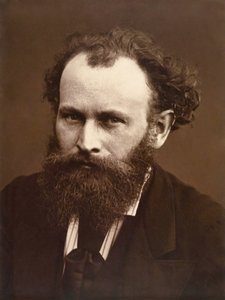
1832 - 1883 , Prancūzija
Discover the sharp, high-impact world of engraving art. Our expert guide explores intaglio techniques, the mastery of the burin, and how collectors can appreciate the precision and enduring legacy of this profound graphic art form.


Sekite naujausias meno naujienas, išskirtinius pasiūlymus ir dekoravimo idėjas.
Pasakokite mums apie savo projektą, o mūsų meno ekspertai parengs jums 3 asmeniškus meno pasiūlymus.
Leiskite mums parinkti 3 variantus būtent jums – nemokamai!


 Peržiūrėti realybėje
 Pasidalinti
 Dalintis
 Išsamiau

 Atsisiųsti
 Panašūs eksponatai
 Rentgeno nuotrauka
 Automatinė diorama
 Skaityti daugiau







 Stiklo variantas prieinamas tik pasirinkus dydį iki 110 cm


