Akrilas ant drobėsSieninis menasImpressionism
 1867
1867 73.0 x 91.0 cm
 Metropolitano muziejus
Muziejų lygio „giclée“ arba drobos spausdinimas: greita gamyba ir lankstios apdailos parinktys. ( Switch to hand made Painting Switch to Image)
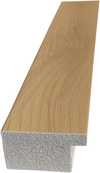
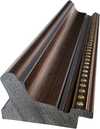
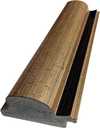
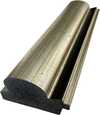
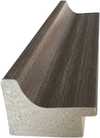
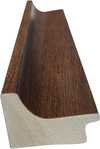
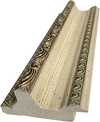
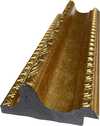
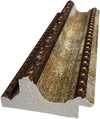
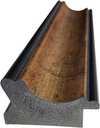
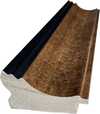
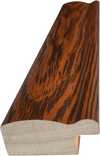
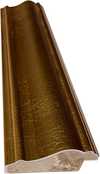
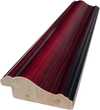
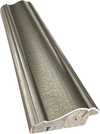
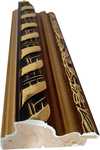
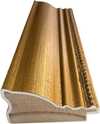
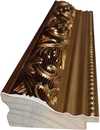
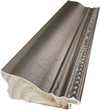
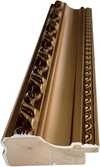
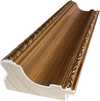
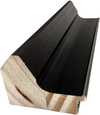
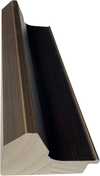
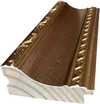
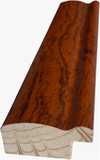
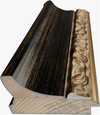
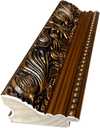
Pasirinkite iš mūsų nustatytų dydžių, atitinkančių originalaus meno kūrinio proporcijas.

Galite nurodyti savo matmenis, kad vaizdas atitiktų konkretų rėmą ar erdvę. Jei pasirinktas dydis nesutaps su originalaus paveikslėlio proporcijomis, mes arba apkirpsime kūrinį, arba išplėsime vaizdą naudojant veideliu atspindėtą arba vientisą šoną. Skaitmeninis maketas bus išsiųstas jums patvirtinti prieš pradedant gamybą.
Atkreipkite dėmesį, kad ekrane matomas vaizdinys neatspindi tikrojo apkirpimo ar išplėtimo. Tik maketas tiksliai parodytų galutinę kompoziciją.
Nors galima rinktis ir individualius dydžius, rekomenduojame pasirinkti vieną iš išanksti nustatytų matmenų, kad būtų išlaikytos originalios proporcijos.
Pristatymas visame pasaulyje () per 2 weeks, o ne įprastas 4/5 savaičių laikotarpis. (30 liepa)


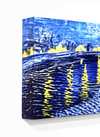
The Funeral
Reprodukcijos matmenys
Édouard Manet’s “The Funeral,” completed in 1867, stands as a poignant emblem of the burgeoning Impressionist movement and its rejection of academic conventions. More than just a depiction of a somber occasion—the funeral of writer Charles Baudelaire—it's an ambitious exploration of space, light, and emotion that cemented Manet’s position as one of the pioneers of modern art.
Beyond its immediate subject, “The Funeral” is rich in symbolic references. The elevated cityscape—featuring landmarks such as Notre Dame Cathedral, the Panthéon, and the Observatoire de Paris—represents intellectual and spiritual grandeur juxtaposed against the earthly reality of grief. Notably, Manet deliberately brought the domes of the Observatoire and Notre Dame closer together, a compositional decision that subtly elevates the visual importance of faith and contemplation.
"The Funeral" was conceived as a memorial to Baudelaire, whose death profoundly affected Manet’s artistic sensibilities. The painting reflects the anxieties and uncertainties of the era—the decline of aristocratic values, the rise of materialism, and the questioning of established norms.
A reproduction of “The Funeral” offers an exceptional opportunity to experience Manet's groundbreaking vision—a testament to his ability to transform a simple funeral procession into a profound meditation on life, death, and the passage of time.
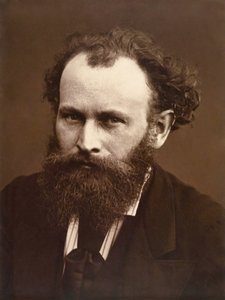
1832 - 1883 , Prancūzija
Atraskite 25 įspūdingiausius Édouard Manet šedevrus! Sužinokite apie impresionizmą, realizmą ir prancūzų meno istoriją. Meno reprodukcijos aukščiausia kokybe interjero dekorui – BuyPopArt.com
Atraskite 10 impresionizmo šedevrų, kurie pakeitė meno pasaulį! Monet, Renoir ir kiti meistrai – jų kūriniai, istorijos bei spalvų magija. Puikios dailės reprodukcijos jūsų namams. Išskirtinis dizainas BuyPopArt.com!

Explore the life & art of Édouard Manet, a pivotal figure bridging Realism and Impressionism. Discover his revolutionary techniques, controversial masterpieces like 'Olympia,' and lasting impact on modern art history.

Journey through Impressionism's heart with 10 iconic paintings by Monet, Renoir & Degas. Explore light, color & the stories behind these masterpieces. Find museum-quality art reproductions and elevate your home decor on BuyPopArt.com.

Explore the captivating world of Impressionism! Discover its history, key artists like Monet & Renoir, defining techniques, and lasting impact on modern art. Expert insights for collectors.


Sekite naujausias meno naujienas, išskirtinius pasiūlymus ir dekoravimo idėjas.
Pasakokite mums apie savo projektą, o mūsų meno ekspertai parengs jums 3 asmeniškus meno pasiūlymus.
Leiskite mums parinkti 3 variantus būtent jums – nemokamai!


 Preview
 Pasidalinti
 Dalintis
 Išsamiau

 Atsisiųsti
 Panašūs eksponatai
 Rentgeno nuotrauka
 Automatinė diorama
 Skaityti daugiau
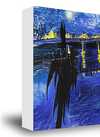
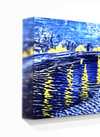
 Stiklo variantas prieinamas tik pasirinkus dydį iki 110 cm