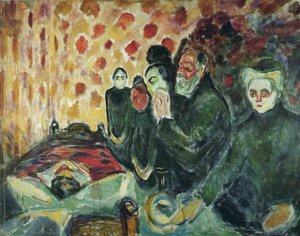
Rankiniu būdu tapytas aliejus ant droblio jūsų pageidaujamame dydį ir rėmuose – mūsų menininkų darbas pagal užsakymą. ( Perejti prie spausdinimo Perjungti į vaizdą)





























Pasirinkite iš mūsų nustatytų dydžių, atitinkančių originalaus meno kūrinio proporcijas.

Galite įvesti savo matmenis, kad jie atitiktų konkretų rėmą ar erdvę. Jei pasirinktas dydis neatitinka originalaus paveikslėlio proporcijų, mes arba apkropsime meno kūrinį, arba papildysime tapybą rankomis dažytい elementais. Prieš pradėdami gamybą, jūsų patvirtinimui atsiųsime skaitmeninį maketą.
Atkreipkite dėmesį, kad ekrane rodomas vaizdas neatspindi tikrojo apkarpymo ar papildymo. Tik maketas tiksliai parodys galutinę kompoziciją.
Nors galima rinktis ir individualius dydžius, rekomenduojame pasirinkti matmenis iš nustatytos sąrašo, kad būtų išlaikytos originalios proporcijos.
Pristatymas visame pasaulyje () per 3–4 savaites, o ne įprastai – per 5 savaites. (11 rugpjūtis). Kokybė lieka nepakeičiama.


ardstrand
Reprodukcijos matmenys
Edvard Munch's “Ardstrand,” painted circa 1893, isn’t merely a depiction of a snowy landscape; it’s an embodiment of existential angst rendered in the luminous hues of Expressionism. Captured during Munch’s formative years as a painter—a period profoundly shaped by personal tragedy and intellectual ferment—the canvas presents a deceptively tranquil scene: two figures traversing a snow-covered beach, dwarfed by towering pines and illuminated by the diffused glow of twilight.
Symbolism & Emotional Impact: Munch’s masterful use of color isn't accidental; it serves to amplify the emotional core of the artwork. The dominant blues evoke feelings of melancholy and solitude, mirroring Munch’s own inner turmoil. The scarlet coat worn by one figure symbolizes passion and perhaps a desperate attempt to ward off despair. More subtly, the birds circling overhead represent fleeting beauty—a poignant reminder of life's impermanence against which human existence feels insignificant.
“Ardstrand” transcends its visual representation to communicate a profound psychological state. It’s a painting that invites contemplation on themes of loss, fear, and the inescapable awareness of mortality – emotions Munch himself wrestled with throughout his life. The artwork's enduring power lies in its ability to resonate with viewers across generations, capturing the essence of human experience at its most vulnerable.
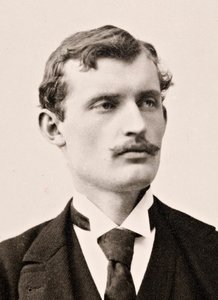
1863 - 1944 , Švedija
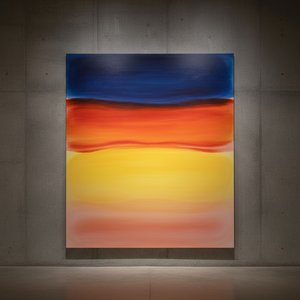
Explore the profound emotional depth of Mark Rothko's abstract expressionism. Discover the history, techniques & lasting impact of this pivotal Color Field painter. Expert insights for collectors and art enthusiasts.

Explore 10 famous snow paintings by Monet, Degas & more! Discover the stories behind these serene winter landscapes and iconic artworks. Find museum-quality art reproductions for your home at BuyPopArt.com.

Explore the evolution of cityscape painting from Realism to contemporary art with BuyPopArt. Discover key artists & invest in timeless urban visions. Expert guidance, museum-quality reproductions.
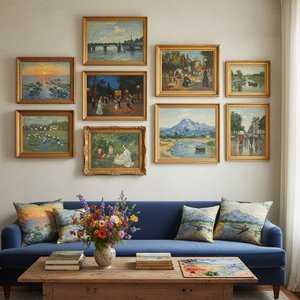
Journey into the heart of Impressionism! Explore 10 masterpieces by Monet, Renoir & Degas that revolutionized landscape art. Discover their stories, techniques & find museum-quality reproductions to elevate your home decor on BuyPopArt.com.

Explore the captivating history of pastoral art, from classical Arcadia to 19th-century masterpieces. Discover key artists like Millet & Cole and find serene landscape paintings for your home at BuyPopArt.


Sekite naujausias meno naujienas, išskirtinius pasiūlymus ir dekoravimo idėjas.
Pasakokite mums apie savo projektą, o mūsų meno ekspertai parengs jums 3 asmeniškus meno pasiūlymus.
Leiskite mums parinkti 3 variantus būtent jums – nemokamai!


 Peržiūrėti realybėje
 Pasidalinti
 Dalintis
 Išsamiau

 Atsisiųsti
 Panašūs eksponatai
 Rentgeno nuotrauka
 Automatinė diorama
 Skaityti daugiau







 Stiklo variantas prieinamas tik pasirinkus dydį iki 110 cm