

 Acrylic On CanvasWallArtSymbolist Expressionism
 1913
1913 Städelsche Kunstinstitut Und Städtische Galerie
Įsigykite aukštos skiriamosios raiškos, patobulintą skaitmeninį vaizdą, gerokai pranašesnį už internetinę peržiūrą.
Kiekvieną failą mūsų specialistai kruopščiai paruošia naudojant pažangias technologijas ir profesionalų rankinį retušavimą. Užtikriname, kad kiekvienas vaizdas pasižymėtų išskirtiniu aiškumu, tikslia spalvų atspalviu ir smulkiomis detalėmis.
Baigiamas failas el. paštu pristatomas per 72 valandas; jis optimizuotas nedelsiant naudojimui profesionalioje, redakcinėje ir spausdinimo aplinkoje. Tai ta pati kokybė, kuria pasitiki aukščiausios klasės dizaino studijos, leidyklos ir galerijos.
Atsisiųskite didelės raiškos failą asmeniniam naudojimui, spausdinimui ir kūrybiniams projektams. ( Pirkti spaudinį Pirkti rankomis tapytą paveikslą)
Pasirinkę BuyPopArt.com, jūs ne tik gaunate paveikslėlį – jūs gaunate profesionaliai patobudintą skaitmeninį kūrinį, sukurtą itin tikniai ir užtikrinantį pasitenkinimą. Štai viską, kas automatiškai pritékia jūsų užsakymui:

Jūsų aukštos raiškos skaitmeninis vaizdo failas bus išsiųstas jums el. paštu per 72 valaudas nuo užsakymo – paruoštas naudojimui be jokių papildomų veiksmų.

Jūsų meno kūrinys profesionaliai optimizuojamas naudojant pažangius dirbtinio intelekto įrankius ir rankinį redagavimą, užtikrinant maksimalią detalę, aiškumą ir spalvų tikslumą.

Atsitiktinai ištrytikote ar praradote savo failą? Nebijokite – bet kuriuo metu atsiųsime jį jums vėl nemokamai.

Mėgaukitės savo meno kūriniu akimirka – skaitiniai failai visada yra neapmokestinami, todėl nereikės mokėti muitinės, mokesčių ar pristatymo mokesčių.

Naudodami profesionalią įrangą ir spalvų valdymo sistemas, užtikriname, kad jūsų skaitmeninis vaizdas kuo tiksliau atspindėtų originalias spalvas.

Jei nebuvate patenkinti savo skaitinio vaizdo, per 60 dienų jį pertaisysime arba grąkinsime 100% sumą – be jokių klausimų.

Nepat 만족inti? Gaukite visą sumokėtą sumą per 60 dienų nuo skaitmeninio failo gavimo – be jokių papildomų klausimų.

Pirkti 3 nuotraukas – pasiūla 10% - Pirkti 5 – pasiūla 15% - Pirkti 10 ir daugiau – pasiūla 20%. Puikiai tinka kūrybiniams projektams, galerijoms bei agentūroms.
Edvard Munch's "Jealousy," painted in 1913, isn’t merely a depiction of three figures; it’s a visceral embodiment of psychological torment. The painting immediately arrests the viewer with its muted palette – predominantly deep blues and greens punctuated by the stark white of the shirts – creating an atmosphere thick with unspoken tension and simmering resentment. The composition itself is deliberately unsettling: the central figure, positioned slightly off-center, turns his head away, a subtle gesture that speaks volumes about withdrawal and perhaps even betrayal. His posture, coupled with the averted gazes of those flanking him, suggests a complex web of relationships fraught with suspicion and unacknowledged hurt. The dimly lit room, devoid of any comforting details beyond the two chairs, amplifies this sense of isolation and claustrophobia – as if the figures are trapped within their own anxieties.
“Jealousy” is a prime example of Munch's pioneering work within the Expressionist movement. Rejecting the objective representation favored by earlier artistic traditions, Munch sought to externalize his own intensely personal emotions and psychological states. He achieved this through a radical manipulation of color, form, and line. Notice how the figures aren’t rendered with meticulous detail; instead, they are simplified into almost skeletal forms, emphasizing their vulnerability and highlighting the raw emotion beneath the surface. The brushstrokes themselves are agitated and visible, mirroring the turbulent feelings depicted within the scene. Munch employed a technique he called “soul painting,” aiming to directly convey his inner experience rather than simply portraying an external reality. This approach was revolutionary at the time, paving the way for future generations of artists to explore the depths of human consciousness.
The painting’s symbolism is deeply intertwined with Munch's own life experiences. Born in 1863 amidst a landscape scarred by illness and premature death, Munch carried an enduring awareness of mortality and suffering. His mother and sister succumbed to tuberculosis during his childhood, events that profoundly shaped his artistic vision. The theme of jealousy itself resonates powerfully within this context – it’s not simply a fleeting emotion but a corrosive force capable of destroying relationships and shattering the human spirit. The ties worn by the figures are significant; they represent social constraints and expectations, perhaps contributing to the underlying tension. Some art historians have suggested that the painting reflects Munch's own fraught relationship with his father, a stern and emotionally distant figure who instilled in him a deep-seated sense of unease.
BuyPopArt.com’s hand-painted reproductions strive to capture the essence of “Jealousy” with meticulous attention to detail, mirroring Munch's original techniques. We employ a team of highly skilled artists who painstakingly recreate his distinctive brushwork and color palette using traditional oil painting methods. The result is a reproduction that not only faithfully reproduces the visual elements of the artwork but also conveys its profound emotional impact. The subtle gradations of color, the textured surface, and the carefully rendered expressions all contribute to an experience that feels remarkably authentic. Whether displayed in a private collection or incorporated into a larger interior design scheme, this reproduction offers a powerful connection to one of the most significant works of the Expressionist era – a poignant reminder of the enduring power of human emotion and the complexities of the human heart.
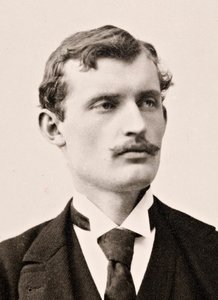
1863 - 1944 , Švedija


Sekite naujausias meno naujienas, išskirtinius pasiūlymus ir dekoravimo idėjas.
Pasakokite mums apie savo projektą, o mūsų meno ekspertai parengs jums 3 asmeniškus meno pasiūlymus.
Leiskite mums parinkti 3 variantus būtent jums – nemokamai!


 Peržiūrėti realybėje
 Pasidalinti
 Dalintis
 Išsamiau

 Atsisiųsti
 Panašūs eksponatai
 Rentgeno nuotrauka
 Automatinė diorama
 Skaityti daugiau